
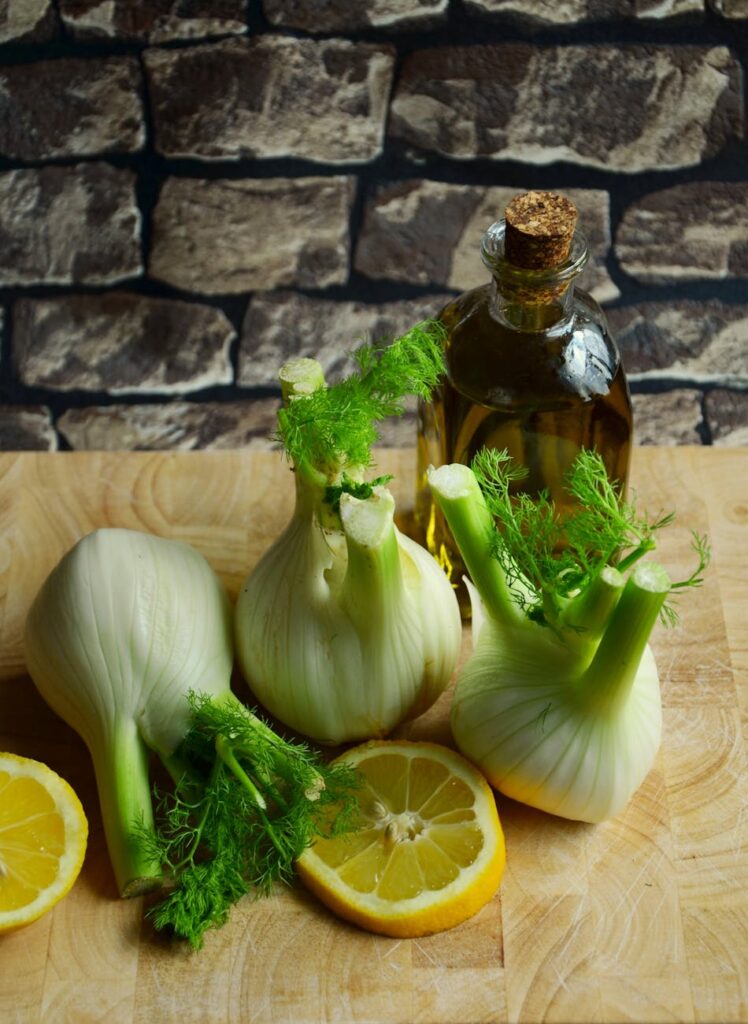
Is Fennel Oil Safe? Uses, Benefits, and Precautions
Introduction
Fennel oil, derived from the seeds of the fennel plant (Foeniculum vulgare), has been utilized for centuries in various cultures for its culinary and therapeutic properties. As interest in natural remedies and holistic wellness continues to grow, fennel oil has gained popularity in aromatherapy and personal care products. This article explores the characteristics of fennel oil, its benefits and uses, safety considerations, and how to properly store it.
What Is Fennel Oil?
Fennel oil is an essential oil extracted from the seeds of the fennel plant, which is a member of the Apiaceae family. The extraction process typically involves steam distillation, which captures the aromatic compounds while retaining their beneficial properties. Fennel oil is known for its sweet, licorice-like scent, making it a favored ingredient in perfumes, aromatherapy blends, and culinary applications.
Composition of Fennel Oil
Fennel oil contains various active compounds, including:
- Anethole: The primary constituent responsible for its characteristic aroma and flavor.
- Fenchone: Contributes to the oil’s therapeutic properties.
- Estragole: Known for its potential antioxidant properties.
- Diffusion: Add a few drops of fennel oil to a diffuser to fill the space with its calming aroma.
- Massage: Diluting fennel oil with a carrier oil (such as coconut or jojoba oil) before applying it to the skin can enhance relaxation during a massage.
- Bath Soak: Adding fennel oil to a warm bath can provide a soothing experience, promoting both relaxation and skin hydration.
These compounds work synergistically to provide the oil with its unique benefits and applications.
Key Benefits and Properties
Fennel oil possesses several properties that contribute to its popularity:
1. Antioxidant Activity
Fennel oil has been shown to exhibit antioxidant properties, which help combat oxidative stress in the body. Antioxidants can neutralize free radicals, potentially lowering the risk of chronic diseases.
2. Antimicrobial Properties
Research indicates that fennel oil may have antimicrobial effects, making it a potential candidate for use in natural cleaning products and food preservation.
3. Digestive Support
Traditionally, fennel oil has been used to support digestive health. It is believed to help alleviate symptoms such as bloating and gas, although more scientific research is needed in this area.
4. Hormonal Balance
Some studies suggest that fennel oil may have phytoestrogenic properties, which could support hormonal balance in women. This has made it popular in formulations aimed at women’s health.
5. Mood Enhancement
The sweet, calming scent of fennel oil is often used in aromatherapy to promote relaxation and reduce stress, contributing to emotional well-being.
Common Uses
Fennel oil has a wide range of applications, including:
1. Culinary Uses
Fennel oil can be used as a flavoring agent in cooking. It should be used sparingly, as its potent flavor can easily overwhelm dishes.
2. Personal Care Products
Fennel oil is commonly found in cosmetics and personal care products due to its pleasant aroma and potential skin benefits. It may be used in soaps, lotions, and perfumes.
3. Natural Cleaners
Thanks to its antimicrobial properties, fennel oil can be incorporated into homemade cleaning products, providing a natural alternative to chemical-laden cleaners.
4. Aromatherapy
Fennel oil is frequently used in diffusers and massage oils to promote relaxation and well-being. Its calming scent can enhance meditation and mindfulness practices.
Aromatherapy Applications
In aromatherapy, fennel oil is often used to create blends aimed at promoting emotional balance and relaxation. Here are some ways it can be applied:
Safety Considerations
While fennel oil is generally considered safe for use, certain precautions should be observed:
1. Skin Sensitivity
Fennel oil is potent and may cause skin irritation in some individuals. It is advisable to perform a patch test before applying it to larger areas of the skin. Diluting fennel oil with a carrier oil can also minimize the risk of irritation.
2. Pregnancy and Nursing
Due to its potential hormonal effects, pregnant and nursing women should consult with a healthcare professional before using fennel oil.
3. Allergies
Individuals with allergies to plants in the Apiaceae family (e.g., carrots, celery, and coriander) may experience allergic reactions to fennel oil.
4. Children
Fennel oil should be used with caution around children. It is recommended to consult with a healthcare professional before using it with young ones.
5. Interaction with Medications
Fennel oil may interact with certain medications, particularly those that affect hormone levels. Always consult a healthcare professional if you are taking medication.
Storage and Shelf Life
To maintain the quality and efficacy of fennel oil, proper storage is essential:
1. Container
Fennel oil should be stored in a dark glass bottle to protect it from light, which can degrade its quality.
2. Temperature
Keep fennel oil in a cool, dry place away from direct sunlight and heat sources. Excessive heat can alter its chemical composition.
3. Shelf Life
When stored correctly, fennel oil typically has a shelf life of 2 to 3 years. However, always check for any changes in aroma or appearance before use, as these may indicate that the oil has gone rancid.
Frequently Asked Questions
1. Can fennel oil be ingested?
While fennel oil is used in cooking, it should be ingested with caution and in very small amounts. It is advisable to consult with a healthcare professional before consuming essential oils.
2. How can I use fennel oil for digestive issues?
Fennel oil can be diluted and applied to the abdomen in a circular motion, or it can be added to a carrier oil for use in massage. However, individual experiences may vary, and it’s essential to observe how your body reacts.
3. Is fennel oil safe for pets?
Fennel oil should be used with caution around pets, as some essential oils can be toxic to animals. It’s best to consult a veterinarian before using any essential oil in a household with pets.
4. How do I know if fennel oil is pure?
To ensure the quality of fennel oil, look for products that are labeled as 100% pure essential oil. It’s advisable to purchase from reputable suppliers who provide information about the oil’s sourcing and testing.
5. Can fennel oil help with weight loss?
While fennel oil is sometimes promoted for weight loss due to its potential digestive benefits, it should not be viewed as a standalone solution. A balanced diet and regular exercise are essential for effective weight management.
Conclusion
Fennel oil is a versatile essential oil known for its pleasant aroma and various applications in culinary, personal care, and aromatherapy practices. While it offers numerous benefits, including potential antioxidant and antimicrobial properties, it is essential to observe safety precautions, especially for sensitive groups. By understanding its uses, benefits, and safety considerations, individuals can make informed decisions about incorporating fennel oil into their wellness routines. Always consult with a healthcare professional for personalized guidance regarding essential oil use.