
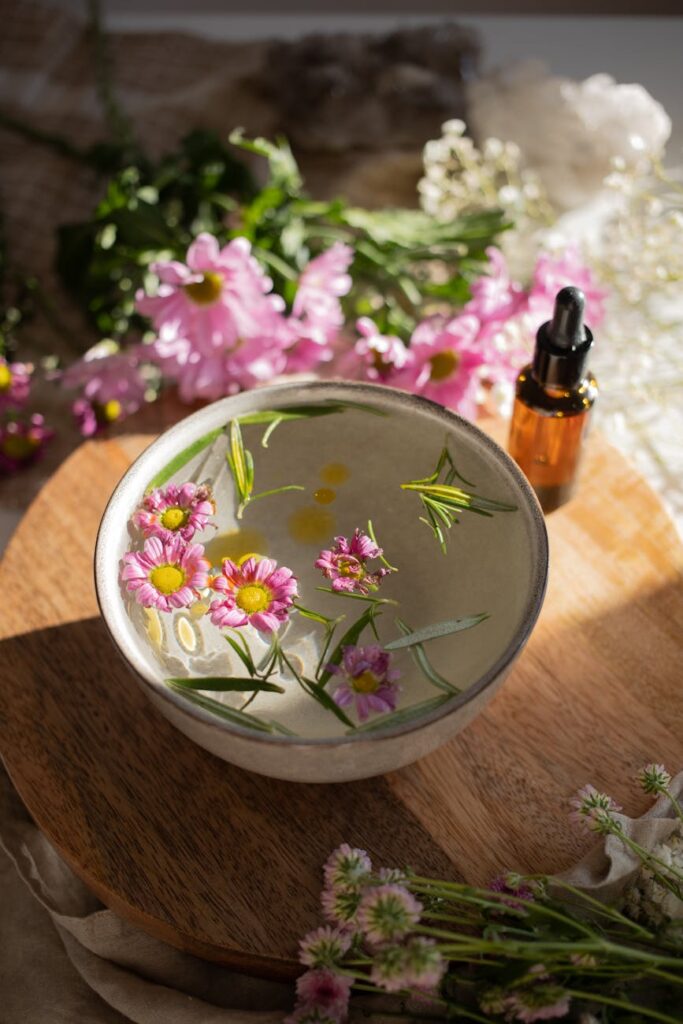
Is Floral Hydrosols for Aging Support Safe? Uses, Benefits and Precautions
Introduction
Floral hydrosols, often referred to as flower waters, are aromatic waters produced during the steam distillation process of essential oils. These gentle, fragrant by-products retain many of the beneficial properties of the parent plant while being milder and more versatile. As the world increasingly turns to natural remedies for wellness, floral hydrosols have gained attention for their potential support in addressing the signs of aging. This article explores the nature of floral hydrosols, their benefits, common uses, applications in aromatherapy, safety considerations, storage, and answers to frequently asked questions.
What Is Floral Hydrosols for Aging Support?
Floral hydrosols are aqueous solutions containing the water-soluble components of essential oils, along with trace amounts of essential oil itself. They are typically produced from flowers such as rose, lavender, chamomile, and geranium, among others. The unique composition of hydrosols allows them to offer a variety of therapeutic properties while being generally safe for topical use and ingestion in small amounts.
When it comes to aging support, floral hydrosols can be particularly beneficial due to their hydrating, anti-inflammatory, and antioxidant properties. They can be incorporated into skincare routines, used in various beauty products, or enjoyed in aromatherapy practices to promote overall well-being.
Key Benefits and Properties
Floral hydrosols possess a range of beneficial properties that can support aging skin and overall health:
1. Moisturization: Hydrosols can help maintain skin hydration, which is crucial as the skin tends to lose moisture with age. They can be used as a refreshing facial mist or added to creams and lotions.
2. Anti-inflammatory: Many floral hydrosols, such as chamomile and lavender, have anti-inflammatory properties that can soothe irritated skin and reduce redness.
3. Antioxidant Effects: Certain hydrosols contain antioxidants that help combat oxidative stress, a significant factor in the aging process.
4. Soothing Properties: Hydrosols can calm the skin and mind, making them a popular choice for relaxation and stress relief.
5. Balancing: Some floral hydrosols, like rose and geranium, are known for their ability to balance oil production, making them suitable for various skin types.
Common Uses
Floral hydrosols can be used in multiple ways, making them versatile additions to personal care and wellness routines. Here are some common applications:
1. Facial Mists: Hydrosols can be used as refreshing facial mists to hydrate and soothe the skin throughout the day.
2. Toners: They can serve as natural toners, helping to balance the skin’s pH after cleansing.
3. Bath Additives: Floral hydrosols can be added to bath water for a fragrant and relaxing experience.
4. Compresses: They can be used in compresses for localized relief, particularly on inflamed or sensitive areas.
5. Hair Care: Some hydrosols can benefit hair health, providing moisture and enhancing shine.
6. Room Sprays: Hydrosols can be used as natural air fresheners, creating a pleasant and calming atmosphere.
Aromatherapy Applications
In aromatherapy, floral hydrosols can be used to create a soothing environment and promote emotional balance. Here are some ways they can be applied:
1. Diffusion: While hydrosols are not typically diffused like essential oils, they can be sprayed into the air to create a fragrant ambiance.
2. Inhalation: Spritzing hydrosols in the air and inhaling the scent can promote relaxation and alleviate stress.
3. Massage Blends: When diluted appropriately, floral hydrosols can be incorporated into massage oils to enhance the sensory experience.
4. Meditation and Yoga Practices: Using floral hydrosols during meditation or yoga can enhance the overall experience, promoting calm and focus.
Safety Considerations
While floral hydrosols are generally safe for most people, certain precautions should be taken:
1. Patch Test: Before using a new hydrosol, conduct a patch test by applying a small amount to the inner wrist to check for any allergic reactions.
2. Dilution: Although hydrosols are milder than essential oils, they should still be used in moderation and can be diluted further if desired.
3. Storage: Store hydrosols in a cool, dark place to maintain their freshness and potency.
4. Consultation: If you have specific health concerns or conditions, it is advisable to consult with a qualified professional before incorporating hydrosols into your routine.
5. Pregnancy and Nursing: While many floral hydrosols are safe for use, pregnant or nursing individuals should consult with a healthcare provider before use.
Storage and Shelf Life
Proper storage of floral hydrosols is crucial for maintaining their quality. Here are some best practices:
1. Cool and Dark Environment: Store hydrosols in a cool, dark place, such as a refrigerator or a cabinet away from direct sunlight.
2. Sealed Containers: Use airtight containers to minimize exposure to air and contaminants, which can degrade the hydrosol over time.
3. Shelf Life: Generally, floral hydrosols have a shelf life of 6 months to 2 years, depending on the type and storage conditions. Always check for any changes in smell, color, or clarity before use.
Frequently Asked Questions
1. Are floral hydrosols safe for all skin types?
Floral hydrosols are generally safe for most skin types, but individuals with sensitive skin or allergies should perform a patch test prior to widespread use.
2. Can I ingest floral hydrosols?
While some floral hydrosols are safe for ingestion in small amounts, it is essential to consult with a healthcare provider before doing so.
3. How do I choose the right floral hydrosol for aging support?
Consider the specific properties of different hydrosols. For example, rose hydrosol is known for its moisturizing and balancing effects, while chamomile hydrosol is excellent for its soothing properties.
4. Can floral hydrosols replace my regular skincare products?
While floral hydrosols can enhance your skincare routine, they should not replace essential products like sunscreen or moisturizer. Instead, think of them as complementary to your existing regimen.
5. Are there any contraindications for using floral hydrosols?
Individuals with specific allergies or sensitivities should exercise caution and consult a healthcare provider if they have concerns.
Conclusion
Floral hydrosols are valuable assets in the realm of natural wellness and skincare, particularly for those seeking support in the aging process. With their hydrating, soothing, and balancing properties, these gentle botanical waters can be easily incorporated into daily routines and aromatherapy practices. However, it is essential to use them mindfully, ensuring proper storage and consideration of individual sensitivities. By understanding the benefits, uses, and safety precautions surrounding floral hydrosols, individuals can make informed choices that align with their wellness goals.