
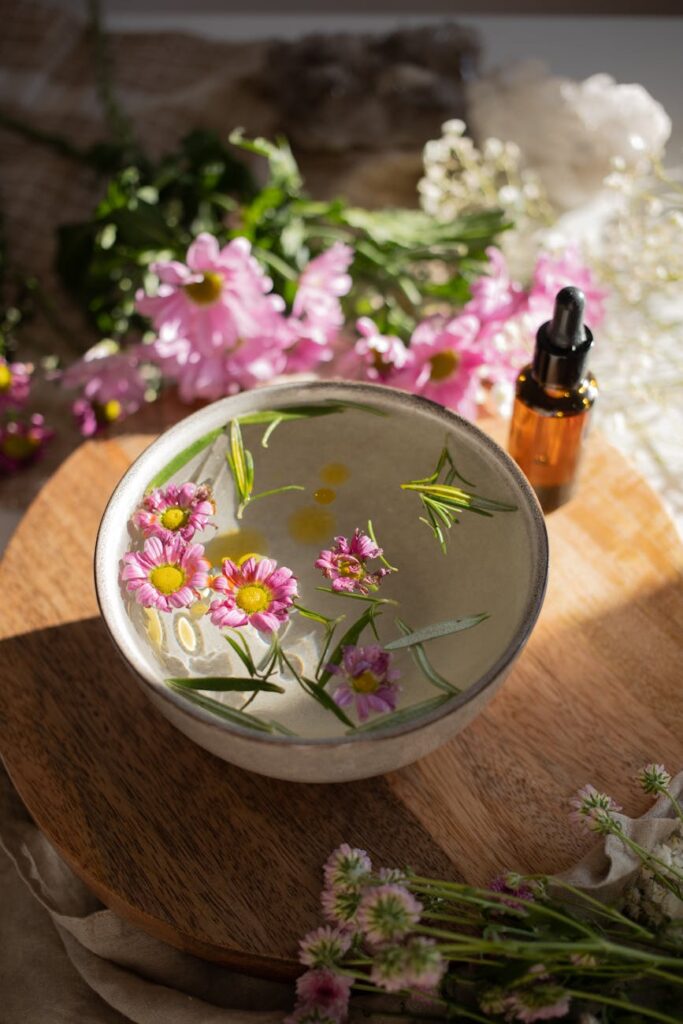
Is Floral Hydrosols for Eye Care Safe? Uses, Benefits and Precautions
Introduction
Floral hydrosols, often referred to as flower waters, are the aromatic waters produced during the distillation process of essential oils. Unlike essential oils, which are concentrated extracts from plant materials, hydrosols contain a smaller concentration of the plant’s active constituents, making them gentler and more suitable for a variety of applications, including skin and eye care. This article explores the safety, uses, and benefits of floral hydrosols for eye care, as well as important precautions to consider.
What Is Floral Hydrosols for Eye Care?
Floral hydrosols are the by-products of steam distillation where essential oils are extracted from plant material. During this process, steam passes through the plant, capturing its volatile compounds. Once cooled, the steam condenses into two layers: the essential oil, which floats on top, and the hydrosol, which remains below. Hydrosols retain some of the therapeutic properties of the plant while being gentler on the skin and mucous membranes.
For eye care, hydrosols like chamomile, rose, and lavender are particularly popular due to their soothing and anti-inflammatory properties. They are often used in skincare routines, eye compresses, or simply as refreshing mists.
Key Benefits and Properties
Anti-inflammatory Properties
Many floral hydrosols exhibit anti-inflammatory characteristics, making them suitable for soothing irritated or inflamed eyes. For instance, chamomile hydrosol is known for its calming effects, which can help alleviate redness and discomfort.
Antioxidant Effects
Floral hydrosols contain antioxidants that can help combat oxidative stress in the skin surrounding the eyes. These compounds may contribute to a healthier appearance and potentially delay signs of aging.
Hydration
Hydrosols are primarily composed of water, making them excellent for hydration. When applied around the eyes, they can provide a refreshing boost of moisture, enhancing overall skin health.
Calming Aroma
The gentle fragrance of floral hydrosols can have a calming effect on the mind. This can be particularly beneficial for those experiencing stress or tension, which can sometimes exacerbate eye discomfort.
Common Uses
Eye Compresses
Floral hydrosols can be used to create soothing eye compresses. Soaking a clean cloth or cotton pads in a diluted hydrosol solution and placing them over closed eyes can provide relief from fatigue, puffiness, and irritation.
Facial Mists
As a facial mist, floral hydrosols can be sprayed around the eye area to provide hydration and refreshment. This can be especially beneficial in dry environments or after prolonged screen time.
Skin Toner
Floral hydrosols can also serve as gentle skin toners. When applied around the eyes, they help maintain skin balance and hydration, promoting a more youthful appearance.
Makeup Remover
Certain hydrosols possess mild cleansing properties, making them suitable for removing light makeup around the eyes without irritating the delicate skin.
Aromatherapy Applications
In aromatherapy, floral hydrosols are often used for their soothing and calming effects. Inhaling the aroma of a floral hydrosol can promote relaxation and reduce stress, which may indirectly benefit eye health by alleviating tension and strain.
Diffusion
Hydrosols can be diffused in a space to create a calming environment. For instance, lavender hydrosol can fill a room with a gentle floral scent that promotes tranquility.
Bath Additive
Adding a floral hydrosol to a bath can enhance relaxation. The steam from the warm water allows the aromatic compounds to be inhaled, providing both a sensory and therapeutic experience.
Safety Considerations
While floral hydrosols are generally considered safe for topical use, especially around the eyes, there are several important precautions to keep in mind:
Patch Testing
Before using any new hydrosol, especially around the sensitive eye area, it is advisable to conduct a patch test. Apply a small amount to a less sensitive area of the skin (like the inner arm) and wait 24 hours to check for any adverse reactions.
Dilution
While floral hydrosols are milder than essential oils, some individuals may still be sensitive to concentrated forms. Diluting hydrosols with water or a carrier fluid may be advisable, particularly for individuals with sensitive skin or allergies.
Avoiding Contaminants
Ensure that all tools used to apply hydrosols are clean and sterile to prevent contamination. This is particularly important when applying hydrosols around the eyes.
Not for Ingestion
Floral hydrosols are intended for topical and aromatic use only. They should not be ingested unless specified by a qualified practitioner.
Consult a Professional
For individuals with specific eye conditions or concerns, consulting with a healthcare professional or a qualified aromatherapist is recommended before using hydrosols.
Storage and Shelf Life
To maintain the efficacy and safety of floral hydrosols, proper storage is crucial. Here are some guidelines:
Cool, Dark Environment
Store hydrosols in a cool, dark place, away from direct sunlight and heat. This helps to preserve their aromatic and therapeutic properties.
Refrigeration
For extended shelf life, consider refrigerating floral hydrosols. This can also enhance their refreshing qualities when applied.
Check for Changes
Be vigilant for any changes in color, scent, or consistency. If a hydrosol develops an off smell or appears cloudy, it is best to discard it.
Shelf Life
Typically, floral hydrosols have a shelf life of 1 to 3 years. However, this can vary based on the type of hydrosol and storage conditions. Always check the manufacturer’s recommendations for specific guidance.
Frequently Asked Questions
Can I Use Floral Hydrosols Directly on My Eyes?
It is generally recommended to avoid direct application of any product into the eyes. While floral hydrosols are milder than essential oils, they should be used cautiously around the eye area.
Are Floral Hydrosols Safe for Sensitive Skin?
Most floral hydrosols are safe for sensitive skin; however, individual reactions can vary. Always perform a patch test before widespread use.
How Do Floral Hydrosols Differ from Essential Oils?
Floral hydrosols are the water-based by-products of essential oil distillation, retaining some beneficial properties of the plant but in a much milder form, whereas essential oils are concentrated extracts.
Can I Mix Different Hydrosols?
Yes, many enthusiasts blend different hydrosols to create personalized formulations. However, it is advisable to research the properties of each hydrosol to ensure compatibility and effectiveness.
Where Can I Buy Quality Floral Hydrosols?
Quality floral hydrosols can be found at health food stores, specialty aromatherapy shops, and online retailers. Always look for products that are organic and free from additives for the best results.
Conclusion
Floral hydrosols offer a gentle and versatile option for eye care, boasting numerous benefits such as anti-inflammatory properties, hydration, and soothing aromas. While generally safe, it is essential to take precautions, including patch testing and proper storage, to maximize their effectiveness and minimize any potential adverse reactions. With a thoughtful approach, floral hydrosols can be a valuable addition to your eye care and overall wellness routine, enriching your experience with their natural beauty and therapeutic properties.