
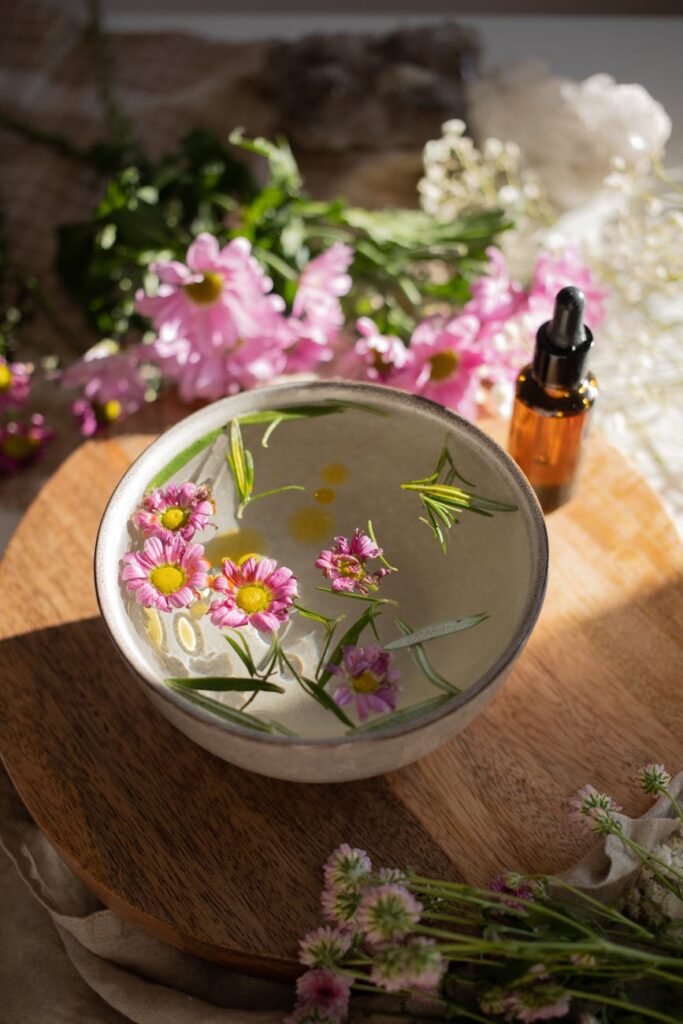
Is Floral Hydrosols for Scalp Health Safe? Uses, Benefits, and Precautions
Introduction
Floral hydrosols, also known as floral waters or hydrolats, are aromatic water by-products of the steam distillation process used to extract essential oils from plants. These gentle yet potent substances have gained popularity in various applications, from skincare to culinary uses. In recent years, their potential benefits for scalp health have piqued the interest of many.
This article explores the safety, uses, and benefits of floral hydrosols for scalp health, alongside essential precautions to consider.
What Are Floral Hydrosols for Scalp Health?
Floral hydrosols are created during the distillation of plant materials, primarily flowers, leaves, and stems. As steam passes through the plant matter, essential oils are released and condense into a liquid form. The remaining water, now infused with the plant’s properties, is what constitutes a hydrosol.
Common floral hydrosols include:
- Rose Hydrosol: Known for its soothing properties.
- Lavender Hydrosol: Renowned for its calming effects.
- Chamomile Hydrosol: Valued for its anti-inflammatory benefits.
- Hibiscus Hydrosol: Recognized for its moisturizing properties.
These hydrosols can be beneficial for scalp health due to their mild nature, making them suitable for various skin types, including sensitive skin.
Key Benefits and Properties
Floral hydrosols possess a variety of beneficial properties for scalp health, including:
1. Hydration
Hydrosols provide moisture to the scalp, which is essential for maintaining a balanced environment. A well-hydrated scalp can help prevent dryness, flakiness, and irritation.
2. Soothing Effects
Many floral hydrosols, such as lavender and chamomile, have anti-inflammatory properties that can help reduce scalp irritation and promote a sense of calm.
3. Balancing pH Levels
Floral hydrosols can help balance the scalp’s pH, which is crucial for maintaining a healthy scalp environment and preventing issues like dandruff or excessive oiliness.
4. Antimicrobial Properties
Certain hydrosols have natural antimicrobial properties, which can help combat fungal and bacterial infections on the scalp, supporting overall scalp health.
5. Stimulation of Hair Growth
While research is still limited, some anecdotal evidence suggests that certain floral hydrosols may stimulate hair growth by promoting circulation in the scalp.
Common Uses
Floral hydrosols can be incorporated into various scalp care routines and products. Here are some common applications:
1. Scalp Mist
A simple way to use floral hydrosols is as a scalp mist. Spraying the hydrosol directly onto the scalp can provide instant hydration and soothing effects.
2. Hair Rinse
Diluting floral hydrosols in water can create a refreshing hair rinse. This application can enhance shine and promote scalp health.
3. Additive to Hair Products
Floral hydrosols can be added to shampoos, conditioners, or hair masks for an extra boost of hydration and scent.
4. Scalp Massage
Incorporating floral hydrosols into a scalp massage can enhance relaxation while providing the scalp with beneficial properties.
5. Hot Oil Treatments
Mixing floral hydrosols with carrier oils can create a nourishing hot oil treatment, offering both hydration and nutrition to the scalp and hair.
Aromatherapy Applications
In addition to their physical benefits, floral hydrosols also play a role in aromatherapy. Their aromatic properties can enhance emotional well-being and mental clarity. Here are some ways to utilize floral hydrosols in aromatherapy:
1. Aromatherapy Diffusion
Although hydrosols are not as concentrated as essential oils, they can still be used in diffusers to create a calming atmosphere. Combining floral hydrosols with essential oils can enhance the aromatic experience.
2. Bath Additive
Adding floral hydrosols to bath water can provide a relaxing experience while also benefiting the scalp if the hair is submerged.
3. Meditation and Mindfulness
Using floral hydrosols in a meditation space can help create a calming environment, further enhancing the relaxation and mental clarity that comes from a well-cared-for scalp.
Safety Considerations
While floral hydrosols are generally considered safe for use, there are some important safety considerations to keep in mind:
1. Patch Testing
Before applying a floral hydrosol to the scalp, it is advisable to perform a patch test on a small area of skin to check for any allergic reactions or sensitivities.
2. Sensitivity to Ingredients
Individuals with allergies or sensitivities to specific plants should avoid hydrosols derived from those plants. For example, those allergic to chamomile should steer clear of chamomile hydrosol.
3. Storage Conditions
Floral hydrosols are susceptible to degradation if not stored properly. Keep them in a cool, dark place and away from direct sunlight to maintain their efficacy.
4. Avoiding Contamination
Ensure that containers and tools used to apply hydrosols are clean to prevent contamination, which can lead to spoilage or skin irritation.
Storage and Shelf Life
Proper storage is crucial for maintaining the quality of floral hydrosols. Here are some guidelines:
1. Storage Conditions
Store floral hydrosols in dark glass bottles to protect them from light. A cool, dry place is ideal, and refrigeration can further extend shelf life.
2. Shelf Life
Most floral hydrosols have a shelf life of 6 months to 2 years, depending on the plant material and storage conditions. Always check for changes in color, scent, or consistency before use.
3. Labeling
It’s advisable to label bottles with the date of purchase and the type of hydrosol for easy identification and tracking of shelf life.
Frequently Asked Questions
1. Can floral hydrosols replace shampoo?
While floral hydrosols can enhance scalp health, they are not substitutes for shampoo. They can be used alongside traditional hair care products for added benefits.
2. Are floral hydrosols safe for children and pets?
Most floral hydrosols are considered safe for children and pets; however, it is essential to consult a healthcare provider or veterinarian if unsure.
3. Can I use floral hydrosols every day?
Daily use can be beneficial, but it is essential to monitor how your scalp responds and adjust usage accordingly.
4. How do I choose the right floral hydrosol for my scalp?
Consider your specific scalp needs (e.g., sensitivity, dryness, or oiliness) and select a hydrosol that addresses those concerns. Researching individual properties can aid in making an informed decision.
Conclusion
Floral hydrosols can offer a range of benefits for scalp health, from hydration to soothing properties. Their versatility allows for various applications in hair care and aromatherapy. However, it is crucial to consider safety precautions, including patch testing, proper storage, and awareness of individual sensitivities.
Incorporating floral hydrosols into a scalp care routine may enrich your overall hair health, making them a delightful addition to natural wellness practices.