
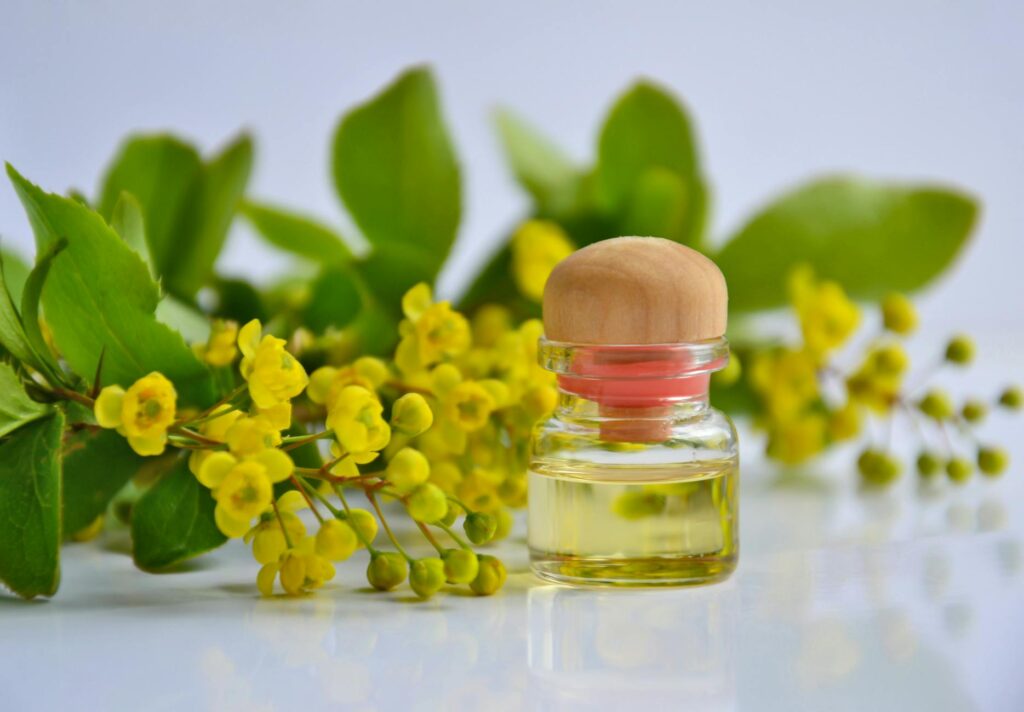
Is Floral Hydrosols for Skin Care Safe? Uses, Benefits and Precautions
Introduction
Floral hydrosols, often referred to as flower waters, are by-products of the steam distillation process used to extract essential oils from plants. These aromatic waters contain the essence of the plant, including its fragrance and therapeutic properties, albeit in a milder form. As the popularity of natural skincare continues to rise, many are turning to floral hydrosols for their potential benefits and versatility. This article explores the safety, uses, benefits, and precautions regarding the use of floral hydrosols in skincare.
What Is Floral Hydrosols for Skin Care?
Floral hydrosols are created when steam distillation separates the essential oil from water in plant materials. During this process, the steam captures the volatile compounds of the plant, which then condense back into liquid form. The resulting hydrosol contains a small amount of essential oil, along with water-soluble compounds, making it gentler than the concentrated essential oil. Common examples include rose hydrosol, lavender hydrosol, and chamomile hydrosol.
Due to their soothing nature, floral hydrosols can be incorporated into skincare routines, often used as toners, facial mists, or even as ingredients in DIY beauty products.
Key Benefits and Properties
Floral hydrosols are celebrated for their diverse benefits, many of which stem from the properties of the plants they are derived from. Here are some key benefits:
1. Hydration
Floral hydrosols provide a light moisturizing effect, helping to hydrate the skin. They can be beneficial for all skin types, including dry and sensitive skin.
2. Soothing Properties
Many floral hydrosols possess anti-inflammatory properties. For instance, chamomile hydrosol is known for its calming effects, making it suitable for irritated or sensitive skin.
3. Antimicrobial Action
Certain hydrosols, like tea tree or lavender, have antimicrobial properties that may help in preventing acne and other skin irritations.
4. Aromatherapy Benefits
The aromatic qualities of floral hydrosols can enhance mood and promote relaxation, contributing to overall well-being.
5. pH Balance
Floral hydrosols can help maintain the skin’s natural pH balance, which is essential for healthy skin.
Common Uses
Floral hydrosols boast a multitude of uses in skincare, making them a versatile addition to beauty routines. Here are some common applications:
1. Toner
Hydrosols can be used as natural toners to help remove impurities and balance the skin after cleansing.
2. Facial Mist
Spraying floral hydrosols on the face can refresh and hydrate the skin throughout the day.
3. Makeup Setting Spray
Certain floral hydrosols can be used as a setting spray to help makeup adhere better and provide a dewy finish.
4. Ingredient in DIY Products
Floral hydrosols can be incorporated into homemade lotions, creams, and serums to enhance their efficacy and aroma.
5. Bath Additive
Adding floral hydrosols to bath water can create a soothing and aromatic experience.
Aromatherapy Applications
In addition to their skincare benefits, floral hydrosols can be used in aromatherapy. The gentle scent of these hydrosols can promote emotional well-being and relaxation. Some common aromatic uses include:
- Room Spray: Hydrosols can be used to freshen up indoor spaces, providing a subtle, natural fragrance.
- Pillow Spray: Spraying a hydrosol like lavender on pillows can promote restful sleep.
- Inhalation: Using a hydrosol in a diffuser or simply inhaling it can help alleviate stress and anxiety.
- Refrigeration: Store in the refrigerator after opening, especially in warmer climates.
- Dark Glass Bottles: Use dark glass containers to protect the hydrosol from light exposure.
- Avoid Contamination: Use clean utensils when dispensing to prevent contamination.
Safety Considerations
While floral hydrosols are generally considered safe for topical use, it is essential to take certain precautions:
1. Patch Test
Before applying a new hydrosol to the skin, conduct a patch test on a small area to check for any allergic reactions or sensitivities.
2. Quality Matters
Choose high-quality, organic hydrosols from reputable suppliers. Poor-quality products may contain additives, preservatives, or synthetic fragrances that can irritate the skin.
3. Avoid Certain Areas
Avoid using floral hydrosols near the eyes or mucous membranes, as they can cause irritation in these sensitive areas.
4. Pregnancy and Nursing
Consult a healthcare provider before using floral hydrosols if pregnant or nursing, as some plant extracts may not be suitable during these periods.
5. Storage
Proper storage is crucial to maintain the integrity of hydrosols. Keep them in a cool, dark place, away from direct sunlight.
Storage and Shelf Life
The shelf life of floral hydrosols varies depending on the type and storage conditions. Generally, hydrosols can last from six months to two years. To prolong their shelf life:
Frequently Asked Questions
1. Can I use floral hydrosols daily?
Yes, floral hydrosols can be used daily, but it is advisable to monitor your skin’s reaction and adjust usage accordingly.
2. Are floral hydrosols safe for all skin types?
Most floral hydrosols are safe for various skin types. However, individuals with sensitive skin should exercise caution and perform patch tests before use.
3. Can I mix different hydrosols together?
Yes, blending floral hydrosols can create unique aromatic experiences and combine their benefits. Just ensure that the selected hydrosols complement each other.
4. Can I use floral hydrosols as a substitute for water in DIY products?
Floral hydrosols can be an excellent substitute for water in DIY skincare formulations, adding both hydration and fragrance.
5. What is the difference between floral hydrosols and essential oils?
Floral hydrosols are much milder than essential oils, containing water-soluble compounds and a lower concentration of aromatic constituents. Essential oils are concentrated and should be used with caution, often diluted in carrier oils.
Conclusion
Floral hydrosols serve as a gentle and versatile option for skincare enthusiasts seeking natural alternatives. With their myriad of benefits, these aromatic waters can enhance beauty routines and promote emotional wellness. However, as with any skincare product, it is vital to prioritize safety and quality. By following appropriate precautions and understanding individual skin needs, floral hydrosols can be a delightful addition to any skincare regimen.