
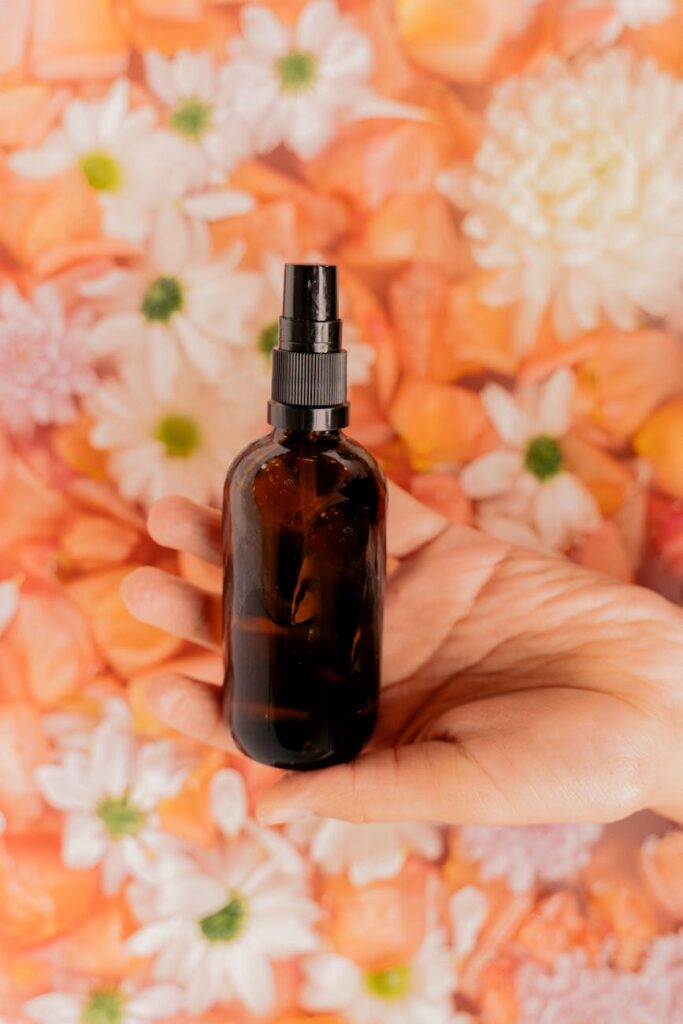
Is Floral Hydrosols for Skin Nourishment Safe? Uses, Benefits, and Precautions
Introduction
Floral hydrosols, often referred to as flower waters, have gained popularity in the world of natural skincare and aromatherapy. Derived from the steam distillation of plants, hydrosols capture the essence of the flowers while retaining water-soluble nutrients and properties. This article explores the safety, uses, benefits, and precautions associated with floral hydrosols for skin nourishment, offering a comprehensive understanding for those interested in incorporating them into their skincare routines.
What Is Floral Hydrosols for Skin Nourishment?
Floral hydrosols are aqueous extracts produced during the steam distillation process of essential oils. When plant material, such as flower petals, is subjected to steam, volatile compounds are released and then condensed back into liquid form. The resulting hydrosol contains a variety of beneficial components, including aromatic compounds, essential fatty acids, vitamins, and minerals.
Unlike essential oils, which are highly concentrated and can sometimes be irritating to the skin, hydrosols are gentler and can be used directly on the skin. Their low concentration makes them suitable for a wide range of applications, including skincare, haircare, and aromatherapy.
Key Benefits and Properties
Floral hydrosols offer several notable benefits for skin nourishment:
1. Hydration: Hydrosols are primarily composed of water, making them excellent for hydrating the skin. They can be used as toners or mists to help maintain moisture levels.
2. Soothing Properties: Many floral hydrosols possess anti-inflammatory and calming properties. For example, chamomile and lavender hydrosols are known for their ability to soothe irritated skin.
3. Antioxidant Effects: Certain hydrosols contain antioxidants that can help combat the signs of aging by neutralizing free radicals. Rose and hibiscus hydrosols are particularly noted for their antioxidant properties.
4. pH Balancing: The pH of many floral hydrosols is similar to that of human skin, which makes them effective in balancing skin pH and promoting a healthy skin barrier.
5. Antimicrobial Properties: Some floral hydrosols exhibit mild antimicrobial properties, which can be beneficial in preventing acne and other skin irritations. For instance, tea tree hydrosol is often used for its cleansing effects.
6. Aromatherapy Benefits: The subtle scent of floral hydrosols can have uplifting effects on mood and well-being, contributing to a holistic approach to skincare.
Common Uses
Floral hydrosols can be utilized in various ways for skin nourishment:
- Facial Toner: Applied after cleansing, hydrosols can help tighten pores, balance skin, and provide additional hydration.
- Mist: Used as a facial mist throughout the day, hydrosols can refresh and hydrate the skin, especially in dry environments.
- Makeup Setting Spray: Hydrosols can serve as a natural makeup setting spray, helping to keep makeup in place while providing skin benefits.
- Soothing Compress: Soaked cotton pads or cloths in hydrosols can be applied to irritated areas of the skin for a cooling effect.
- Bath Additive: Adding floral hydrosols to bathwater can enhance the bathing experience, providing both aromatic and skin-nourishing benefits.
- Hair Care: Hydrosols can be used as hair tonics or added to hair masks for added hydration and fragrance.
- Diffusion: Hydrosols can be added to a diffuser for a gentle aromatic experience, promoting relaxation and calmness.
- Inhalation: Spraying hydrosols in the air or directly inhaling them can provide mood-lifting effects and aid in stress relief.
- Massage: Diluted hydrosols can be incorporated into massage oils, providing both scent and skin benefits during massages.
- Keep Refrigerated: Storing hydrosols in the refrigerator can help extend their freshness, especially in warmer climates.
- Avoid Contamination: Use clean utensils when dispensing hydrosols to avoid introducing bacteria.
- Check for Changes: Always inspect hydrosols for any changes in color, smell, or consistency before use, as these may indicate spoilage.
Aromatherapy Applications
In aromatherapy, floral hydrosols can be used for their aromatic properties and therapeutic benefits:
Safety Considerations
While floral hydrosols are generally considered safe for topical use, there are several precautions to keep in mind:
1. Patch Test: Before using a new hydrosol, it is advisable to conduct a patch test on a small area of skin to check for any adverse reactions.
2. Dilution: Although hydrosols are milder than essential oils, some individuals may still experience sensitivity. In such cases, further dilution with water or carrier oils may be necessary.
3. Quality: Ensure that you purchase high-quality hydrosols from reputable sources. Poor-quality or adulterated products may contain preservatives or other additives that can irritate the skin.
4. Storage: Store hydrosols in a cool, dark place to prevent degradation. Exposure to heat and light can diminish their quality and efficacy.
5. Allergies: Individuals with allergies to specific plants should exercise caution when using hydrosols derived from those plants.
6. Pregnancy and Nursing: While many floral hydrosols are considered safe, pregnant or nursing individuals should consult a healthcare professional before using any new products.
Storage and Shelf Life
The shelf life of floral hydrosols typically ranges from 6 months to 2 years, depending on the specific type and how they are stored. To maximize the shelf life:
Frequently Asked Questions
1. Can I use floral hydrosols on sensitive skin?
Yes, floral hydrosols are generally safe for sensitive skin due to their gentle nature. However, it is advisable to conduct a patch test first.
2. Are floral hydrosols suitable for all skin types?
Most floral hydrosols can be used on various skin types, including dry, oily, and combination skin. However, specific hydrosols may be better suited for certain skin concerns.
3. How do I choose the right floral hydrosol for my skin?
Consider your skin type and any specific concerns you may have. For example, rose hydrosol is great for dry skin, while tea tree hydrosol may help with acne-prone skin.
4. Can I use floral hydrosols during pregnancy?
While many floral hydrosols are considered safe, it is best to consult a healthcare professional before using any new products during pregnancy.
5. Can I mix different floral hydrosols?
Yes, mixing different floral hydrosols can create unique blends that provide diverse benefits. Ensure that the hydrosols you choose do not have conflicting properties.
Conclusion
Floral hydrosols present a versatile and gentle option for skin nourishment, offering a range of benefits from hydration to soothing properties. When used responsibly, they can enhance skincare routines and provide additional therapeutic advantages through their aromatic qualities. By understanding their uses, benefits, and safety considerations, individuals can make informed choices about incorporating floral hydrosols into their daily lives, fostering a more holistic approach to skincare and well-being.