
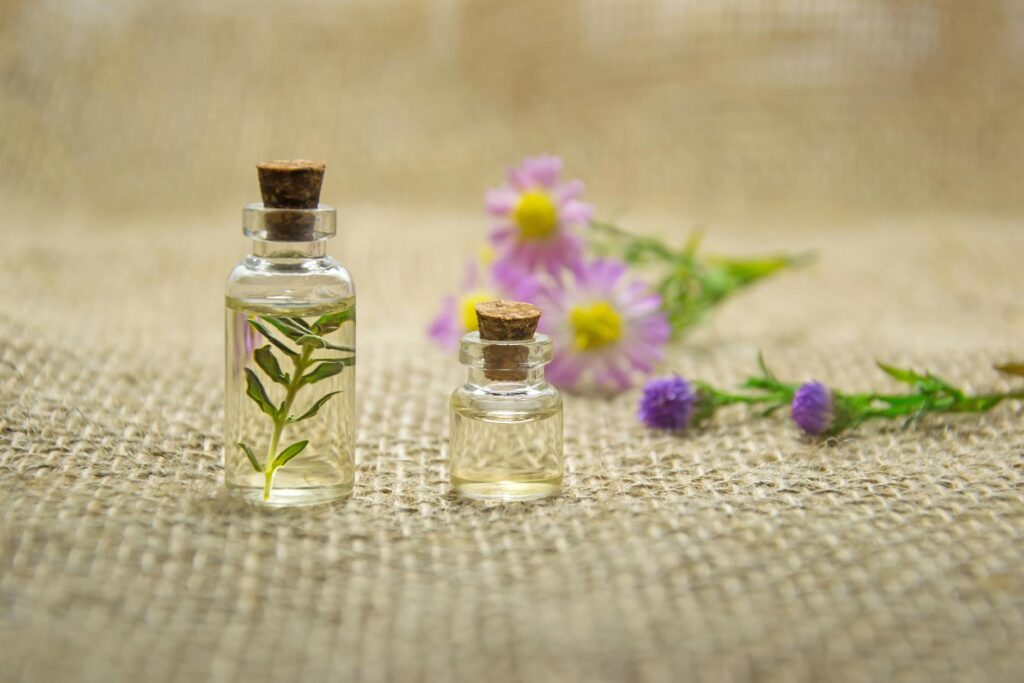
Is Floral Hydrosols Safe? Uses, Benefits and Precautions
Introduction
Floral hydrosols, often referred to as herbal waters or floral waters, have gained popularity in recent years due to their gentle nature and versatile applications in various domains, including skincare, aromatherapy, and culinary arts. These aromatic liquids are byproducts of the steam distillation process used to extract essential oils from plants. While they share some similarities with essential oils, floral hydrosols are generally milder and may be more suitable for sensitive individuals. This article delves into the world of floral hydrosols, exploring their uses, benefits, and safety considerations.
What Is Floral Hydrosols?
Floral hydrosols are the aqueous distillates obtained during the steam distillation of flowers and other plant materials. When plant material is steamed, the essential oils are evaporated and then condensed, leaving behind not only the oils but also water-soluble components of the plant. This results in a fragrant liquid that retains some of the therapeutic properties of the original plant material but is much less concentrated than essential oils.
Hydrosols typically have a pH similar to that of water, making them suitable for a variety of applications without the need for dilution. They can vary in scent, potency, and properties depending on the plant from which they are derived.
Key Benefits and Properties
Floral hydrosols offer a range of benefits and properties, making them valuable in multiple fields:
1. Mildness: Due to their lower concentration, hydrosols are gentler on the skin and are often recommended for sensitive skin types, including that of children and the elderly.
2. Hydration: Floral hydrosols can help hydrate and refresh the skin, making them popular in skincare routines, especially as toners or mists.
3. Aromatherapy: The subtle aromas of hydrosols can promote relaxation and emotional well-being. They can serve as a calming addition to spaces or during meditation.
4. Antimicrobial Properties: Many floral hydrosols possess natural antimicrobial properties, which can help in maintaining skin health and cleanliness.
5. Natural Ingredients: Floral hydrosols are typically free from synthetic additives, making them an attractive option for those seeking natural alternatives in their beauty and wellness routines.
Common Uses
Floral hydrosols are incredibly versatile and can be employed in various applications:
1. Skincare: They can be used as facial toners, refreshing mists, or added to creams and lotions to enhance their hydrating properties. Popular hydrosols for skincare include rose, lavender, and chamomile.
2. Hair Care: Floral hydrosols can be used as hair mists or added to conditioners for added hydration and fragrance. Rosemary and lavender hydrosols are particularly popular for hair care.
3. Household Uses: They can serve as natural air fresheners or added to cleaning solutions for a pleasant scent. Citrus and eucalyptus hydrosols are often used for this purpose.
4. Culinary Uses: Some floral hydrosols, like orange blossom and rose, can be used in cooking and baking to impart unique flavors to dishes and desserts.
5. Bath Additives: Adding floral hydrosols to bathwater can provide a soothing and aromatic experience, enhancing relaxation.
Aromatherapy Applications
In the realm of aromatherapy, floral hydrosols offer a more subtle way to experience the benefits of plant essences:
1. Calming Atmosphere: Hydrosols can be used in diffusers or as a room spray to create a tranquil environment. Lavender and chamomile are commonly chosen for their calming effects.
2. Meditation Enhancement: Spritzing a floral hydrosol, such as rose or frankincense, before meditation can help elevate the experience by promoting relaxation and focus.
3. Emotional Support: Certain floral hydrosols can assist in emotional balance. For instance, geranium hydrosol is often used to uplift mood and foster emotional stability.
4. Facial Steams: Adding hydrosols to facial steam treatments can provide additional benefits, such as soothing the skin and promoting relaxation.
Safety Considerations
While floral hydrosols are generally considered safe for most individuals, it is essential to observe some precautions:
1. Patch Testing: As with any new product, it is advisable to perform a patch test before widespread use. Apply a small amount of hydrosol to a discreet area of the skin and monitor for any adverse reactions.
2. Dilution: Although hydrosols are milder than essential oils, some individuals may still prefer to dilute them further, especially for sensitive skin or mucous membranes.
3. Pregnancy and Nursing: While many floral hydrosols are deemed safe, it is advisable to consult a qualified professional before using any new product during pregnancy or nursing.
4. Quality Matters: Always choose high-quality, organic floral hydrosols from reputable sources to ensure purity and avoid potential contaminants.
5. Storage: Proper storage is crucial for maintaining the integrity of floral hydrosols. Keep them in a cool, dark place, away from direct sunlight.
Storage and Shelf Life
The shelf life of floral hydrosols can vary based on factors such as the type of hydrosol, storage conditions, and whether preservatives have been added. Typically, hydrosols have a shelf life of 6 months to 2 years.
To ensure longevity, follow these storage tips:
1. Cool Environment: Store hydrosols in a cool, dark place to prevent degradation.
2. Refrigeration: Some individuals choose to refrigerate their hydrosols, particularly if they are using them frequently, as this can enhance their refreshing nature.
3. Dark Glass Bottles: Keeping hydrosols in dark glass bottles helps protect them from light exposure, preserving their quality.
4. Seal Tightly: Ensure that the container is tightly sealed after each use to minimize exposure to air and contaminants.
Frequently Asked Questions
1. Can I use floral hydrosols on my face?
Yes, many floral hydrosols, such as rose or lavender, are suitable for facial use. They can act as toners or refreshing mists.
2. Are floral hydrosols safe for children?
Most floral hydrosols are safe for children, but it is advisable to perform a patch test and consult a professional if there are any concerns.
3. How do I choose a floral hydrosol?
Select high-quality, organic floral hydrosols from reputable suppliers. Consider the specific benefits and properties of each hydrosol to find one that suits your needs.
4. Can I use floral hydrosols internally?
While some floral hydrosols are safe for culinary use, it is essential to ensure they are food-grade and consult a professional if unsure.
5. How can I incorporate floral hydrosols into my daily routine?
You can use floral hydrosols as facial mists, toners, in your bath, or as air fresheners in your home.
Conclusion
Floral hydrosols present a gentle and versatile option for incorporating the benefits of plant essences into daily life. Their myriad uses, from skincare to aromatherapy, make them a valuable addition to both personal wellness routines and household applications. While they are generally safe for most individuals, being mindful of quality, storage, and individual sensitivities can enhance the experience of using these aromatic waters. With the right precautions, floral hydrosols can be a delightful and beneficial part of a holistic approach to wellness.