
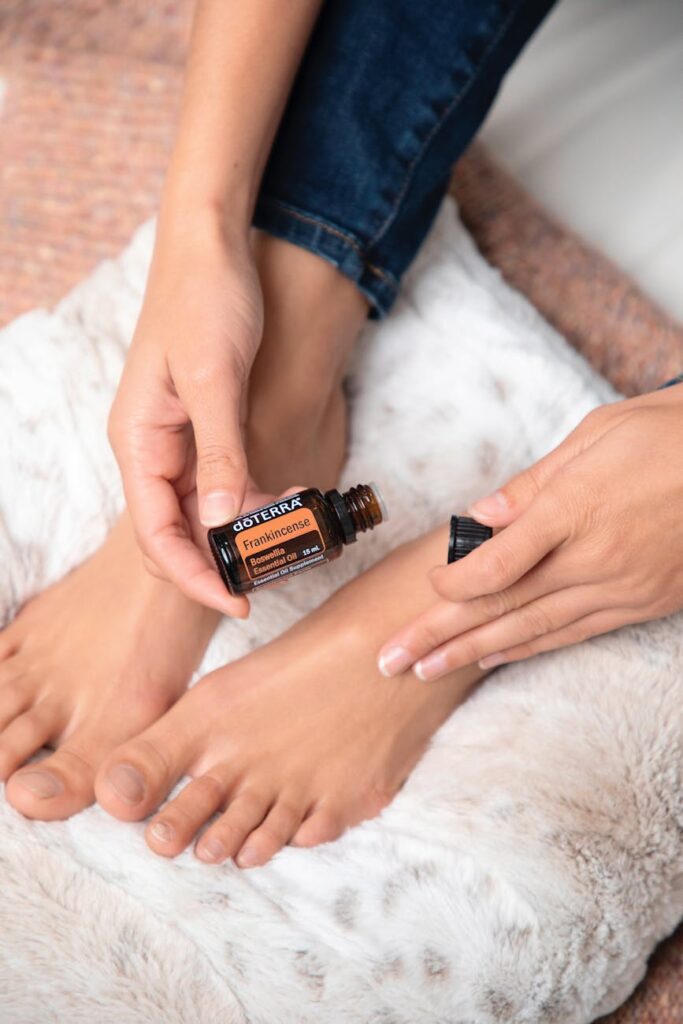
Is Frankincense Oil Safe? Uses, Benefits and Precautions
Introduction
Frankincense oil, derived from the resin of the Boswellia tree, has been revered for centuries across various cultures for its aromatic and therapeutic properties. This essential oil is often associated with spiritual practices and holistic healing, making it a popular choice in aromatherapy, skincare, and even household products. However, as with any essential oil, understanding its uses, benefits, and safety considerations is crucial for both new and experienced users. This article aims to provide a comprehensive overview of frankincense oil, examining its properties, common applications, and necessary precautions.
What Is Frankincense Oil?
Frankincense oil is extracted from the resin of the Boswellia species, primarily Boswellia sacra, Boswellia serrata, and Boswellia carteri. The extraction process typically involves steam distillation, which captures the aromatic compounds from the resin. This oil possesses a complex chemical composition, containing monoterpenes, sesquiterpenes, and other constituents that contribute to its unique scent and therapeutic properties.
Historically, frankincense was highly valued for both its religious significance and medicinal uses. It is mentioned in ancient texts, including the Bible, and has been used in traditional medicine systems such as Ayurveda and Traditional Chinese Medicine. The oil is often associated with purification, meditation, and spiritual practices, making it a staple in many rituals.
Key Benefits and Properties
Frankincense oil is celebrated for its numerous beneficial properties, supported by both traditional uses and some modern research. Here are some of the key benefits attributed to this essential oil:
1. Anti-inflammatory Properties: Frankincense oil is known for its anti-inflammatory effects, which may help alleviate pain and swelling in the body. This property makes it a popular choice for those seeking natural remedies for inflammatory conditions.
2. Antiseptic Qualities: The oil has antiseptic properties that can be beneficial for minor wounds and skin irritations. Its use may promote healing and protect against infection.
3. Anxiolytic Effects: Many users report that frankincense oil can help reduce feelings of anxiety and promote relaxation. Its calming aroma is often utilized in stress relief practices.
4. Immune Support: Some studies suggest that frankincense oil may boost the immune system, although further research is needed to substantiate these claims.
5. Skin Health: Frankincense oil is widely used in skincare products due to its ability to rejuvenate skin, reduce the appearance of scars, and promote an even skin tone.
Common Uses
Frankincense oil is versatile and can be used in a variety of ways. Here are some common applications:
1. Aromatherapy: Often diffused in homes and wellness centers, frankincense oil creates a serene environment conducive to meditation and relaxation.
2. Topical Application: When diluted with a carrier oil, frankincense oil can be applied to the skin. It is commonly used to address issues such as acne, scars, and signs of aging.
3. Massage: Due to its soothing properties, frankincense oil is frequently included in massage oils, providing both relaxation and relief from muscle tension.
4. Skincare: Many natural skincare products incorporate frankincense oil for its skin-rejuvenating effects, enhancing formulations for moisturizers, serums, and cleansers.
5. Incense: Traditionally, frankincense resin has been burned as incense. The smoke is believed to purify spaces and enhance spiritual practices.
Aromatherapy Applications
In aromatherapy, frankincense oil is often blended with other essential oils to enhance its effects. Common combinations include:
- Lavender: Promotes relaxation and stress relief.
- Myrrh: Complements frankincense in spiritual practices and enhances skin health.
- Cedarwood: Supports emotional grounding and calming.
To use frankincense oil in aromatherapy, consider the following methods:
1. Diffusion: Add a few drops of frankincense oil to a diffuser to fill the room with its calming aroma.
2. Inhalation: Place a few drops on a tissue or cotton ball and inhale deeply for immediate relaxation.
3. Bath: Add frankincense oil to a warm bath for a soothing experience. Always dilute the oil in a carrier oil or bath salt to avoid skin irritation.
Safety Considerations
While frankincense oil is generally considered safe for most individuals, certain precautions should be taken:
1. Dilution: Always dilute frankincense oil with a carrier oil (such as jojoba, coconut, or olive oil) before applying it to the skin. A common dilution ratio is 2-3 drops of essential oil per teaspoon of carrier oil.
2. Patch Test: Conduct a patch test on a small area of skin before widespread use to check for any allergic reactions or sensitivities.
3. Pregnancy and Breastfeeding: Pregnant or breastfeeding individuals should consult a healthcare professional before using frankincense oil.
4. Medical Conditions: Those with existing medical conditions or those taking medication should consult a healthcare provider before incorporating frankincense oil into their routine.
5. Children: Essential oils should be used with caution around children. It is advisable to consult a pediatrician before using frankincense oil on or near young children.
Storage and Shelf Life
Proper storage of frankincense oil is essential to maintain its potency and aromatic qualities. Here are some tips for storing this essential oil:
1. Cool, Dark Place: Store frankincense oil in a cool, dark location, away from direct sunlight and heat sources.
2. Tightly Sealed: Ensure the bottle is tightly sealed when not in use to prevent oxidation.
3. Shelf Life: When stored correctly, frankincense oil can last for several years. However, always check for any changes in scent or consistency before use.
Frequently Asked Questions
What is the origin of frankincense oil?
Frankincense oil is derived from the resin of trees belonging to the Boswellia genus, primarily found in regions of the Arabian Peninsula, Africa, and India.
Can frankincense oil be ingested?
Ingesting essential oils, including frankincense, is not generally recommended without the guidance of a qualified healthcare professional. Always seek professional advice before considering internal use.
Is frankincense oil safe for sensitive skin?
While many individuals find frankincense oil beneficial for skin health, those with sensitive skin should conduct a patch test and consider using a higher dilution ratio.
What are the best ways to use frankincense oil for skincare?
For skincare, frankincense oil can be diluted with a carrier oil and applied directly to the skin, added to lotions or creams, or used in facial steam treatments.
Can frankincense oil help with respiratory issues?
Frankincense oil is often used in aromatherapy to promote respiratory health; however, scientific evidence supporting its efficacy for specific respiratory conditions is limited.
Conclusion
Frankincense oil is a remarkable essential oil with a long history of use across cultures for its aromatic and therapeutic properties. While it offers numerous potential benefits, understanding its safe application and handling is crucial for optimal use. By following the safety guidelines and exploring its various applications, users can unlock the full potential of frankincense oil in their daily lives. Always remember to consult a knowledgeable practitioner or healthcare provider if you have specific health concerns or questions about its use.