
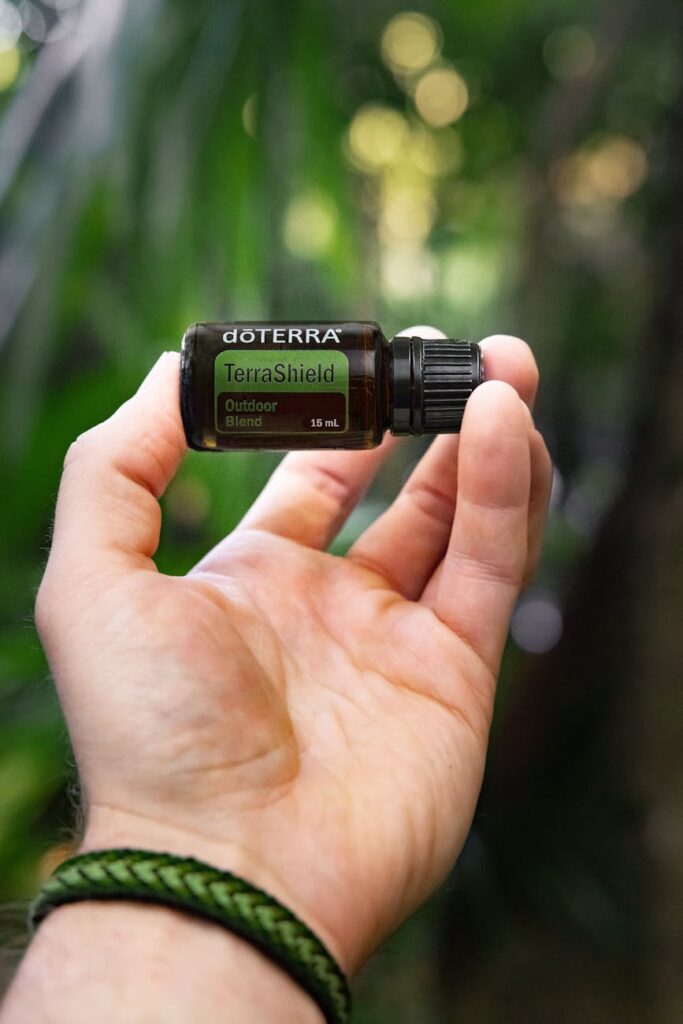
Is Grounding Blends Safe? Uses, Benefits and Precautions
Introduction
Grounding blends are a popular category of essential oil mixtures that aim to promote a sense of stability, balance, and connection to the present moment. Often used in aromatherapy practices, these blends can help individuals feel more centered and relaxed. This article explores what grounding blends are, their key benefits, common applications, safety considerations, and how to store them effectively.
What Is Grounding Blends?
Grounding blends are typically composed of essential oils known for their calming and centering properties. Common ingredients may include oils like vetiver, cedarwood, patchouli, and sandalwood, all of which have earthy and rich aromas. The concept of grounding is rooted in the idea of connecting with the Earth and the present moment, which can help alleviate feelings of anxiety, stress, and disconnection.
These blends can vary in composition depending on the intended use, manufacturer, and personal preferences. Grounding blends may be available in various forms, such as pure essential oils, diluted roll-ons, or pre-mixed sprays.
Key Benefits and Properties
Emotional Balance
Grounding blends are reputed for their ability to promote emotional stability. The calming properties of the essential oils used can help soothe feelings of anxiety and stress, providing a sense of tranquility.
Enhanced Focus
Many users report that grounding blends help improve concentration and mental clarity. The earthy scents are believed to anchor the mind, making it easier to focus on tasks at hand.
Stress Relief
The soothing qualities of grounding blends can also serve as a natural stress reliever. Inhaling these aromas may help reduce cortisol levels and promote a sense of relaxation.
Physical Well-being
Some essential oils in grounding blends are thought to have anti-inflammatory and analgesic properties, potentially contributing to physical comfort. However, it’s essential to note that these effects can vary based on individual sensitivities and responses.
Common Uses
Grounding blends can be utilized in various settings and situations to enhance well-being. Here are some common applications:
Meditation and Mindfulness
Many practitioners incorporate grounding blends into their meditation routines. Diffusing these oils or applying them to pulse points can create a calming atmosphere conducive to mindfulness practices.
Yoga and Exercise
Grounding blends can be used before or after yoga sessions to promote relaxation and enhance focus. They can also be beneficial during physical exercise, helping to center the mind and body.
Daily Routine
Incorporating grounding blends into your daily routine can be as simple as applying a roll-on before heading out or using a spray in your living space. Doing so can help maintain a sense of calm throughout the day.
Stressful Situations
Having a grounding blend handy during stressful situations, such as public speaking or high-pressure meetings, can provide quick relief and help maintain composure.
Aromatherapy Applications
Grounding blends can be applied in various ways within the field of aromatherapy:
Diffusion
Using a diffuser is one of the most effective ways to disperse the aromas of grounding blends throughout a room. This method allows for the slow release of the scent, helping to create a calming environment.
Topical Application
Diluting essential oils and applying them to the skin can provide localized benefits. Common areas for application include pulse points, the back of the neck, or the wrists.
Inhalation
Simply inhaling the scent of grounding blends directly from the bottle or by placing a few drops on a cotton ball can provide immediate calming effects.
Bath Soaks
Adding grounding blends to a warm bath can create a relaxing and rejuvenating experience. The combination of heat and aroma can help soothe both the mind and body.
Safety Considerations
While grounding blends can offer a range of benefits, it is essential to consider safety precautions:
Skin Sensitivity
Before applying essential oils to the skin, it is advisable to perform a patch test to check for any allergic reactions. Some individuals may experience irritation or sensitivity to specific oils.
Dilution
Most essential oils should be diluted with a carrier oil before topical application. Carrier oils, such as coconut oil, jojoba oil, or sweet almond oil, can help reduce the potency and minimize the risk of skin irritation.
Pregnancy and Nursing
Pregnant or nursing individuals should exercise caution when using essential oils, as some may not be considered safe during these times. Consulting with a healthcare professional is recommended.
Children and Pets
Certain essential oils can be harmful to children and pets. It is crucial to research the safety of specific oils before use in households with young children or animals.
Quality of Essential Oils
The quality of essential oils can vary significantly. Choosing high-quality, pure essential oils from reputable sources is crucial to ensure safety and efficacy.
Storage and Shelf Life
Proper storage of grounding blends is essential to maintain their potency and effectiveness:
Storage Conditions
Essential oils should be stored in a cool, dark place, away from direct sunlight and heat sources. This helps to preserve their chemical integrity and prolong their shelf life.
Containers
Using dark glass bottles for storage can help protect essential oils from light degradation. It is advisable to keep these bottles tightly sealed to prevent evaporation and oxidation.
Shelf Life
While the shelf life of essential oils can vary, most oils remain effective for 1-3 years when stored correctly. It is important to check for any changes in smell, consistency, or color, as these may indicate that the oil has gone bad.
Frequently Asked Questions
Can grounding blends be ingested?
It is generally not recommended to ingest essential oils unless under the guidance of a qualified healthcare professional. Many essential oils can be toxic if consumed improperly.
How often can I use grounding blends?
The frequency of use can vary based on personal preference and individual sensitivity. Many find that using grounding blends multiple times a day is beneficial, while others may prefer to use them less frequently.
Are grounding blends suitable for everyone?
While many individuals can benefit from grounding blends, those with specific medical conditions or sensitivities should consult a healthcare professional before use.
Can I create my own grounding blend?
Yes, making your own grounding blend can be a rewarding experience. Combining essential oils known for their grounding properties can allow you to tailor the blend to your preferences.
What is the difference between grounding and uplifting blends?
Grounding blends typically focus on stability and calming effects, while uplifting blends aim to energize and elevate mood. Each serves a different purpose in aromatherapy practices.
Conclusion
Grounding blends offer a unique and beneficial approach to enhancing emotional and physical well-being. With their calming properties and versatile applications, these essential oil mixtures can be an excellent addition to your daily routine. However, it is crucial to consider safety precautions, particularly regarding skin sensitivity and the quality of oils used. By understanding and respecting these factors, individuals can enjoy the many advantages that grounding blends have to offer.