
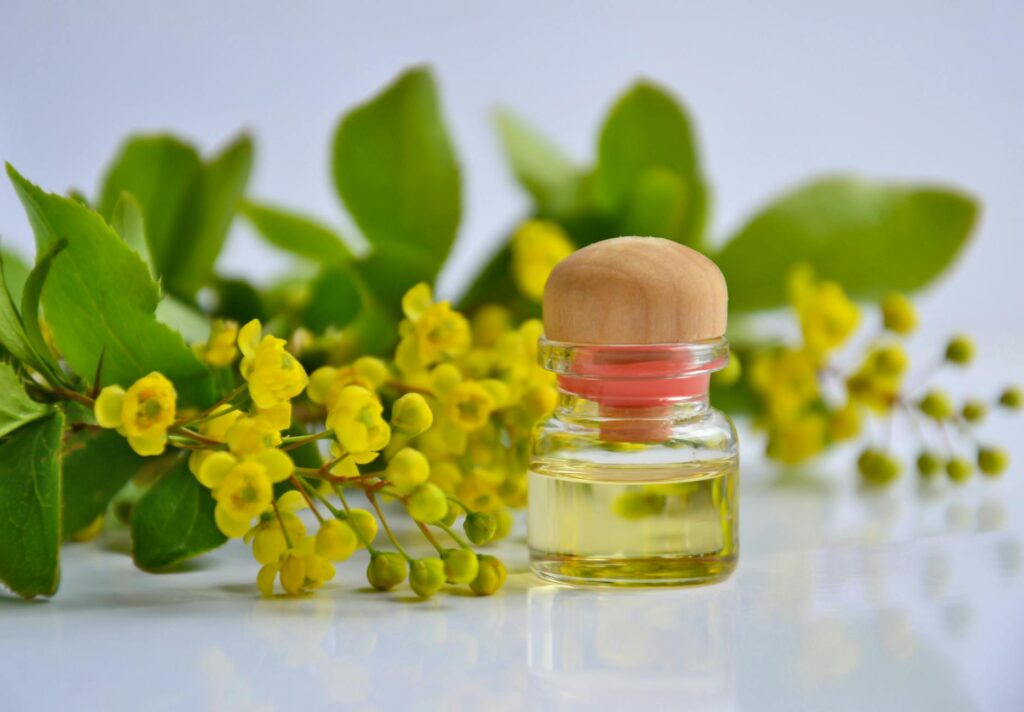
Is Hawthorn Extract Safe? Uses, Benefits, and Precautions
Introduction
Hawthorn extract, derived from the leaves, flowers, and berries of the hawthorn plant (Crataegus spp.), has been utilized for centuries in traditional medicine. Known for its potential cardiovascular benefits, hawthorn is gaining popularity in the realm of herbal supplements and aromatherapy. This article explores the uses, benefits, precautions, and safety considerations surrounding hawthorn extract to provide a comprehensive understanding of this botanical remedy.
What Is Hawthorn Extract?
Hawthorn belongs to the Rosaceae family and is native to temperate regions of Europe, North America, and Asia. The extract is typically prepared from the plant’s flowers, leaves, and berries, which can be consumed in various forms, including capsules, tinctures, teas, and liquid extracts. The active constituents in hawthorn include flavonoids, oligomeric proanthocyanidins, and other polyphenolic compounds, which contribute to its therapeutic properties.
Key Benefits and Properties
Hawthorn extract is primarily recognized for its potential benefits related to heart health. The following are some of its key properties:
1. Cardiovascular Support: Hawthorn is believed to improve circulation and enhance the supply of oxygen to the heart. Some studies suggest it may assist in managing symptoms of heart-related conditions, such as angina and heart failure.
2. Antioxidant Effects: The flavonoids and polyphenols in hawthorn exhibit antioxidant properties, which help combat oxidative stress in the body. This may contribute to overall health and wellness.
3. Anti-inflammatory Properties: Hawthorn’s anti-inflammatory effects may aid in reducing inflammation in the body, potentially benefiting those with chronic inflammatory conditions.
4. Digestive Health: Some traditional uses of hawthorn involve its potential to support digestive health, easing symptoms such as indigestion and stomach discomfort.
5. Anxiety and Stress Relief: Anecdotal evidence suggests that hawthorn may have mild sedative effects, which might help alleviate anxiety and promote relaxation.
Common Uses
Hawthorn extract is commonly employed in various forms and for multiple purposes:
- Dietary Supplements: Many people take hawthorn in capsule or tablet form as a dietary supplement aimed at cardiovascular support.
- Teas: Hawthorn tea, made from dried flowers or berries, is a popular herbal infusion enjoyed for its flavor and potential health benefits.
- Tinctures: Liquid extracts of hawthorn can be added to water or taken directly for a more concentrated dose.
- Skin Care: Hawthorn extract is sometimes included in cosmetic products for its antioxidant properties, thought to benefit skin health.
- Cool, Dry Place: Store hawthorn extract in a cool, dry place away from direct sunlight and heat sources. Excessive heat or moisture can degrade the extract.
- Tightly Sealed Containers: Ensure that bottles or containers are tightly sealed to prevent exposure to air and moisture.
- Expiration Date: Check the expiration date on the product packaging. While hawthorn extract may remain effective past its expiration, potency can diminish over time.
Aromatherapy Applications
In aromatherapy, hawthorn extract is less commonly used in its essential oil form compared to other botanical extracts. However, its calming effects are sometimes harnessed in blends aimed at reducing anxiety and promoting emotional balance.
Blending with Other Oils
Hawthorn may be combined with essential oils such as lavender, bergamot, and chamomile to create a soothing atmosphere. These combinations can be diffused in living spaces or added to bathwater for relaxation.
Inhalation
For those interested in the aromatic aspects of hawthorn, inhaling the scent may evoke feelings of calm and tranquility, making it a potential addition to stress-relief practices.
Safety Considerations
While hawthorn extract is generally considered safe for most people when used appropriately, several precautions should be taken into account:
1. Possible Side Effects: Some individuals may experience mild side effects, such as dizziness, stomach upset, or allergic reactions. It is advisable to start with a lower dosage to assess tolerance.
2. Medication Interactions: Hawthorn may interact with certain medications, particularly those related to heart health, blood pressure, or anticoagulants. Individuals on these medications should consult a healthcare provider before using hawthorn extract.
3. Pregnancy and Breastfeeding: There is limited research on the safety of hawthorn during pregnancy and breastfeeding. It is best for pregnant or nursing individuals to avoid using hawthorn unless advised by a healthcare professional.
4. Pre-existing Conditions: Individuals with pre-existing heart conditions or those scheduled for surgery should consult a healthcare provider before using hawthorn extract.
5. Allergies: As with any herbal supplement, individuals with known allergies to hawthorn or related plants should avoid its use.
Storage and Shelf Life
Proper storage of hawthorn extract is essential to maintain its potency and effectiveness. Here are some guidelines:
Frequently Asked Questions
1. What forms of hawthorn extract are available?
Hawthorn extract can be found in several forms, including capsules, tinctures, teas, and liquid extracts.
2. How should I take hawthorn extract?
The method of consumption depends on the form of the extract. Capsules or tablets should be taken as directed on the packaging, while tinctures may require dilution in water. Always follow the manufacturer’s instructions.
3. Can I use hawthorn extract with other herbal supplements?
While hawthorn may be safe to use with some herbal supplements, it is crucial to consult with a healthcare provider to avoid potential interactions.
4. How long does it take to see results from hawthorn extract?
The time taken to experience benefits from hawthorn extract can vary based on individual factors and the specific health issue being addressed. Regular use over several weeks may be necessary to notice effects.
5. Is hawthorn extract safe for children?
There is limited research on the safety of hawthorn extract in children. Parents should consult a healthcare professional before giving hawthorn to minors.
Conclusion
Hawthorn extract presents a variety of potential benefits, particularly in relation to cardiovascular health, and has found its place in dietary supplements and aromatherapy practices. While generally regarded as safe, it is crucial to consider individual health circumstances, possible interactions with medications, and the need for professional guidance. As with any herbal remedy, understanding the properties and precautions surrounding hawthorn extract can contribute to informed use and optimal well-being.