
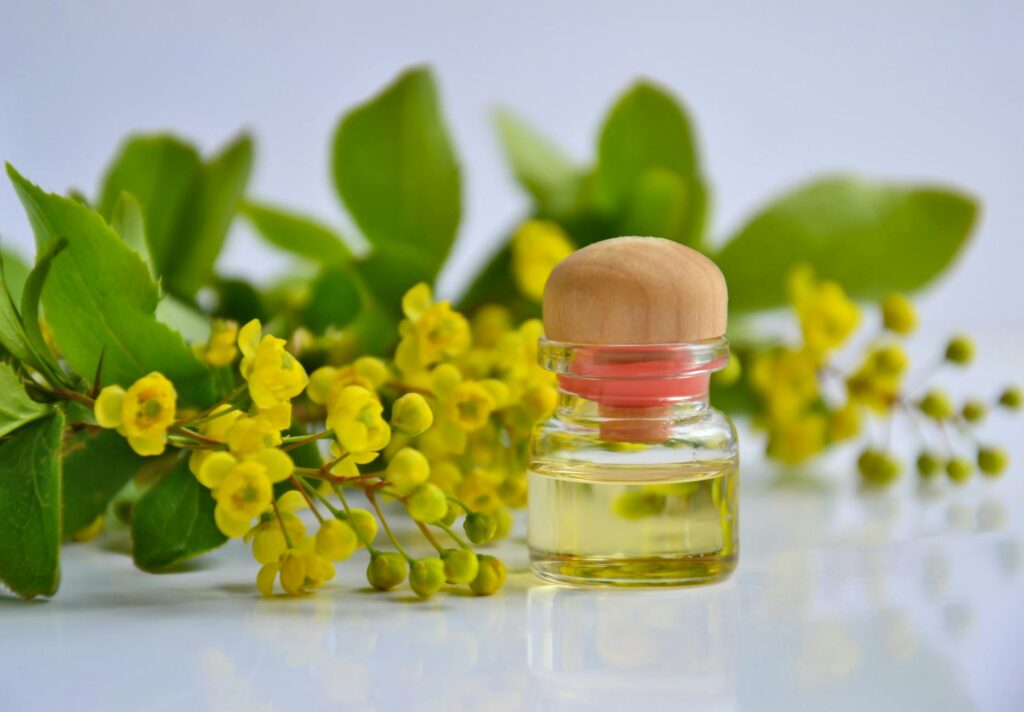
Is Herbaceous Hydrosols Safe? Uses, Benefits, and Precautions
Introduction
Hydrosols, often referred to as floral waters, are aromatic waters produced during the steam distillation of plant materials. While essential oils are well-known for their concentrated plant essence, hydrosols contain the water-soluble components of the plant, making them milder and safer for various applications. Herbaceous hydrosols, derived from herbaceous plants, are particularly valued for their soothing properties and versatile uses. This article explores the safety, benefits, applications, and precautions associated with herbaceous hydrosols.
What Is Herbaceous Hydrosols?
Herbaceous hydrosols are a specific type of hydrosol made from the steam distillation of herbaceous plants—plants characterized by non-woody stems. Common examples include mint, rosemary, basil, and thyme. During distillation, steam passes through the plant material, capturing volatile compounds and producing both essential oil and hydrosol. While the essential oil is stored separately, the remaining liquid—hydrosol—contains aromatic qualities and plant compounds that can be beneficial yet are less potent than their essential oil counterparts.
Key Benefits and Properties
Herbaceous hydrosols offer a variety of benefits and properties, making them appealing for both personal and household use:
1. Mild and Gentle: Due to their lower concentration of aromatic compounds, hydrosols are typically gentler on the skin and body compared to essential oils.
2. Hydration: Many herbaceous hydrosols have hydrating properties, making them suitable for refreshing the skin, especially in hot weather.
3. Aromatic Qualities: They carry the subtle scent of the plant from which they are derived, providing a pleasant aroma without being overwhelming.
4. Antimicrobial Properties: Some herbaceous hydrosols possess natural antimicrobial properties, which can be beneficial in skincare and cleaning applications.
5. Mood Enhancement: The aromatic properties can also positively affect mood, providing calming or uplifting effects when used in aromatherapy.
Common Uses
Herbaceous hydrosols can be utilized in various ways, including:
- Facial Toners: Many people use hydrosols as natural facial toners, helping to refresh and hydrate the skin while providing a soothing effect.
- Body Sprays: They can be used as body sprays to refresh and uplift the spirit, especially in warm climates.
- Hair Care: Herbaceous hydrosols can also be applied to hair as a natural conditioner or to soothe the scalp.
- Household Cleaning: The antimicrobial properties of certain hydrosols make them suitable for use in homemade cleaners and disinfectants.
- Culinary Uses: Some hydrosols, such as those made from mint or basil, can be incorporated into culinary creations for a unique flavor enhancement.
- Diffusion: Herbaceous hydrosols can be used in diffusers to disperse their aromatic properties throughout a room, creating a soothing atmosphere.
- Inhalation: They can be used in steam inhalation or simply spritzed into the air to promote respiratory wellness.
- Massage: Diluted hydrosols can be incorporated into massage oils for a gentle and aromatic experience.
- Meditation and Relaxation: Using hydrosols during meditation or relaxation sessions can help create a tranquil environment, enhancing mindfulness practices.
- Refrigeration: For longer shelf life, consider storing hydrosols in the refrigerator. This can help prevent the growth of bacteria and extend their freshness.
- Dark Containers: Use dark glass bottles to protect the hydrosol from light exposure, which can degrade its quality over time.
- Sealing: Always ensure the containers are tightly sealed to minimize exposure to air, which can also affect stability.
Aromatherapy Applications
In aromatherapy, herbaceous hydrosols serve as an excellent alternative to essential oils, particularly for individuals with sensitivities or those seeking milder options. Here are some common applications:
Safety Considerations
While herbaceous hydrosols are generally considered safe for use, there are important precautions to keep in mind:
1. Patch Test: It is advisable to perform a patch test before using any new hydrosol on the skin. Apply a small amount to a discreet area and wait 24 hours to check for any adverse reactions.
2. Dilution: While hydrosols can be used directly on the skin, it is often recommended to dilute them further, especially for sensitive skin types or delicate areas.
3. Quality: Ensure that the hydrosols are of high quality and sourced from reputable suppliers. Look for products that are labeled as pure and free from additives or preservatives.
4. Storage: Proper storage is essential to maintain the quality and safety of hydrosols. Keep them in a cool, dark place, away from direct sunlight.
5. Pregnancy and Nursing: Pregnant or nursing individuals should consult a qualified professional before using hydrosols, as some plants may have contraindications.
6. Children: Caution should be exercised when using hydrosols around young children. Always consult a pediatric professional for guidance on safe practices.
Storage and Shelf Life
The shelf life of herbaceous hydrosols varies depending on the plant source and storage conditions. Generally, they can last anywhere from six months to two years if stored properly. Here are some tips for optimal storage:
Frequently Asked Questions
1. Are herbaceous hydrosols safe for everyone?
While generally safe, individuals with allergies or sensitivities to specific plants should exercise caution. Always perform a patch test before full application.
2. Can I use hydrosols on my face?
Yes, many people use herbaceous hydrosols as facial toners or refreshing mists. However, it is advisable to choose hydrosols that are specifically meant for skincare.
3. How do I choose the right hydrosol for my needs?
Consider your intended use and any skin sensitivities you may have. Research the properties of different herbaceous hydrosols to find one that aligns with your needs.
4. Can I ingest hydrosols?
Some hydrosols are safe for culinary use, but it is crucial to ensure they are food grade and sourced from reputable suppliers. Consult with a qualified professional for guidance.
5. How can I incorporate hydrosols into my skincare routine?
Hydrosols can be used as toners, in face masks, or as a refreshing mist throughout the day. Experiment with different applications to find what works best for your skin type.
Conclusion
Herbaceous hydrosols are versatile and beneficial plant extracts that offer mild yet effective properties for various applications. They can be safely incorporated into skincare, aromatherapy, and even culinary practices, provided that certain precautions are observed. By understanding their benefits, uses, and safety considerations, individuals can enjoy the aromatic and therapeutic rewards these gentle waters have to offer. Whether you’re new to the world of hydrosols or looking to expand your knowledge, exploring herbaceous varieties can enhance your holistic wellness journey.