
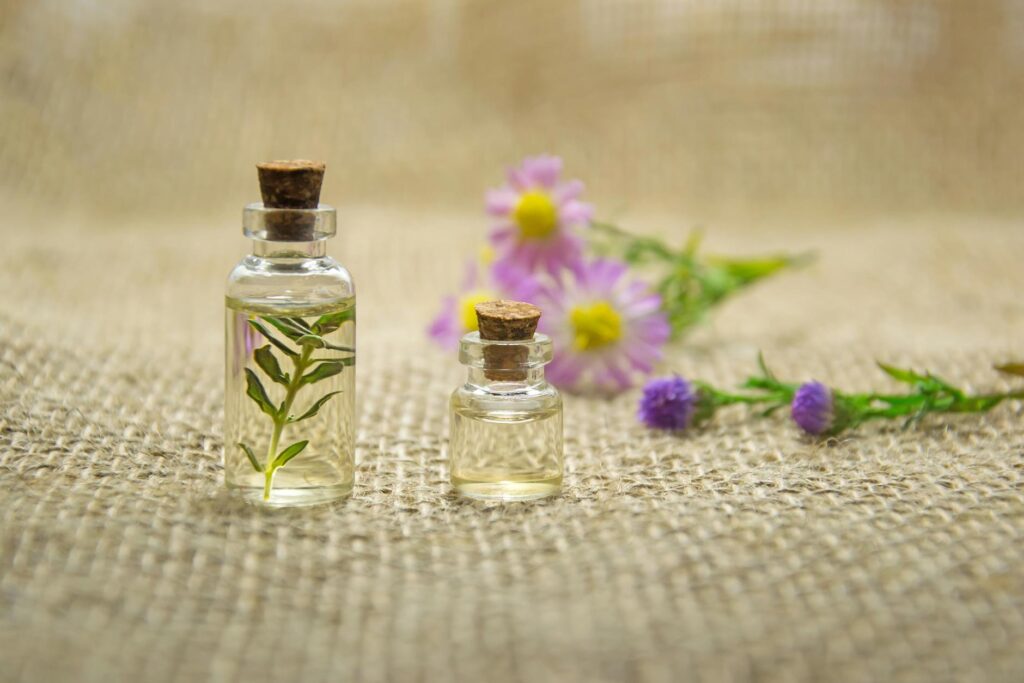
Is Herbal Aromatherapy Blends Safe? Uses, Benefits and Precautions
Introduction
Herbal aromatherapy blends have gained significant traction in recent years as individuals seek natural remedies for various ailments and a means to enhance their overall well-being. Utilizing the aromatic properties of essential oils derived from plants, herbal blends offer a sensory experience that can evoke emotional and physical responses. However, understanding their safety, benefits, and appropriate applications is essential for anyone interested in incorporating these blends into their lifestyle.
What Is Herbal Aromatherapy Blends?
Herbal aromatherapy blends are mixtures of essential oils derived from aromatic plants, herbs, and flowers. These oils capture the plant’s essence and are often combined to create synergistic effects. The practice of using aromatic plants for therapeutic purposes dates back thousands of years, spanning cultures and traditions worldwide.
Essential oils are extracted through various methods, including steam distillation, cold pressing, or solvent extraction. The resulting oils can be combined in various proportions to create blends tailored to specific needs or preferences.
Key Benefits and Properties
Herbal aromatherapy blends offer a range of potential benefits, largely attributed to the unique properties of the individual essential oils used. While each oil has its specific properties, some common benefits include:
- Calming and Relaxing Effects: Oils such as lavender and chamomile are known for their soothing properties, often used to promote relaxation and reduce anxiety.
- Mood Enhancement: Citrus oils like bergamot and sweet orange can uplift spirits and combat feelings of sadness or fatigue.
- Support for Respiratory Health: Eucalyptus and peppermint oils may assist in clearing the airways and promoting easier breathing.
- Skin Care: Certain oils, like tea tree and geranium, possess antimicrobial and anti-inflammatory properties, making them beneficial for skin health.
- Digestive Support: Oils such as ginger and fennel can be used to alleviate digestive discomfort.
- Diffusion: Utilizing a diffuser to disperse essential oils into the air can create a pleasant atmosphere while promoting relaxation or invigoration.
- Topical Application: When diluted with a carrier oil, blends can be applied to the skin for localized effects, such as massage or skincare.
- Bathing: Adding essential oils to a warm bath can create a relaxing experience, enhancing physical and mental well-being.
- Inhalation: Direct inhalation from a bottle or a tissue can provide immediate benefits, especially for emotional support or respiratory issues.
- Household Cleaning: Certain essential oils possess antimicrobial properties and can be used in homemade cleaning solutions.
- Cool, Dark Place: Essential oils should be stored in a cool, dark location, away from direct sunlight and heat sources.
- Tightly Sealed Containers: Ensure that bottles are tightly sealed to prevent oxidation and evaporation.
- Shelf Life: While some oils have a longer shelf life, typically ranging from 1 to 5 years, others may degrade more quickly. Check for changes in aroma, color, or viscosity as indicators of spoilage.
These benefits, while widely recognized, should be approached with an understanding of individual responses and sensitivities.
Common Uses
Herbal aromatherapy blends can be utilized in several ways, each catering to different preferences and intended effects. Some common applications include:
Aromatherapy Applications
Aromatherapy applications are as diverse as the essential oils themselves. Here are some popular methods for incorporating herbal aromatherapy blends into daily life:
1. Massage
When blended with carrier oils, essential oils can enhance the effects of massage, providing relaxation and relief from tension. Popular choices for massage blends include lavender, chamomile, and eucalyptus.
2. Aromatherapy Roll-Ons
Convenient and portable, roll-ons can be easily applied to pulse points for quick relief. Common blends include calming mixes for stress relief or invigorating blends for energy boosts.
3. Inhalers
Inhalers can be pre-filled with essential oil blends, allowing for easy transport and use. This method is particularly beneficial for those seeking quick relief from emotional distress or respiratory discomfort.
4. Room Sprays
Creating a room spray with essential oils can freshen the air while imparting the benefits of the oils. Simple recipes can include water, a carrier solvent like alcohol, and essential oils of choice.
5. Candles
Homemade candles infused with essential oils can provide ambiance and aromatic benefits simultaneously.
Safety Considerations
While many individuals enjoy the benefits of herbal aromatherapy blends, safety should always be a primary concern. Here are essential considerations to keep in mind:
1. Dilution
Essential oils are highly concentrated and should always be diluted before topical application. A general guideline is to use a carrier oil, such as jojoba or sweet almond oil, at a dilution rate of 1-5%, depending on the oil and the intended use.
2. Patch Testing
Before using a new blend, it is advisable to perform a patch test by applying a diluted drop to a small area of skin and monitoring for any adverse reactions.
3. Pregnancy and Nursing
Certain essential oils are contraindicated during pregnancy or breastfeeding. It is essential to consult reputable sources or professionals if there are concerns about specific oils.
4. Children and Pets
Some essential oils can be harmful to children and pets. Always research the safety of specific oils before use around these vulnerable populations.
5. Allergies and Sensitivities
Individuals with allergies or sensitivities should exercise caution when using essential oils. It is advisable to avoid oils known to cause reactions and to consult with a professional if unsure.
Storage and Shelf Life
Proper storage of essential oils is crucial for maintaining their integrity and efficacy. Here are some guidelines:
Frequently Asked Questions
1. Are herbal aromatherapy blends safe for everyone?
While many people can safely enjoy the benefits of herbal aromatherapy, individual sensitivities, allergies, and specific health conditions can affect safety. It is crucial to research and consult with a knowledgeable source when necessary.
2. Can I use essential oils directly on my skin?
No, essential oils should always be diluted with a carrier oil before topical application to avoid irritation or adverse reactions.
3. How do I choose the right herbal blend for my needs?
Selecting the right blend depends on your personal preferences and intended effects. Research the properties of various oils and consider your specific emotional or physical goals.
4. Are there any essential oils I should avoid?
Certain essential oils, such as those from the mint family (e.g., peppermint), should be used with caution around young children and pregnant women. Always research and consult reputable sources.
5. How long do essential oils last?
The shelf life of essential oils can vary widely, typically ranging from one to five years. Proper storage is crucial for prolonging their efficacy.
Conclusion
Herbal aromatherapy blends provide a fascinating intersection of nature and holistic wellness. While they offer numerous benefits, it is essential to approach their use with mindfulness regarding safety, application, and proper storage. By educating ourselves about these aromatic treasures, we can enhance our well-being while enjoying the rich tapestry of plant-derived scents. Always prioritize research and, when necessary, seek guidance from qualified professionals to ensure a safe and enriching experience with herbal aromatherapy.