
Is Herbal Calming Essential Oil Blends Safe? Uses, Benefits, and Precautions
Introduction
Herbal calming essential oil blends have gained popularity in recent years as natural remedies for stress relief and emotional well-being. Derived from the aromatic compounds of plants, these essential oils are often used in aromatherapy and holistic wellness practices. This article explores the nature of herbal calming essential oil blends, their benefits, common applications, safety considerations, and proper storage methods.
What Is Herbal Calming Essential Oil Blends?
Herbal calming essential oil blends are mixtures of various essential oils specifically chosen for their soothing and calming properties. Common ingredients may include lavender, chamomile, bergamot, and frankincense, among others. Each oil contributes its unique aroma and therapeutic qualities, creating a synergistic effect that enhances relaxation and emotional balance.
Essential oils are concentrated plant extracts obtained through distillation or cold pressing. The resulting oils contain the natural fragrances and beneficial properties of the plant, making them ideal for use in aromatherapy and other holistic practices.
Key Benefits and Properties
Herbal calming essential oil blends are renowned for their numerous benefits, including:
1. Stress Relief
Many essential oils possess anxiolytic (anxiety-reducing) properties. For instance, lavender oil is widely recognized for its ability to promote relaxation and reduce feelings of tension.
2. Enhanced Sleep Quality
Certain blends can help create a serene environment conducive to sleep. Oils such as chamomile and cedarwood are often included for their calming effects, promoting restful sleep.
3. Mood Enhancement
The aroma of calming essential oils can positively influence mood. Bergamot oil, for example, is known for its uplifting properties, making it effective for alleviating feelings of sadness or anxiety.
4. Physical Relaxation
Some oils have muscle-relaxant properties that can help ease physical tension. Oils like marjoram and rosemary may be included in blends designed for relaxation and comfort.
5. Support for Meditation and Mindfulness
Herbal calming blends can enhance meditation practices by creating a calming atmosphere, allowing for deeper concentration and mindfulness.
Common Uses
Herbal calming essential oil blends can be utilized in various ways, including:
1. Diffusion
Using an essential oil diffuser is one of the most common methods for dispersing essential oils into the air. By adding a few drops of a calming blend to the diffuser, individuals can create a tranquil environment in their home or workspace.
2. Topical Application
When diluted with a carrier oil, calming essential oil blends can be applied directly to the skin. Common areas for application include pulse points, the neck, and the wrists. Always perform a patch test to check for skin sensitivity.
3. Bath Additive
Adding a few drops of a calming blend to a warm bath can enhance relaxation. The warm water helps release the oils into the air, creating a soothing atmosphere.
4. Inhalation
Inhaling calming essential oils directly from the bottle or by placing a few drops on a cotton ball can provide immediate stress relief.
5. Massage
Incorporating calming essential oils into massage oil can enhance the therapeutic experience, providing both physical and emotional relaxation.
Aromatherapy Applications
The practice of aromatherapy harnesses the power of essential oils to promote emotional and physical well-being. Herbal calming essential oil blends can be integrated into various aromatherapy techniques, such as:
1. Inhalation Therapy
This method involves inhaling the aroma of essential oils directly or through a diffuser. It can help reduce anxiety and elevate mood.
2. Aroma Massage
Incorporating calming blends into massage therapy enhances relaxation, helping to ease muscle tension and promote emotional well-being.
3. Bathing Rituals
Aromatherapy baths using calming essential oils can transform a simple bath into a restorative experience, allowing individuals to unwind and de-stress.
4. Meditation and Yoga
Using calming essential oils during meditation or yoga practices can help create a peaceful environment, facilitating mindfulness and concentration.
Safety Considerations
While herbal calming essential oil blends can offer many benefits, it is essential to approach their use with caution. Here are some key safety considerations:
1. Dilution
Essential oils are highly concentrated and should be diluted before topical application. A common dilution ratio is 2-3 drops of essential oil per teaspoon of carrier oil.
2. Skin Sensitivity
Perform a patch test before applying any essential oil blend to the skin. Apply a small amount to a discreet area and wait 24 hours to check for any adverse reactions.
3. Pregnancy and Nursing
Pregnant or nursing individuals should consult with a healthcare professional before using essential oils, as some oils may not be safe during these periods.
4. Children and Pets
Certain essential oils can be harmful to children and pets. Always research the safety of specific oils before use around these vulnerable populations.
5. Medical Conditions
Individuals with specific health conditions or those taking medications should consult a healthcare professional before using essential oils, as they may interact with certain treatments.
Storage and Shelf Life
Proper storage of essential oils is crucial to maintaining their effectiveness. Here are some guidelines for storage and shelf life:
1. Dark Glass Bottles
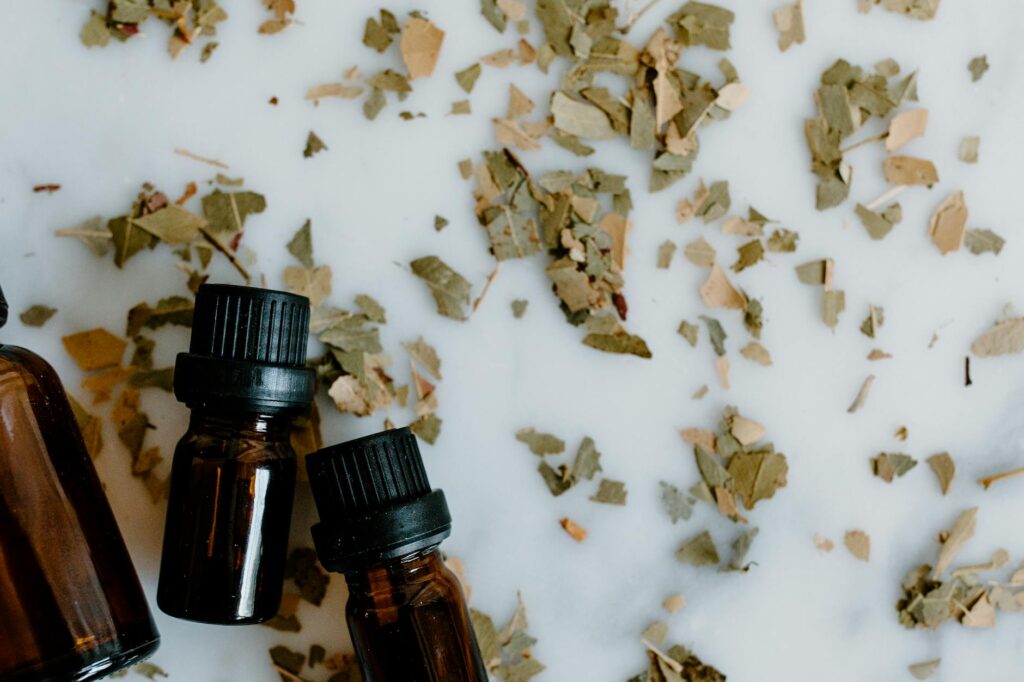
Store essential oils in dark glass bottles to protect them from light, which can degrade their quality.
2. Cool, Dry Place
Keep essential oils in a cool, dry environment, away from direct sunlight and heat sources. Extreme temperatures can affect the potency of the oils.
3. Shelf Life
While some essential oils can last for several years, others may have shorter shelf lives. Citrus oils, for example, tend to expire faster than woody or resinous oils. Generally, it is advisable to use essential oils within 1-3 years of purchase for optimal potency.
Frequently Asked Questions
1. Are herbal calming essential oil blends safe for everyone?
While many individuals can safely use calming essential oil blends, it is essential to consider personal health conditions, pregnancy, and sensitivities. Always consult with a healthcare professional if unsure.
2. Can I create my own calming essential oil blend?
Yes, creating your own blend can be a rewarding experience. Start with a base oil and add a few drops of your chosen calming oils. Always test the blend for skin sensitivity.
3. How often can I use calming essential oils?
The frequency of use depends on individual preference and sensitivity. However, it is generally advisable to use essential oils in moderation.
4. Can essential oils cause allergic reactions?
Yes, some individuals may experience allergic reactions to certain essential oils. Always perform a patch test before extensive use.
5. Are there any specific oils to avoid?
Certain oils, such as wintergreen and sage, may not be suitable for everyone, particularly pregnant individuals or those with specific health concerns. Always research the oils you plan to use.
Conclusion
Herbal calming essential oil blends offer a range of benefits for emotional and physical well-being. When used responsibly and with proper precautions, these oils can enhance relaxation, improve sleep quality, and support mental clarity. Understanding their properties, applications, and safety considerations is crucial for anyone looking to incorporate these natural remedies into their wellness routine. As with any holistic practice, it is essential to approach essential oils with respect and awareness, ensuring a safe and enjoyable experience.