
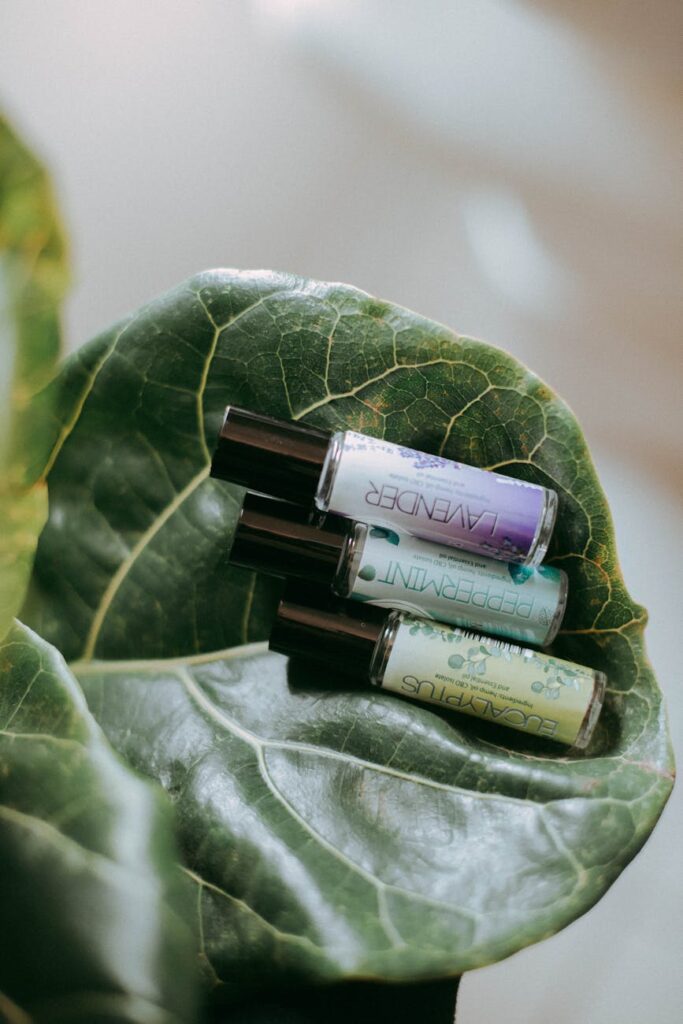
Is Herbal Essential Oil Blends Safe? Uses, Benefits, and Precautions
Introduction
Herbal essential oil blends have gained popularity in recent years for their potential therapeutic properties and aromatic benefits. These blends are composed of concentrated plant extracts, each carrying unique characteristics derived from the botanical sources. While many enthusiasts claim advantages ranging from relaxation to improved well-being, it is essential to approach their use with an understanding of safety measures, applications, and benefits. This article delves into the nature of herbal essential oil blends, their uses, properties, and considerations for safe application.
What Is Herbal Essential Oil Blends?
Herbal essential oil blends are mixtures of essential oils derived from various plants, herbs, and flowers. These oils are extracted through methods such as steam distillation, cold pressing, or solvent extraction, capturing the essence of the plant. Each essential oil possesses its own unique chemical composition, which contributes to its aromatic profile and potential benefits.
Blending essential oils involves combining different oils to create a synergistic effect, enhancing their overall properties. These blends can be tailored for specific purposes, such as relaxation, focus, or energy, and are often used in aromatherapy, massage, and personal care products.
Key Benefits and Properties
1. Mood Enhancement: Many essential oils are known for their uplifting qualities. For instance, citrus oils like lemon and orange can invigorate the senses, while floral oils like lavender may promote relaxation and calmness.
2. Stress Relief: Certain blends are formulated to alleviate stress and anxiety. Oils such as chamomile and bergamot have calming properties that can help soothe the mind.
3. Physical Well-being: Some essential oils may support physical health when used appropriately. Eucalyptus and tea tree oil, for example, are often included in blends for their potential respiratory support.
4. Skin Benefits: Herbal essential oil blends can be incorporated into skincare routines. Oils like tea tree and lavender may have antimicrobial properties, while rose oil is celebrated for its moisturizing effects.
5. Natural Insect Repellent: Blends containing oils like citronella, peppermint, and eucalyptus can deter insects, making them popular in natural pest control products.
Common Uses
Herbal essential oil blends can be employed in various ways:
1. Diffusion: Essential oils can be diffused in the air using a diffuser, allowing their aromatic molecules to fill a space. This method is popular for creating a calming environment or enhancing focus.
2. Topical Application: When diluted with a carrier oil, essential oil blends can be applied to the skin. This method is often used for massages or targeted relief.
3. Bathing: Adding essential oil blends to bathwater can create a soothing and aromatic experience, enhancing relaxation.
4. Inhalation: Inhaling essential oils directly from the bottle or using a steam inhalation method can provide immediate aromatic benefits.
5. Household Products: Many individuals incorporate essential oil blends into cleaning products for their pleasant scents and potential antibacterial properties.
Aromatherapy Applications
Aromatherapy is a holistic healing practice that utilizes the properties of essential oils to promote physical and emotional well-being. Here are some common applications of herbal essential oil blends in aromatherapy:
1. Relaxation and Sleep: Blends containing lavender, chamomile, and sandalwood can be used in bedtime routines to promote restful sleep.
2. Focus and Concentration: Oils like rosemary and peppermint are often used in blends designed to enhance mental clarity, making them suitable for study or work environments.
3. Emotional Balance: Oils such as frankincense, ylang-ylang, and bergamot can be blended to support emotional well-being and reduce feelings of tension or sadness.
4. Energy Boost: Citrus blends or invigorating oils like eucalyptus can be used when a boost of energy is needed, whether during physical activity or midday slumps.
Safety Considerations
While herbal essential oil blends can offer numerous benefits, it is crucial to prioritize safety:
1. Dilution: Essential oils are highly concentrated and should be diluted with a carrier oil (such as coconut, jojoba, or almond oil) before applying to the skin. A common dilution ratio is 2-3 drops of essential oil per teaspoon of carrier oil.
2. Patch Testing: Before applying a new blend to the skin, conduct a patch test. Apply a small amount of the diluted oil to a discreet area and wait 24 hours to check for any adverse reactions.
3. Avoiding Sensitive Areas: Keep essential oils away from sensitive areas of the body, including the eyes, mucous membranes, and broken skin.
4. Pregnancy and Nursing: Certain essential oils may not be safe for use during pregnancy or while nursing. It’s advisable to consult with a knowledgeable professional for guidance on suitable oils.
5. Children and Pets: Some essential oils can be harmful to children and pets. Always research the safety of specific oils before use in households with young children or animals.
6. Quality of Oils: Ensure that you are using high-quality, pure essential oils from reputable sources. Adulterated oils may lack therapeutic properties and could pose risks.
7. Medical Conditions: Individuals with certain medical conditions, such as asthma or epilepsy, should be cautious and consult a healthcare provider before using essential oils.
Storage and Shelf Life
Proper storage of herbal essential oil blends is essential to preserve their potency and safety. Here are some guidelines:
1. Dark Glass Containers: Store oils in dark glass bottles to protect them from light, which can degrade their quality.
2. Cool, Dry Place: Keep essential oils in a cool, dry environment, away from direct sunlight and heat sources.
3. Tightly Sealed: Ensure that bottles are tightly sealed to prevent oxidation and evaporation.
4. Shelf Life: The shelf life of essential oils varies. Citrus oils may last 1-2 years, while woody oils can last 5-10 years. Regularly check for changes in color, scent, or consistency.
Frequently Asked Questions
1. Can I use herbal essential oil blends for cooking?
While some essential oils are safe for culinary use, many are not. Always ensure that the oils are food-grade and consult resources or experts before using them in food.
2. Are there essential oils that should be avoided during pregnancy?
Yes, certain oils like sage, rosemary, and basil may not be recommended during pregnancy. It’s best to consult an expert for personalized advice.
3. Can I use essential oils on my pets?
Some essential oils can be toxic to pets. It is crucial to research pet-safe oils and consult a veterinarian for guidance.
4. How do I choose the right essential oil blend for my needs?
Consider your specific needs or goals, such as relaxation, focus, or skin care. Research blends that align with those needs, and ensure they are safe for your context.
5. Can essential oils interact with medications?
Essential oils can interact with certain medications. It is advisable to consult a healthcare provider if you are on medication and wish to use essential oils.
Conclusion
Herbal essential oil blends can offer a range of benefits when used thoughtfully and safely. Understanding their properties, applications, and safety considerations is essential for maximizing their advantages. By following proper guidelines for use and storage, individuals can enjoy the aromatic and therapeutic potential of these natural extracts while minimizing risks. As the popularity of essential oils continues to grow, ongoing education and research will contribute to their safe and effective use in everyday life.