
Is Herbal Hydrosols Safe? Uses, Benefits and Precautions
Introduction
Herbal hydrosols have gained popularity in recent years as a natural alternative to synthetic fragrances and skincare products. These aromatic waters, produced during the steam distillation of plant materials, capture the essence of the herbs, flowers, and other botanicals they are derived from. While their uses and benefits are numerous, it is essential to understand their safety, applications, and any necessary precautions to ensure a positive experience.
What Is Herbal Hydrosols?
Herbal hydrosols, also known as flower waters or distillates, are the byproducts of the steam distillation process used to extract essential oils. During distillation, steam passes through plant material, causing the volatile compounds to evaporate. As the steam cools, it condenses back into liquid form, separating the essential oil from the hydrosol. The resulting hydrosol contains water-soluble compounds, trace amounts of essential oils, and the aromatic properties of the plant.
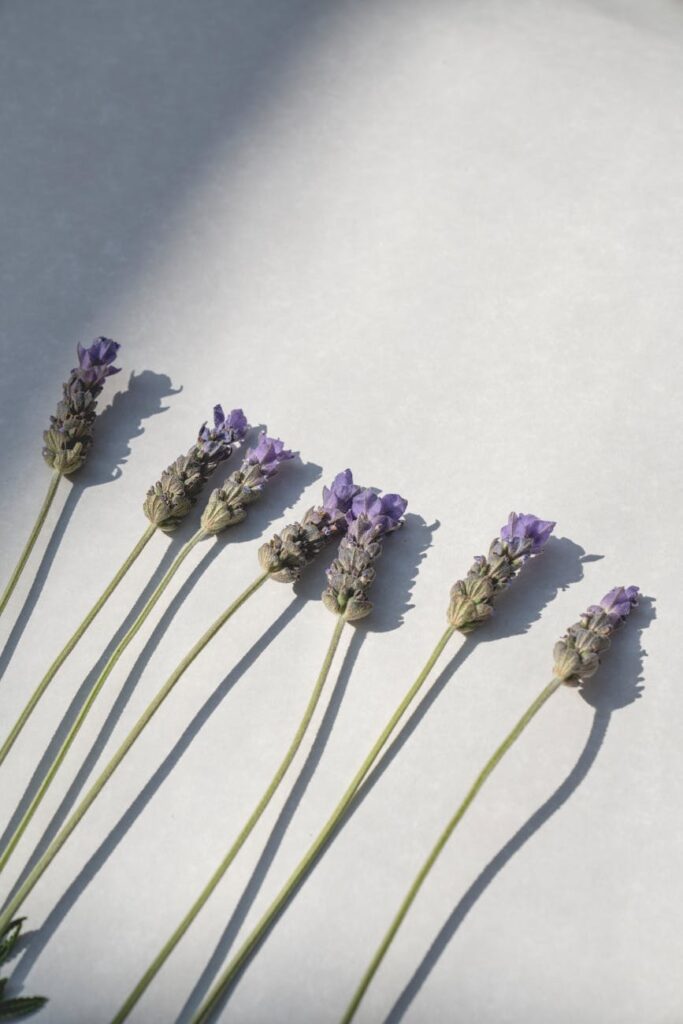
Hydrosols can be made from a variety of plants, including flowers, leaves, and roots. Examples include rose hydrosol, lavender hydrosol, and chamomile hydrosol, each offering unique scents and potential benefits.
Key Benefits and Properties
Herbal hydrosols are celebrated for their various beneficial properties, which can be attributed to the specific plants from which they are derived. Here are some key benefits associated with commonly used hydrosols:
1. Gentle and Non-irritating: Unlike essential oils, which are highly concentrated, hydrosols are milder and can be used directly on the skin without the need for dilution.
2. Aromatherapy Benefits: The subtle scent of hydrosols can enhance mood, promote relaxation, and alleviate stress. Many people use them in their daily wellness routines for their calming effects.
3. Skin Care: Hydrosols can be beneficial for the skin, providing hydration, soothing irritation, and balancing skin’s pH. They can be incorporated into skincare routines as toners or facial mists.
4. Natural Cleaners: Due to their antimicrobial properties, certain hydrosols can also serve as natural disinfectants, making them suitable for household cleaning.
5. Culinary Uses: Some hydrosols, like orange blossom or mint, can be used in culinary applications, offering a unique flavor profile to various dishes and beverages.
Common Uses
The versatility of herbal hydrosols allows for a wide range of applications:
Skincare
- Facial Mists: Hydrosols can be sprayed directly on the face for hydration or as a refreshing pick-me-up throughout the day.
- Toners: They can be used to balance the skin after cleansing, helping to remove traces of makeup and impurities.
- Hair Rinses: Hydrosols can be used as a final rinse after shampooing to impart fragrance and promote scalp health.
- Conditioning Sprays: They can be applied to damp hair for added moisture and shine.
- Room Sprays: Hydrosols can be used as natural air fresheners, providing a gentle aroma without synthetic chemicals.
- Potpourri: They can be added to potpourri mixtures to enhance scent and longevity.
- Flavoring: Hydrosols can add unique flavors to desserts, beverages, and savory dishes.
- Diffusing: Hydrosols can be diffused in a room to create a soothing atmosphere. They may not fill a space with scent as potent as essential oils, but their subtlety can be appealing.
- Bathing: Adding hydrosols to bathwater can enhance relaxation and provide beneficial properties to the skin.
- Massage: Mixed with carrier oils, hydrosols can be used in massage therapy, serving both as a fragrant addition and a skin-soothing agent.
- Container Type: Glass containers are preferable as they are less reactive than plastic.
- Preservatives: Some hydrosols may contain natural preservatives, which can enhance their shelf life.
- Storage Conditions: Exposure to sunlight and high temperatures can accelerate degradation. A cool, dark environment is ideal.
Hair Care
Home Fragrance
Culinary Uses
Aromatherapy Applications
In the realm of aromatherapy, herbal hydrosols offer a gentler alternative to essential oils. They can be used in various ways to enhance well-being:
Safety Considerations
While herbal hydrosols are generally considered safe for most individuals, there are several precautions to keep in mind:
Sensitivity Testing
Before applying a new hydrosol to the skin, it’s advisable to conduct a patch test. Apply a small amount to a discreet area and monitor for any allergic reactions or irritations over 24 hours.
Pregnancy and Nursing
Certain hydrosols may have properties that are not recommended during pregnancy or while nursing. It is always wise to consult with a healthcare professional before using any new products during these periods.
Children
While many hydrosols are safe for children, it is best to consult with a pediatrician, especially for young children or infants.
Storage and Expiry
Improper storage can lead to contamination and decreased effectiveness. Hydrosols should be stored in a cool, dark place, away from heat and sunlight. Always check for any unusual changes in color, scent, or consistency before use, as these may indicate spoilage.
Storage and Shelf Life
Herbal hydrosols typically have a shelf life of about one to two years, depending on the specific type and storage conditions. Factors that may affect their longevity include:
Frequently Asked Questions
Can hydrosols be used in place of essential oils?
Yes, hydrosols can be used as a gentler alternative to essential oils. They are less concentrated and can be applied directly to the skin.
Are hydrosols safe for all skin types?
Most hydrosols are safe for all skin types, but it is advisable to perform a patch test before widespread use, especially for sensitive skin.
How should I choose a hydrosol?
When selecting a hydrosol, consider the specific properties and benefits associated with each type. Choose high-quality, organic hydrosols that are free from additives and preservatives whenever possible.
Can hydrosols be ingested?
While some hydrosols are considered safe for culinary use, others are not intended for ingestion. It is essential to check the specific hydrosol and consult with knowledgeable sources before consuming any product.
Conclusion
Herbal hydrosols provide a safe and versatile option for those seeking natural alternatives in aromatherapy, skincare, and culinary applications. Their gentle nature and array of benefits make them an attractive choice for many. However, understanding their properties, proper usage, and safety considerations is crucial to ensuring a positive experience. By integrating hydrosols into daily routines, individuals can enjoy the enriching qualities of nature in a variety of ways.