
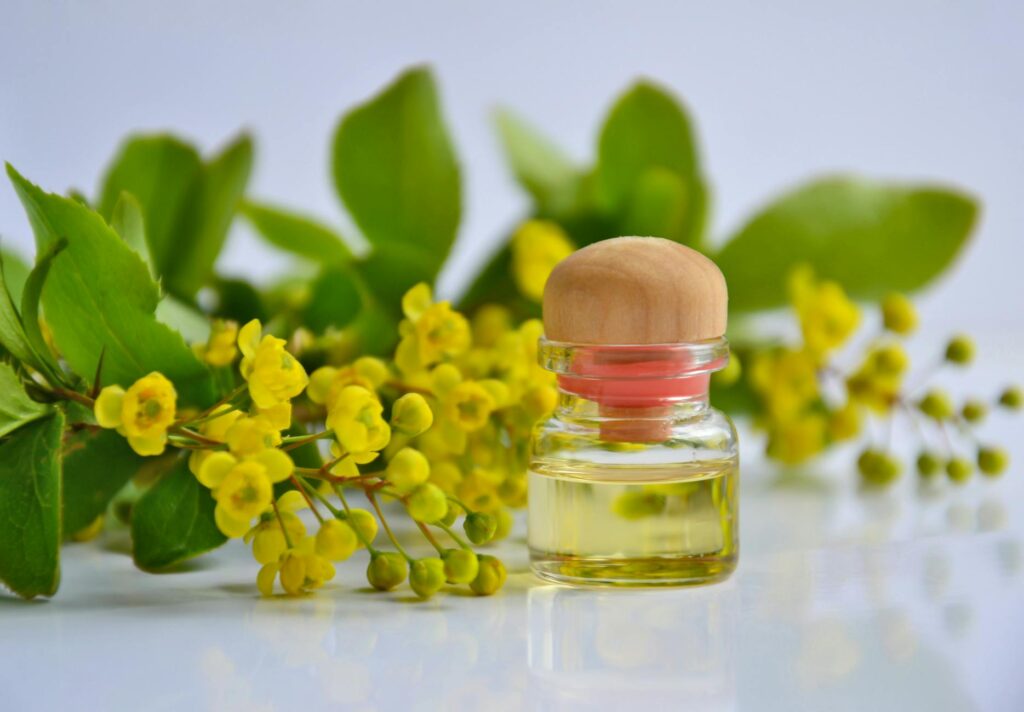
Is Herbal Infused Oils for Aromatherapy Blends Safe? Uses, Benefits and Precautions
Introduction
The rise of holistic wellness practices has led many individuals to explore the world of essential oils and aromatherapy. Among the lesser-known but equally valuable elements in this realm are herbal infused oils. These oils, which combine the properties of herbs with carrier oils, offer a unique approach to enhancing physical and emotional well-being. This article delves into the nature of herbal infused oils, their benefits, applications, and essential safety considerations.
What Is Herbal Infused Oils for Aromatherapy Blends?
Herbal infused oils are created by steeping herbs in a carrier oil, allowing the properties of the herbs to be extracted and incorporated into the oil. The infusion process can vary in duration and temperature, with the aim of drawing out the beneficial compounds from the plant material.
Carrier Oils
Carrier oils are typically derived from nuts, seeds, or fruits and serve as a base for essential oils. Common carrier oils include jojoba oil, sweet almond oil, olive oil, and grapeseed oil. Each carrier oil has its own unique properties, making it important to choose one that complements the desired effects of the herbal infusion.
The Infusion Process
There are two primary methods for infusing herbs into oils: cold infusion and hot infusion.
1. Cold Infusion: This method involves placing dried herbs in a carrier oil and allowing them to steep in a cool, dark place for several weeks. This gentle method preserves the delicate properties of the herbs.
2. Hot Infusion: In this approach, the mixture of herbs and oil is heated gently, typically in a double boiler. This method accelerates the extraction process but may alter some of the more volatile compounds.
Key Benefits and Properties
Herbal infused oils possess a variety of beneficial properties, including:
- Nutrient-Rich: The infusion process extracts vitamins, minerals, and antioxidants from the herbs, making the oil nutrient-dense.
- Anti-Inflammatory Properties: Many herbs used in infusions, such as calendula and chamomile, have natural anti-inflammatory effects, which can be beneficial for skin health and overall well-being.
- Antioxidant Effects: Certain herbs, like rosemary and thyme, contain antioxidants that help protect the body from oxidative stress.
- Emotional Support: Some herbal infused oils are believed to have calming or uplifting properties, aiding in emotional balance and mental clarity.
- Massage Oils: They can be blended with essential oils to create soothing massage oils that promote relaxation and relieve tension.
- Skin Care: Many infused oils are suitable for topical application and can help soothe irritated skin or provide hydration.
- Hair Care: Herbal infused oils can be applied to the scalp to nourish hair follicles and promote scalp health.
- Aromatherapy Blends: When combined with essential oils, herbal infused oils can add depth to aromatic blends, enhancing their therapeutic properties.
- Containers: Use dark glass bottles to protect the oils from light, which can degrade their quality.
- Cool, Dark Place: Store the oils in a cool, dark environment to extend their shelf life.
- Shelf Life: Generally, herbal infused oils can last anywhere from six months to a year, depending on the carrier oil used and the herbs infused. Always check for signs of spoilage, such as off smells or changes in color.
Common Uses
Herbal infused oils can be utilized in various ways, enhancing both topical applications and aromatherapy practices. Common uses include:
Aromatherapy Applications
In the context of aromatherapy, herbal infused oils can be used in various applications, including:
Diffusion
When blended with essential oils, herbal infused oils can be added to diffusers, filling a room with their aromatic properties. This method can help create a calming or invigorating atmosphere, depending on the herbs used.
Topical Application
Herbal infused oils can be applied directly to the skin, often mixed with a few drops of essential oils. This method is particularly effective for targeted relief, such as for sore muscles or skin irritations.
Bath Soaks
Adding herbal infused oils to bathwater can enhance relaxation. The warm water helps to release the properties of the oils, creating a luxurious and therapeutic bathing experience.
Inhalation
For a quick mood boost, a few drops of herbal infused oil can be placed on a cotton ball or tissue and inhaled. This method allows for immediate aromatic benefits without the need for a diffuser.
Safety Considerations
While herbal infused oils are generally considered safe, several precautions should be taken to ensure their proper use:
Skin Sensitivity
Before applying any herbal infused oil to the skin, it is advisable to conduct a patch test. Apply a small amount of the oil to a discreet area and wait 24 hours to check for any adverse reactions.
Quality of Ingredients
Using high-quality, organic herbs and carrier oils is crucial. Contaminated or low-quality ingredients can lead to unwanted side effects.
Allergies
Individuals with known allergies to specific herbs or plants should avoid using oils infused with those ingredients. Consulting with a knowledgeable source about the properties of the herbs is recommended.
Dilution
Herbal infused oils should be properly diluted before use, especially when combined with essential oils. A general guideline is to use a maximum of 2-3% essential oil in a blend.
Pregnancy and Nursing
Pregnant or nursing individuals should exercise caution, as some herbs may not be safe during these periods. Consulting with a healthcare professional before use is advisable.
Storage and Shelf Life
Proper storage is essential for maintaining the quality of herbal infused oils:
Frequently Asked Questions
Are herbal infused oils the same as essential oils?
No, herbal infused oils are not the same as essential oils. Herbal infused oils are created by steeping herbs in a carrier oil, while essential oils are concentrated extracts obtained through distillation or cold-pressing.
Can I make my own herbal infused oils?
Yes, making herbal infused oils at home is relatively simple and can be a rewarding endeavor. Ensure you follow safe practices and use high-quality herbs and oils.
How do I choose the right carrier oil for my herbal infusion?
Your choice of carrier oil should be based on your skin type, desired properties, and any allergies you may have. For example, jojoba oil is great for oily skin, while coconut oil is excellent for dry skin.
Can I use herbal infused oils in cooking?
While some herbal infused oils can be safe for culinary uses, caution should be exercised. Ensure that the herbs and oils used are food-safe and have not been treated with chemicals.
What is the difference between cold and hot infusion methods?
Cold infusion is a gentle method that preserves the delicate properties of herbs, while hot infusion accelerates extraction but may alter some beneficial compounds.
Conclusion
Herbal infused oils present a unique opportunity to harness the benefits of both herbs and carrier oils in the realm of aromatherapy. With their rich properties and versatile applications, these oils can enhance well-being in numerous ways. However, it is essential to prioritize safety and quality to ensure a positive experience. By understanding their uses, benefits, and precautions, individuals can safely explore the remarkable world of herbal infused oils in their aromatherapy practices.