
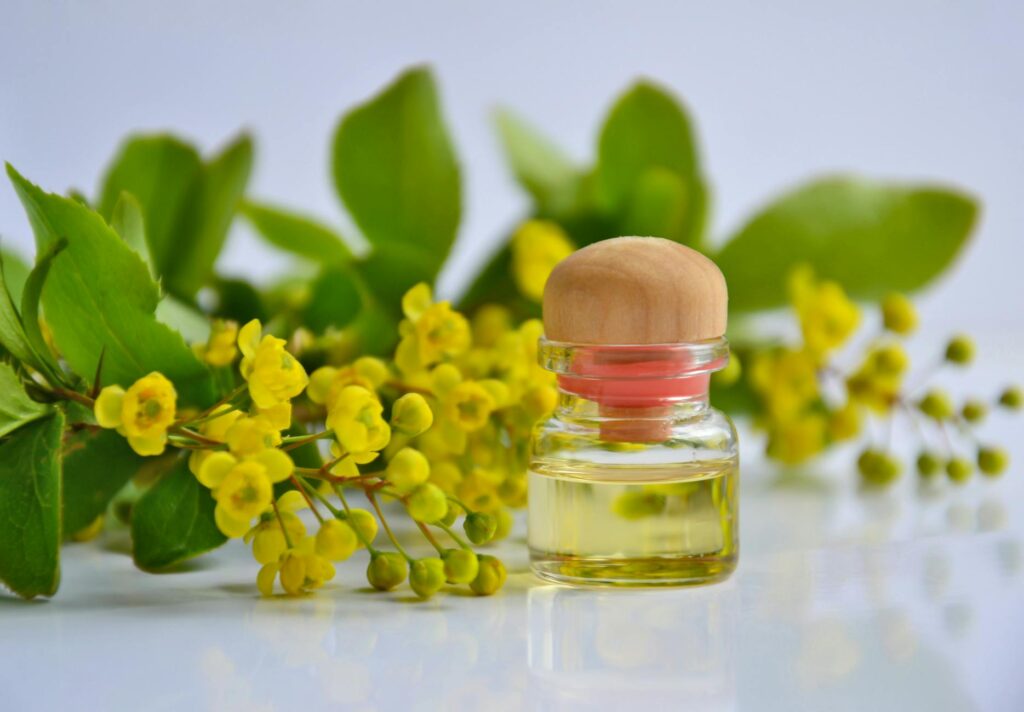
Is Herbal Infused Oils for Aromatherapy Safe? Uses, Benefits and Precautions
Introduction
Aromatherapy, a holistic healing practice that harnesses the power of aromatic plant extracts, has gained widespread popularity in recent years. Integral to this practice are herbal infused oils, which combine the properties of various herbs with carrier oils to create versatile and fragrant blends. While many people enjoy their aromatic benefits, it is essential to understand the safety, applications, and precautions associated with these oils. This article delves into the specifics of herbal infused oils for aromatherapy, exploring their uses, benefits, safety considerations, and more.
What Is Herbal Infused Oils for Aromatherapy?
Herbal infused oils are made by steeping dried herbs in a carrier oil, allowing the oil to absorb the beneficial properties and aromatic compounds of the herbs. Commonly used carrier oils include olive oil, jojoba oil, sweet almond oil, and coconut oil. The infusion process typically takes several weeks, during which the oil extracts the active components from the herbs, resulting in a fragrant oil that can be used for various applications in aromatherapy.
These infused oils can be categorized into two main types:
1. Cold infusions: Herbs are soaked in oil without heat, preserving delicate properties.
2. Heat infusions: Gentle heat is applied to accelerate the infusion process, often resulting in a more potent oil.
Key Benefits and Properties
Herbal infused oils contain a myriad of beneficial properties, largely derived from the herbs used. Some of the common benefits include:
- Antioxidant Properties: Many herbs are rich in antioxidants, which can help combat oxidative stress and promote overall well-being.
- Anti-inflammatory Effects: Certain infused oils may help reduce inflammation, making them useful for soothing muscle aches and skin irritations.
- Relaxation and Stress Relief: The aromatic compounds in herbal infused oils can have a calming effect, promoting relaxation and reducing stress levels.
- Skin Nourishment: Infused oils can provide hydration and nourishment to the skin, making them suitable for topical application.
- Antimicrobial Activity: Some herbs possess antimicrobial properties, which can help in maintaining skin health and preventing infections.
- Massage Oils: Blending infused oils with other essential oils creates soothing massage oil blends that promote relaxation.
- Skin Care: Infused oils can be applied directly to the skin to moisturize and nourish, or they can be used as a base for lotions and creams.
- Aromatherapy Diffusion: Adding a few drops of herbal infused oil to a diffuser can fill a room with delightful aromas, enhancing mood and ambiance.
- Bath Oils: A few drops of infused oil can enhance the experience of a warm bath, promoting relaxation and skin hydration.
- Hair Care: Herbal infused oils can be used as a scalp treatment or hair conditioner, providing nourishment and shine.
- Lavender: Known for its calming properties, lavender-infused oil is often used in stress relief and sleep aids.
- Peppermint: This invigorating herb is frequently used to enhance focus and alleviate headaches.
- Rosemary: Often associated with mental clarity, rosemary-infused oil can be beneficial for enhancing concentration and memory.
- Chamomile: With its soothing characteristics, chamomile-infused oil is commonly used to promote relaxation and ease tension.
- Eucalyptus: Known for its refreshing scent, eucalyptus-infused oil is often used to support respiratory health and invigorate the senses.
- Allergic Reactions: Individuals should perform a patch test before using any new infused oil to check for allergic reactions. Apply a small amount to a small area of skin and observe for any adverse reactions.
- Pregnancy and Breastfeeding: Certain herbs may not be safe for pregnant or breastfeeding individuals. It is advisable to consult a healthcare professional before using herbal infused oils in these circumstances.
- Dilution: Herbal infused oils should generally be diluted with a carrier oil, especially when applying them to the skin. A standard dilution ratio is 2-3% for topical applications.
- Quality of Ingredients: Ensure that the herbs and carrier oils are sourced from reputable suppliers. Contaminated or low-quality ingredients can pose health risks.
- Avoiding Sensitive Areas: Do not apply infused oils to sensitive areas such as around the eyes or mucous membranes.
- Cool, Dark Place: Store infused oils in a cool, dark place away from direct sunlight to prevent degradation.
- Sealed Containers: Use airtight containers, preferably dark glass bottles, to minimize exposure to air and light.
- Shelf Life: The shelf life of herbal infused oils can vary depending on the herbs used and the carrier oil. Generally, they can last from six months to one year if stored properly. It’s advisable to check for any changes in smell or appearance before use.
Common Uses
Herbal infused oils can be employed in various ways, including:
Aromatherapy Applications
The applications of herbal infused oils in aromatherapy are extensive. Some popular herbs and their potential uses include:
Safety Considerations
While herbal infused oils offer many benefits, it is crucial to approach their use with caution. Here are some safety considerations to keep in mind:
Storage and Shelf Life
Proper storage is essential for maintaining the quality and efficacy of herbal infused oils. Here are some tips for storage:
Frequently Asked Questions
1. Can I make my own herbal infused oils at home?
Yes, many individuals choose to create their own herbal infused oils at home. It’s a straightforward process involving dried herbs and a carrier oil. Ensure to follow proper procedures for infusion and storage.
2. Are herbal infused oils safe for children?
While some herbal infused oils may be safe for children, others may not be appropriate due to their potency or potential side effects. It is advisable to consult a healthcare professional before using them with children.
3. Can I use herbal infused oils for cooking?
Not typically. Herbal infused oils intended for aromatherapy may not be suitable for culinary uses, particularly if they contain essential oils or other additives not safe for ingestion.
4. How can I enhance the effectiveness of herbal infused oils?
Combining herbal infused oils with other essential oils can enhance their therapeutic properties. However, it’s important to understand the potential interactions between different oils.
5. What are some popular herbs to use in infusion?
Popular herbs for infusion include lavender, chamomile, peppermint, rosemary, and calendula. Each herb brings unique properties to the infused oil.
Conclusion
Herbal infused oils are a valuable component of aromatherapy, offering a range of benefits from relaxation to skin nourishment. While they can be safely used in various applications, it is vital to consider safety precautions, potential allergies, and proper storage methods. By understanding the properties and uses of herbal infused oils, individuals can incorporate these aromatic blends into their wellness routines effectively and safely.