
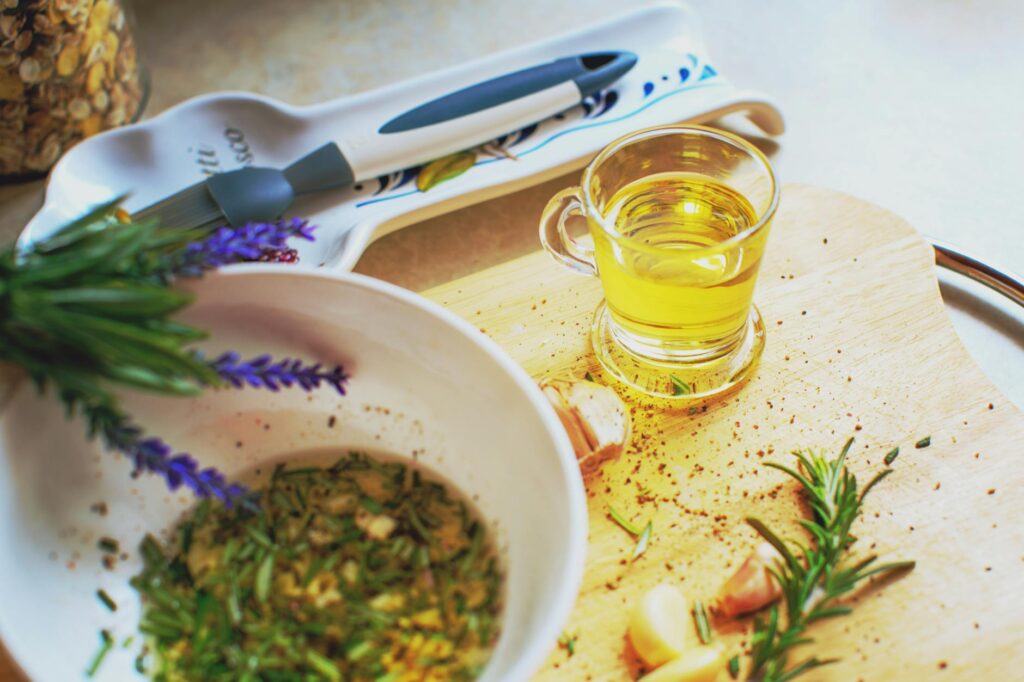
Is Herbal Infused Oils for Cooking Safe? Uses, Benefits and Precautions
Introduction
Herbal infused oils have gained popularity in recent years, particularly among culinary enthusiasts and health-conscious individuals. These oils incorporate the flavors and potential benefits of various herbs, making them versatile ingredients in the kitchen. However, with their increasing use, questions regarding their safety, efficacy, and proper methods of preparation and storage have emerged. This article aims to provide a comprehensive overview of herbal infused oils for cooking, exploring their uses, benefits, safety considerations, and more.
What Is Herbal Infused Oils for Cooking?
Herbal infused oils are oils that have been infused with the essence of herbs, allowing the flavors and properties of the herbs to permeate the oil. Common bases for herbal infusion include olive oil, grapeseed oil, and sunflower oil. The infusion process typically involves placing fresh or dried herbs in oil and allowing it to steep over a period of time, which can range from a few days to several weeks, depending on the desired strength of flavor and aroma.
The infusion process extracts essential oils, flavors, and beneficial compounds from the herbs, resulting in a richly flavored oil that can enhance a variety of dishes. Popular herbs used for infusion include basil, rosemary, thyme, garlic, and chili peppers, among others.
Key Benefits and Properties
Herbal infused oils offer several benefits that make them appealing not only for culinary purposes but also for their potential health properties. Some key benefits include:
1. Enhanced Flavor: Infused oils can elevate the taste of dishes, providing a unique flavor profile that can complement a variety of cuisines.
2. Culinary Versatility: These oils can be used in salad dressings, marinades, sautéing, or drizzling over finished dishes, making them a versatile addition to any kitchen.
3. Antioxidant Properties: Many herbs are rich in antioxidants, which can help combat oxidative stress in the body. While the infusion process may alter these properties, some beneficial compounds can still be retained.
4. Potential Anti-Inflammatory Effects: Certain herbs used in infusions, such as turmeric or ginger, are known for their anti-inflammatory properties. Though the infusion may not provide the same potency as consuming the herb directly, it can still contribute to a balanced diet.
5. Natural Preservative Qualities: Some herbs possess natural antimicrobial properties, which may help extend the shelf life of the infused oil.
Common Uses
Herbal infused oils can be used in a variety of culinary applications. Here are some common uses:
1. Dressings and Marinades: Herbal oils can serve as a flavorful base for salad dressings and marinades. For example, a basil-infused olive oil can add a fresh touch to a Caprese salad or grilled vegetables.
2. Cooking and Sautéing: The infused oil can be used for frying or sautéing, imparting additional flavor to the dish. Rosemary-infused olive oil is excellent for roasting potatoes or meats.
3. Finishing Oil: Drizzling a herbal infused oil over finished dishes, such as pasta or grilled fish, can enhance their flavor and presentation.
4. Dipping Oil: An infused oil can make a delightful dipping sauce for bread, especially when combined with balsamic vinegar for a gourmet touch.
Aromatherapy Applications
In addition to culinary uses, herbal infused oils can also be incorporated into aromatherapy practices. The aromatic properties of the infused oils may promote relaxation and well-being when used in various applications:
1. Massage Oil: Certain herbal infused oils, such as those infused with lavender or chamomile, can be used in massage to promote relaxation and relieve tension.
2. Diffusion: While generally not recommended for direct inhalation, some infused oils can be used in oil diffusers to create a pleasant aromatic environment.
3. Bath Oils: Adding herbal infused oil to bath water can create a soothing experience, allowing the aromatic properties to envelop the senses.
Safety Considerations
While herbal infused oils can be a delightful addition to culinary practices, safety considerations are paramount:
1. Herb Selection: Not all herbs are safe for consumption. It is crucial to use culinary-grade herbs and avoid those that may be toxic or harmful.
2. Infusion Method: To prevent the growth of bacteria or mold, it is advisable to infuse oils using heat or by refrigerating the oil during the infusion process. Cold infusion can be done, but it is important to monitor the oil for any signs of spoilage.
3. Shelf Life: Herbal infused oils should be used within a reasonable time frame. Generally, they can last several weeks to a few months, depending on the herb and oil used. If any off smells or discoloration occur, it is best to discard the oil.
4. Storage Conditions: Store infused oils in a cool, dark place to prevent oxidation. Glass containers with tight seals are recommended to maintain freshness.
5. Allergic Reactions: Individuals should be aware of potential allergies to specific herbs. It is wise to test a small amount before extensive use.
Storage and Shelf Life
Proper storage and understanding the shelf life of herbal infused oils are essential for maintaining their quality:
1. Storage Containers: Use dark glass bottles or jars to protect the oil from light, which can lead to rancidity. Clear containers should be avoided.
2. Temperature: Store the oil in a cool, dark place, such as a pantry or cupboard. Avoid exposure to heat sources, which can degrade the oil.
3. Duration: While infused oils can typically last from a few weeks to a few months, the precise shelf life depends on the herbs used and the method of infusion. Always check for signs of spoilage before use.
4. Refrigeration: Some infused oils may benefit from refrigeration, particularly those made with fresh herbs, to prolong their shelf life and prevent bacterial growth.
Frequently Asked Questions
Q: Can I use dried herbs for infusion?
A: Yes, dried herbs are commonly used for infusion and often yield a more concentrated flavor compared to fresh herbs.
Q: Is it safe to use herbal infused oils for frying?
A: Yes, infused oils can be used for frying; however, it is essential to monitor the temperature to prevent the oil from reaching its smoke point, which can produce harmful compounds.
Q: How can I tell if my infused oil has gone bad?
A: Signs of spoilage include off smells, cloudiness, or discoloration. If any of these signs are present, it is best to discard the oil.
Q: Can I make infused oils at home?
A: Yes, making infused oils at home is a straightforward process. Ensure you follow safe infusion methods and use high-quality ingredients.
Q: Are there any herbs I should avoid using?
A: Yes, some herbs are not safe for consumption or may cause adverse reactions. Always research the herbs you plan to use and consult reliable sources.
Conclusion
Herbal infused oils can be a flavorful and beneficial addition to cooking and aromatherapy practices. Understanding their uses, benefits, and safety considerations allows individuals to incorporate these delightful oils into their culinary repertoire confidently. With proper preparation and storage, herbal infused oils can enhance both the flavor of dishes and the overall cooking experience. Always prioritize safety and choose herbs wisely to enjoy the full benefits of these aromatic oils.