
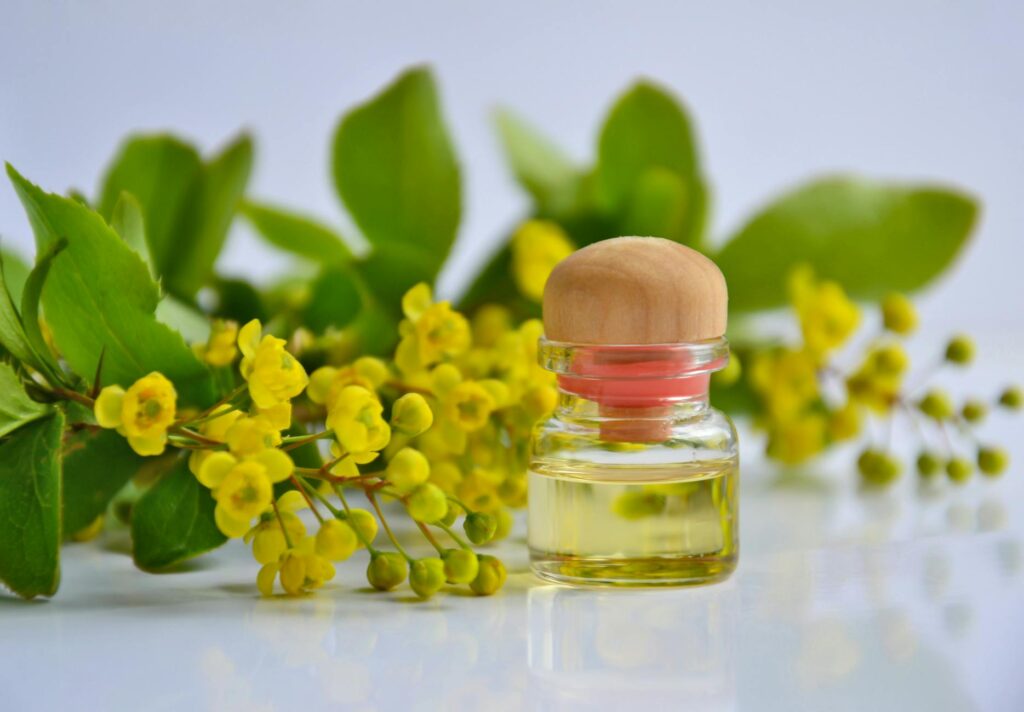
Is Herbal Infused Oils for Hair Care Safe? Uses, Benefits and Precautions
Introduction
In the realm of natural beauty and self-care, herbal infused oils have gained popularity for their potential benefits in hair care. These oils, created by steeping herbs in a carrier oil, are believed to harness the therapeutic properties of the plants, providing nourishment and enhancing the health of hair. As consumers increasingly turn to holistic alternatives, understanding the safety, uses, and benefits of herbal infused oils becomes essential. This article explores the intricacies of herbal infused oils for hair care, their applications, and the precautions necessary for safe usage.
What Is Herbal Infused Oils for Hair Care?
Herbal infused oils are created through a process of maceration, where plant materials—such as herbs, flowers, or roots—are immersed in a carrier oil. The infusion process allows the oil to extract the beneficial compounds from the plant, resulting in an infusion rich in essential nutrients, vitamins, and aromatic properties.
Common carrier oils used for herbal infusions include olive oil, coconut oil, jojoba oil, and almond oil. Each carrier oil has unique properties and can contribute to the overall effectiveness of the infusion. The resulting herbal infused oil can be utilized in various hair care applications, promoting hair health, shine, and vitality.
Key Benefits and Properties
Herbal infused oils offer a range of benefits for hair care, which are largely attributed to the properties of both the carrier oil and the herbs used in the infusion. Some of the key benefits include:
1. Nourishment: Herbal infused oils can provide essential nutrients to the hair and scalp, potentially promoting healthier hair growth and reducing the appearance of dryness and brittleness.
2. Moisture Retention: The emollient properties of carrier oils help to seal moisture in the hair, which is essential for maintaining elasticity and preventing breakage.
3. Scalp Health: Many herbs possess anti-inflammatory and antimicrobial properties that can help maintain a healthy scalp environment, reducing dandruff and irritation.
4. Natural Shine: Herbal infused oils can enhance the natural shine of hair, making it appear healthier and more vibrant.
5. Aromatic Benefits: The aromatic compounds in the infused herbs can provide a soothing sensory experience, contributing to overall well-being during hair care routines.
Common Uses
Herbal infused oils can be employed in various ways to enhance hair care routines:
1. Pre-Shampoo Treatment: Applying herbal infused oil to the hair and scalp before shampooing can provide deep conditioning and nourishment, helping to prepare the hair for cleansing.
2. Leave-In Conditioner: A small amount of infused oil can be used as a leave-in conditioner to add moisture and shine, especially for dry or frizzy hair.
3. Scalp Massage: Massaging herbal infused oil into the scalp can stimulate blood circulation, promoting hair growth and providing relaxation.
4. Hot Oil Treatment: Gently heating the infused oil and applying it as a hot oil treatment can enhance its penetrative properties, providing deep nourishment and hydration.
5. Hair Serum: Herbal infused oils can be used as a finishing serum to tame frizz and add shine to styled hair.
Aromatherapy Applications
In addition to their practical uses in hair care, herbal infused oils may also be used in aromatherapy. The scents of the herbs used in the infusions can provide emotional and psychological benefits, contributing to relaxation and stress relief. For example:
- Lavender Infused Oil: Known for its calming properties, lavender infused oil may help alleviate stress and promote a sense of tranquility during hair care rituals.
- Peppermint Infused Oil: The invigorating scent of peppermint can enhance alertness and stimulate the senses, making it a refreshing choice for morning routines.
- Use Dark Glass Containers: Dark glass bottles help protect the oil from light exposure, which can degrade its quality over time.
- Keep in a Cool Environment: Store the infused oil in a cool, dark place, away from direct sunlight and heat sources.
- Check for Signs of Spoilage: Regularly inspect the oil for changes in color, odor, or consistency. If any signs of rancidity are present, it is best to discard the oil.
Incorporating these oils into aromatherapy practices can elevate the experience of hair care, transforming it into a holistic ritual.
Safety Considerations
While herbal infused oils can offer numerous benefits, it is crucial to approach their use with caution. Here are some safety considerations to keep in mind:
1. Patch Test: Before using an herbal infused oil for the first time, conduct a patch test by applying a small amount to a discreet area of skin. Wait 24 hours to check for any allergic reactions or sensitivities.
2. Quality of Ingredients: Ensure that the herbs and carrier oils used are of high quality and free from additives or contaminants. Organic and cold-pressed oils are often recommended.
3. Dilution: Depending on the concentration of the herbs used in the infusion, it may be advisable to dilute the infused oil with a carrier oil before applying it to the scalp or hair.
4. Pregnancy and Allergies: Certain herbs may not be suitable for pregnant individuals or those with specific allergies. It is advisable to consult with a qualified professional if there are any concerns.
5. Storage: Proper storage is essential to prevent spoilage. Herbal infused oils should be stored in a cool, dark place in airtight containers to maintain their potency.
Storage and Shelf Life
The shelf life of herbal infused oils depends on several factors, including the type of carrier oil used, the herbs infused, and the storage conditions. Generally, infused oils can last anywhere from six months to two years if stored properly.
To maximize the shelf life:
Frequently Asked Questions
1. Can I make herbal infused oils at home?
Yes, herbal infused oils can be made at home using dried herbs and carrier oils. The process typically involves steeping the herbs in the oil for several weeks while allowing the beneficial compounds to infuse.
2. Which herbs are best for hair care?
Common herbs used for hair care include rosemary, lavender, chamomile, hibiscus, and nettle. Each herb has unique properties that can benefit hair health in different ways.
3. How often should I use herbal infused oils on my hair?
The frequency of use can vary based on individual hair needs. Generally, using herbal infused oils once or twice a week as a treatment can be beneficial, but it is essential to listen to your hair’s needs.
4. Are there any side effects of using herbal infused oils?
While generally safe, some individuals may experience allergic reactions or sensitivities to certain herbs. Conducting a patch test before widespread use is advisable.
5. Can herbal infused oils replace traditional hair care products?
Herbal infused oils can complement traditional hair care products, but they may not fully replace them. It is essential to find a balance that works for your hair type and needs.
Conclusion
Herbal infused oils represent a natural and holistic approach to hair care, offering a plethora of benefits derived from the power of plants. With their ability to nourish, moisturize, and enhance scalp health, these oils can be a valuable addition to any hair care routine. However, it is crucial to consider safety precautions and storage practices to ensure their efficacy and longevity. By understanding how to use herbal infused oils responsibly, individuals can embrace the wisdom of nature in their pursuit of healthy, vibrant hair.