
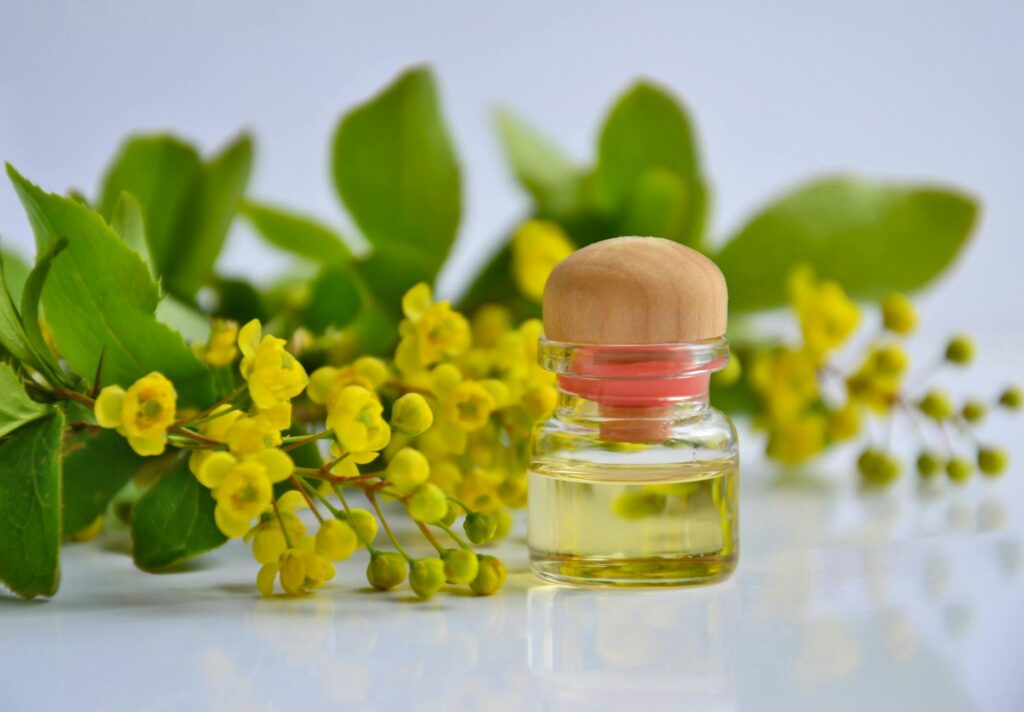
Is Herbal Infused Oils for Skincare Safe? Uses, Benefits and Precautions
Introduction
As the global demand for natural skincare solutions continues to rise, herbal infused oils have gained significant popularity in the realm of beauty and wellness. These oils are created by infusing carrier oils with the essence of various herbs, offering a unique blend of therapeutic properties and aromatic benefits. This article aims to explore the safety, applications, benefits, and precautions associated with herbal infused oils for skincare.
What Is Herbal Infused Oils for Skincare?
Herbal infused oils are oils that have been steeped with dried herbs, flowers, or plant materials to extract their beneficial properties. The process of infusion involves combining a carrier oil—such as olive oil, jojoba oil, or almond oil—with herbs, allowing the oil to absorb the active compounds and essential oils from the plant materials over time. The result is a versatile oil that can be used for various skincare applications.
Common Carrier Oils Used
- Olive Oil: Rich in antioxidants and vitamins, it is often used for its moisturizing properties.
- Jojoba Oil: Similar to human sebum, making it an excellent choice for all skin types.
- Sweet Almond Oil: Known for its nourishing and soothing qualities, ideal for sensitive skin.
Key Benefits and Properties
Herbal infused oils offer a range of benefits that can enhance skincare routines. While the specific properties will depend on the herbs used, some common benefits include:
Moisturizing
Many herbal infused oils have excellent emollient properties, helping to hydrate and soften the skin. Oils like calendula or chamomile-infused oil can be particularly soothing for dry or irritated skin.
Antioxidant Properties
Herbs such as rosemary and green tea are known for their high antioxidant content, which helps to combat oxidative stress and protect the skin from environmental damage.
Anti-Inflammatory Effects
Certain herbs, like lavender and calendula, possess anti-inflammatory properties that may help to calm redness and irritation, making them suitable for sensitive skin conditions.
Antibacterial and Antifungal Properties
Herbal infused oils can have natural antibacterial and antifungal qualities, which may contribute to clearer skin by helping to prevent breakouts and infections.
Aromatherapy Benefits
In addition to their skincare properties, these oils often carry the fragrance of the infused herbs, providing a sensory experience that can promote relaxation and well-being.
Common Uses
Herbal infused oils can be utilized in a multitude of skincare applications, including:
Moisturizers
Used alone or mixed with other products, herbal infused oils can provide deep hydration and nourishment for the skin.
Massage Oils
These oils can be blended with other essential oils to create custom massage blends, enhancing relaxation and promoting skin health.
Facial Serums
A few drops of herbal infused oil can be added to a skincare routine to target specific concerns, such as dryness or uneven skin tone.
Hair Care
Herbal infused oils can also be used to nourish the scalp and hair, promoting shine and reducing dryness.
Aromatherapy Applications
In aromatherapy, herbal infused oils can be used for their olfactory properties. The aromatic compounds released during the infusion process can enhance mood and well-being. Some common applications include:
Diffusion
Herbal infused oils can be added to diffusers to create an uplifting or calming atmosphere in a room.
Bath Oils
Adding herbal infused oils to a warm bath can enhance relaxation and provide skin benefits simultaneously.
Inhalation
Inhaling the aroma of herbal infused oils can provide a sense of calm and may help alleviate stress and anxiety.
Safety Considerations
While herbal infused oils are generally considered safe for topical use, there are important precautions to keep in mind:
Skin Sensitivity
Before using any herbal infused oil, it is advisable to perform a patch test. Apply a small amount to a discreet area of skin and wait 24 hours to check for any adverse reactions.
Quality of Ingredients
Ensure that the carrier oil and herbs used are of high quality. Organic and unrefined options are typically preferred to minimize exposure to pesticides and additives.
Avoiding Photosensitivity
Some herbs, like bergamot, can cause photosensitivity. Avoid sun exposure after applying products containing these herbs.
Dilution
Herbal infused oils should be used in moderation and often diluted with a carrier oil, especially for sensitive areas such as the face.
Consultation with Professionals
While this article does not provide medical advice, consulting with a skincare professional or herbalist can be beneficial, particularly for individuals with existing skin conditions or allergies.
Storage and Shelf Life
Proper storage is essential for maintaining the quality and efficacy of herbal infused oils. Here are some guidelines:
Container
Use dark glass bottles to protect the oil from light, which can degrade its quality.
Cool, Dark Place
Store the oils in a cool, dark place to prevent oxidation and prolong shelf life.
Shelf Life
Generally, herbal infused oils can last from six months to one year, depending on the carrier oil and the herbs used. Regularly check for any changes in color, smell, or consistency, which may indicate spoilage.
Frequently Asked Questions
Can I make my own herbal infused oils at home?
Yes, making herbal infused oils at home is a straightforward process. It typically involves combining dried herbs with a carrier oil and allowing the mixture to steep for a few weeks.
How long should I infuse the herbs in the oil?
The infusion time can vary based on the herbs used, generally ranging from two weeks to six weeks. The longer the infusion, the more potent the oil may become.
Are there any herbs to avoid in skincare?
While many herbs are safe for topical use, some may cause irritation or allergic reactions. It is important to research specific herbs and consult with a professional if unsure.
Can I use herbal infused oils on my face?
Yes, but it is essential to choose oils suitable for facial use and to perform a patch test first. Some oils may be too heavy or comedogenic for facial skin.
Are herbal infused oils suitable for all skin types?
While many people can benefit from herbal infused oils, those with specific skin concerns or sensitivities should proceed with caution and seek professional advice.
Conclusion
Herbal infused oils represent a rich tradition of natural skincare, providing a plethora of benefits through their unique properties and aromatic qualities. By understanding their uses, benefits, and safety precautions, individuals can make informed choices about incorporating these oils into their skincare routines. Always remember to prioritize quality, perform patch tests, and consult with professionals when necessary to ensure a safe and enjoyable experience.