
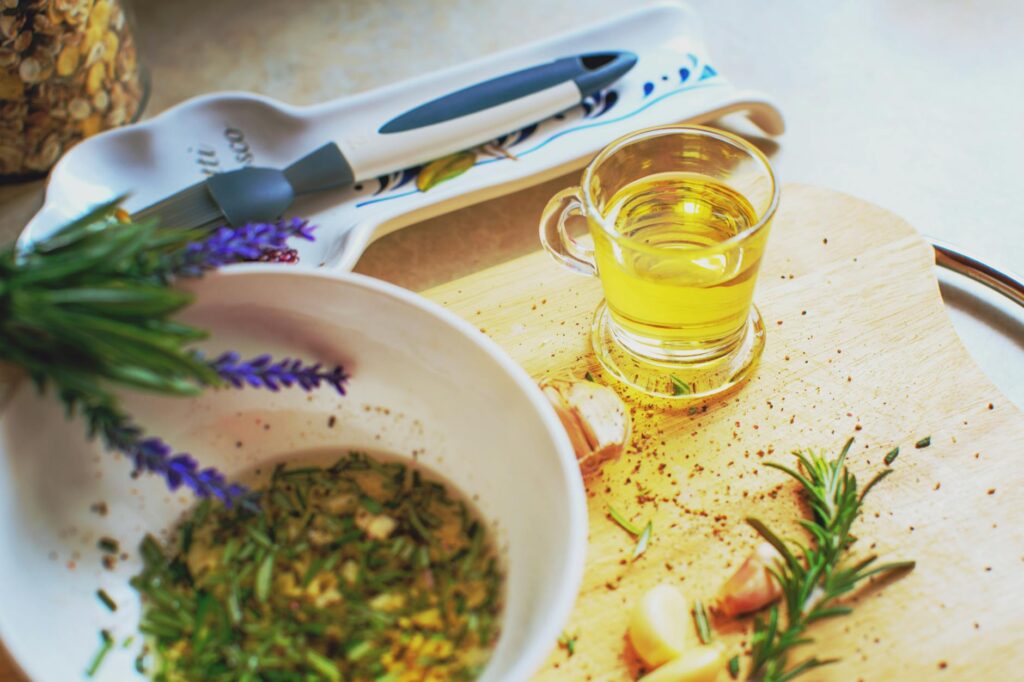
Is Herbal Infused Salts for Culinary Use Safe? Uses, Benefits, and Precautions
Introduction
Herbal infused salts have gained popularity as a flavorful addition to culinary practices. These salts combine the mineral-rich properties of salt with the aromatic and therapeutic qualities of various herbs. As interest in holistic cooking and natural flavor enhancers grows, understanding the safety and applications of herbal infused salts is essential. This article explores what herbal infused salts are, their benefits, common uses, aromatic applications, safety considerations, and how to properly store them.
What Is Herbal Infused Salts for Culinary Use?
Herbal infused salts are salts that have been blended or infused with herbs, spices, or other botanicals. The infusion process can involve steeping herbs in salt or simply mixing dried herbs into salt. Common types of salt used include sea salt, Himalayan pink salt, and kosher salt. The resulting blend not only enhances the flavor of dishes but also offers aromatic qualities that can elevate the overall culinary experience.
Types of Herbal Infusions
1. Dried Herbs: Common choices include rosemary, thyme, basil, and oregano. These can be mixed directly into salt for a simple infusion.
2. Fresh Herbs: Fresh herbs can be macerated with salt to create a more potent infusion, though these blends typically require refrigeration.
3. Spices: Ingredients like garlic, ginger, or chili can also be included in herbal salt blends, adding unique flavor profiles.
Key Benefits and Properties
Herbal infused salts offer several benefits that extend beyond simple flavor enhancement:
Flavor Enhancement
The primary benefit of herbal infused salts is the depth of flavor they bring to dishes. The combination of salt and herbs can transform simple meals into gourmet experiences.
Nutritional Properties
While the primary purpose of salt is flavor, certain herbs used in the infusion can provide nutritional benefits. For instance, herbs like parsley and dill contain vitamins and minerals, contributing additional healthful properties to the salt.
Aromatic Qualities
In addition to their culinary uses, the aromatic qualities of the herbs can add a sensory dimension to cooking. The scent of fresh or dried herbs can enhance the overall dining experience.
Versatility
Herbal infused salts can be used in a variety of culinary applications, making them a versatile addition to any kitchen. They can be sprinkled on meats, vegetables, or incorporated into sauces and dressings.
Common Uses
Herbal infused salts can be utilized in numerous culinary applications, enhancing both flavor and presentation:
Seasoning Dishes
Infused salts can be used as a finishing salt sprinkled over dishes like roasted vegetables, grilled meats, or pasta. They can elevate the flavor profile and add a touch of color.
Marinades and Rubs
Incorporating herbal infused salts into marinades or rubs can impart flavor to proteins such as chicken, fish, or tofu. The salt not only adds seasoning but also helps in tenderizing the meat.
Baking
Herbal infused salts can add an unexpected twist to baked goods. A sprinkle of rosemary salt on focaccia or garlic salt in bread dough can enhance flavor.
Salad Dressings
Mixing herbal infused salts into vinaigrettes or salad dressings can provide a burst of flavor without the need for additional herbs.
Cooking Grains
When cooking grains such as rice or quinoa, adding herbal infused salt to the boiling water can enhance the flavor of the grains themselves.
Aromatherapy Applications
While primarily used in culinary settings, herbal infused salts can also have aromatic applications. The essential oils and aromatic compounds from the herbs can be released into the air when the salts are heated.
Culinary Aromatherapy
Using herbal infused salts in culinary practices can create an aromatic environment in the kitchen. The scents released during cooking can enhance the overall cooking experience and stimulate appetite.
Bath Salts
Certain herbal infused salts can be used in bathing rituals, promoting relaxation and a sensory experience. However, it is crucial to ensure that the herbs used are safe for skin contact.
Safety Considerations
While herbal infused salts are generally safe for culinary use, there are several important safety considerations to keep in mind:
Quality of Ingredients
Using high-quality, organic herbs and pure salts is essential to avoid contaminants and ensure safety. Poor-quality ingredients may contain pesticides or additives that could be harmful.
Allergies and Sensitivities
Individuals with allergies to specific herbs should exercise caution when using herbal infused salts. It is advisable to check labels or recipes carefully to avoid allergens.
Dosage
Moderation is key when using any type of salt, including herbal infused salts. Excessive salt intake can lead to health concerns, including hypertension.
Storage
Proper storage of herbal infused salts is vital to maintaining their quality and safety. Moisture can lead to clumping or spoilage, while exposure to light can degrade the herbal properties.
Storage and Shelf Life
To maintain the flavor and safety of herbal infused salts, proper storage is essential:
Air-tight Containers
Store herbal infused salts in air-tight containers to prevent moisture absorption and to preserve their aromatic properties. Glass jars with tight-fitting lids are ideal.
Cool, Dark Place
Keep the containers in a cool, dark place away from direct sunlight. This helps to maintain the potency of the herbs and prevents the salt from clumping.
Shelf Life
The shelf life of herbal infused salts depends on the type of herbs used and storage conditions. Generally, they can last anywhere from six months to a year. However, always check for signs of spoilage, such as off smells or changes in texture.
Frequently Asked Questions
Can I make herbal infused salts at home?
Yes, making herbal infused salts at home is a straightforward process. Simply mix your choice of dried herbs with salt and store in an air-tight container.
Are all herbs safe for infusion in salt?
Not all herbs are safe for culinary use. It’s essential to research and ensure that the herbs you choose are edible and safe for consumption.
How do I use herbal infused salts in cooking?
You can use herbal infused salts in a variety of ways, including as a seasoning for meats, in marinades, in baking, or sprinkled over salads. The versatility allows for creative culinary applications.
Can I use fresh herbs for making infused salts?
Yes, fresh herbs can be used, but they may require refrigeration and have a shorter shelf life. Dried herbs are generally more stable and easier to store.
What should I do if I experience an allergic reaction?
If you suspect an allergic reaction to any herbs used in infused salts, discontinue use immediately and consult a medical professional.
Conclusion
Herbal infused salts offer a flavorful and aromatic addition to culinary practices, elevating meals while providing potential nutritional benefits. With a variety of uses and the ability to enhance sensory experiences, these salts can be a valuable asset in any kitchen. However, it is crucial to consider safety and quality to ensure a positive culinary experience. By understanding how to make, use, and store herbal infused salts, you can enjoy their full benefits while minimizing any risks.