
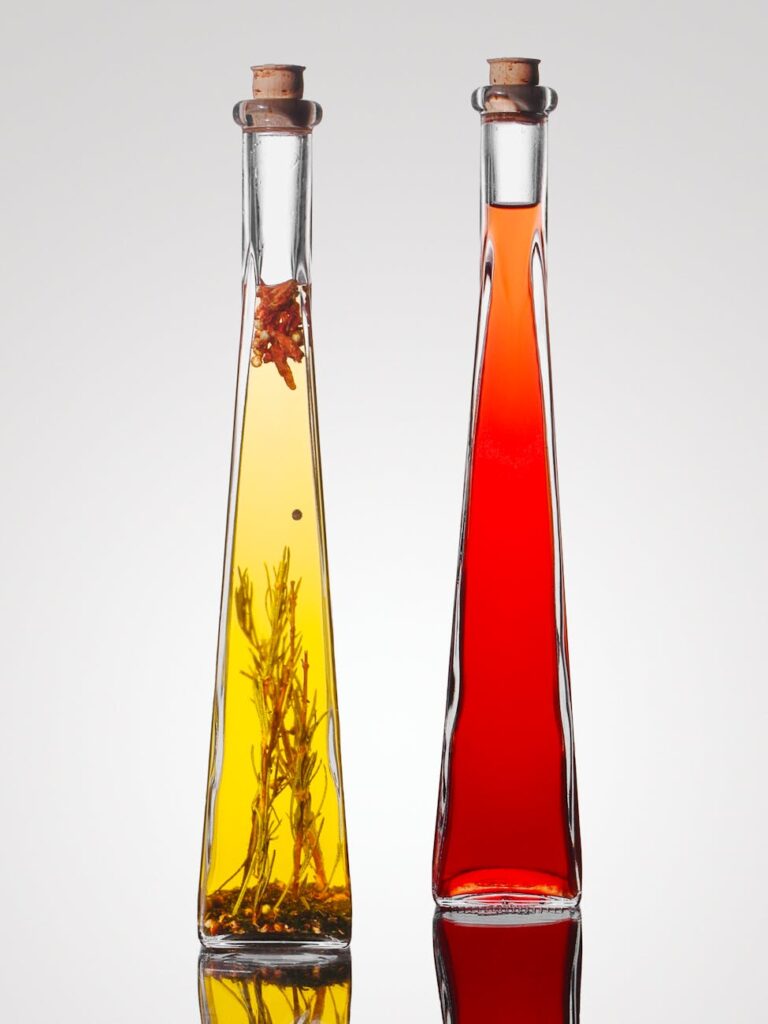
Is Herbal Infused Vinegars for Beauty Benefits Safe? Uses, Benefits and Precautions
Introduction
Herbal infused vinegars have gained popularity in recent years, particularly within the realms of DIY beauty and holistic wellness. These vinegars, which combine the acetic properties of vinegar with the therapeutic qualities of various herbs, offer a unique approach to personal care. This article explores the safety, uses, benefits, and precautions associated with herbal infused vinegars as beauty aids, providing a comprehensive understanding for those interested in incorporating them into their beauty routines.
What Is Herbal Infused Vinegars for Beauty Benefits?
Herbal infused vinegars are created by steeping herbs, flowers, or even fruits in vinegar, allowing the active compounds of the botanicals to infuse into the liquid. The most commonly used vinegars for this purpose include apple cider vinegar, white vinegar, and rice vinegar, each bringing its own unique properties.
The infusion process typically lasts anywhere from a few days to several weeks, depending on the desired strength of flavor and potency. Common herbs used for infusion include rosemary, lavender, calendula, chamomile, and nettle, each contributing its distinct characteristics to the final product.
Key Benefits and Properties
Herbal infused vinegars boast a variety of benefits that make them appealing for beauty routines:
1. Antimicrobial Properties: Many herbs possess natural antimicrobial properties, which can help in cleansing the skin and scalp.
2. pH Balancing: Vinegar has a naturally acidic pH that can help to balance the skin’s own pH levels, promoting overall skin health.
3. Astringent Qualities: The acetic acid in vinegar can act as a natural astringent, helping to tighten and tone the skin while reducing the appearance of pores.
4. Nutrient-Rich: Infused vinegars can carry vitamins, minerals, and antioxidants from the herbs, enhancing their beauty benefits.
5. Soothing Effects: Many herbal infusions have calming properties that can alleviate irritation and redness, making them suitable for sensitive skin.
Common Uses
Herbal infused vinegars can be used in various beauty applications, including:
1. Hair Care
- Hair Rinse: After shampooing, a diluted herbal vinegar rinse can remove product buildup and enhance shine. This is particularly effective with apple cider vinegar infused with herbs like rosemary or lavender.
- Facial Toner: A diluted solution of herbal infused vinegar can be used as a natural toner, helping to minimize pores and balance oily skin types.
- Relaxing Bath: Adding herbal infused vinegar to a warm bath can provide a soothing experience while nourishing the skin.
- Refreshing Foot Bath: Infused vinegar can help to revive tired feet and combat odor when used in a foot soak.
- Soothing Compress: A diluted solution can be applied to insect bites to help alleviate itching and irritation.
- Natural Air Freshener: A mixture of herbal infused vinegar and water can be used in a spray bottle to create a natural air freshener.
- Aromatherapy Inhalation: Adding a few drops of herbal infused vinegar to a bowl of hot water can create a steam inhalation that may help with relaxation and stress relief.
- Massage Blend: When diluted properly, herbal infused vinegar can be incorporated into massage oils, providing both aromatherapy and skin benefits.
- Patch Test: Always perform a patch test before using a new herbal infused vinegar on the skin, as some individuals may have sensitivities or allergic reactions.
- Dilution Required: Vinegar is highly acidic and should be diluted with water before applying it to the skin or hair to prevent irritation.
- Source High-Quality Ingredients: Use organic herbs and quality vinegar to minimize exposure to pesticides and chemicals.
- Eye Safety: Take care to avoid contact with the eyes, as the acidity may cause irritation.
- Seek Expert Advice: If you have specific skin concerns or conditions, consider consulting a dermatologist or skincare professional before using herbal infused vinegars.
- Store the infused vinegar in a dark glass bottle in a cool, dark place to protect it from light and heat, which can degrade its properties.
- Clearly label the bottle with the infusion date and the herbs used to track freshness.
- While herbal infused vinegars can last for several months when stored properly, it’s advisable to use them within 6-12 months for optimal benefits.
2. Skin Toning
3. Bath Soak
4. Foot Soak
5. Insect Bite Relief
Aromatherapy Applications
In addition to their beauty benefits, herbal infused vinegars can also play a role in aromatherapy:
1. Scented Room Spray
2. Inhalation
3. Massage Oil Diluent
Safety Considerations
While herbal infused vinegars can be beneficial, it is crucial to observe certain safety precautions:
1. Skin Sensitivity
2. Dilution
3. Quality of Ingredients
4. Avoiding Eye Contact
5. Consult a Professional
Storage and Shelf Life
Proper storage of herbal infused vinegars is essential for maintaining their potency and safety:
1. Dark, Cool Place
2. Labeling
3. Shelf Life
Frequently Asked Questions
1. Can I use any kind of vinegar for herbal infusions?
Yes, you can use different types of vinegar, including apple cider vinegar, white vinegar, and rice vinegar. Each type brings its own benefits and flavor.
2. How do I make herbal infused vinegar at home?
To make herbal infused vinegar at home, fill a clean jar with your chosen herbs and cover them with vinegar. Seal the jar and let it steep in a cool, dark place for 1-4 weeks, shaking it gently every few days. Strain the liquid into a clean bottle for storage.
3. Are there any herbs I should avoid?
While many herbs are safe for infusion, it’s best to avoid toxic plants or those known to cause allergic reactions. Always do your research before using new herbs.
4. How should I dilute herbal infused vinegar for use?
A common dilution ratio is 1 part infused vinegar to 3 parts water for skin applications and hair rinses, but this can be adjusted based on individual sensitivity.
5. Can I use herbal infused vinegar on all skin types?
While many people find herbal infused vinegars beneficial, those with very sensitive skin or specific skin conditions should exercise caution and consult a professional.
Conclusion
Herbal infused vinegars offer a versatile and natural approach to beauty and personal care. Their unique properties can enhance skincare and haircare routines while providing additional aromatherapy benefits. However, it is essential to consider safety precautions, proper storage, and individual sensitivities. By understanding the uses, benefits, and precautions associated with herbal infused vinegars, you can make informed choices that align with your beauty and wellness goals.