
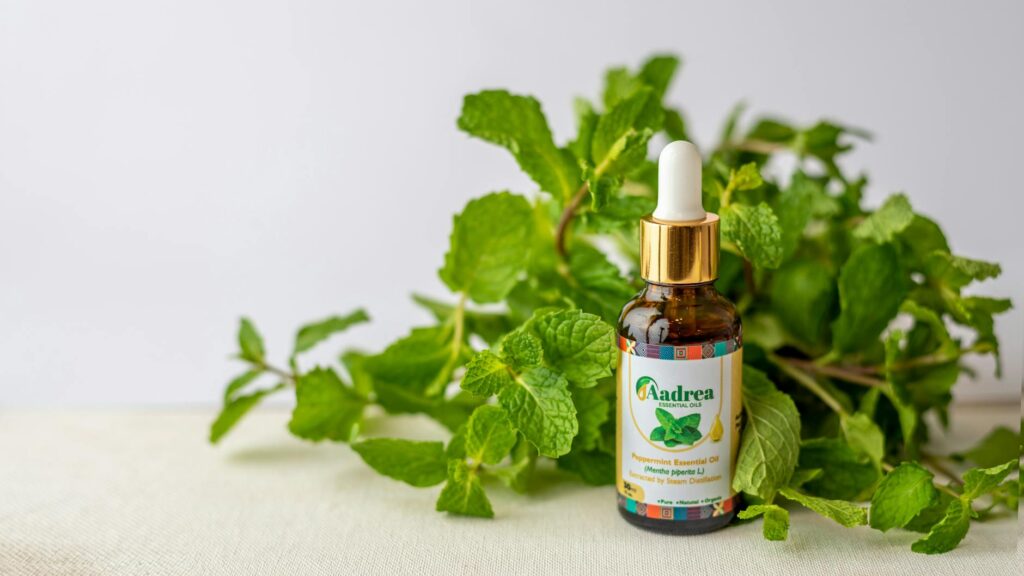
Is Herbal Infusions Safe? Uses, Benefits, and Precautions
Introduction
Herbal infusions have gained significant popularity in recent years, particularly in the realms of holistic health and wellness. These preparations not only offer a myriad of flavors and aromas but also promise various benefits attributed to the natural compounds found in plants. However, it is crucial to understand the safety, uses, and precautions associated with herbal infusions, especially as they become more integrated into everyday health routines.
What Is Herbal Infusion?
An herbal infusion is a method of extracting the beneficial compounds from herbs, leaves, flowers, or seeds by steeping them in hot water. This process is akin to brewing tea, where the hot water acts as a solvent, drawing out the essential oils, vitamins, minerals, and other phytochemicals present in the plant material.
To prepare an herbal infusion, one typically follows these steps:
1. Select the Herbs: Choose fresh or dried herbs based on their intended benefits.
2. Measure: Use approximately 1 tablespoon of dried herbs or 2 tablespoons of fresh herbs per cup of water.
3. Boil Water: Bring water to a boil and then allow it to cool slightly.
4. Steep: Pour the hot water over the herbs and let them steep for 5-15 minutes, depending on the desired strength.
5. Strain: Remove the plant material, and your herbal infusion is ready for consumption or use.
Herbal infusions can be enjoyed hot or cold, making them versatile for various occasions.
Key Benefits and Properties
The benefits of herbal infusions vary significantly depending on the herbs used. Some of the key properties include:
- Nutritional Value: Many herbs are rich in vitamins and minerals. For instance, nettle leaves are high in Vitamin C, while dandelion is known for its potassium content.
- Antioxidant Properties: Numerous herbs, such as hibiscus and green tea, are rich in antioxidants that can help combat oxidative stress in the body.
- Relaxation and Stress Relief: Chamomile and lavender are commonly used for their calming properties, promoting relaxation and aiding sleep.
- Digestive Support: Herbs like peppermint and ginger are often infused for their ability to soothe digestive issues.
- Anti-inflammatory Effects: Some infusions may contain anti-inflammatory compounds that can help alleviate discomfort in the body.
- Beverages: The most common use is as a soothing drink, enjoyed hot or iced. Infusions can serve as a caffeine-free alternative to traditional tea or coffee.
- Culinary Applications: Infusions can be used as bases for soups, sauces, or salad dressings, imparting unique flavors and health benefits.
- Skincare: Certain herbal infusions, like calendula or chamomile, may be used in skincare products or as rinses to soothe the skin.
- Household Uses: Infusions can also serve as natural cleaning agents or air fresheners when combined with vinegar or other natural solvents.
- Aromatherapy: When used in diffusers or steam inhalation, herbal infusions can enhance the atmosphere and promote emotional well-being.
- Inhalation: The steam from a hot herbal infusion can be inhaled for respiratory benefits, especially with herbs like eucalyptus or peppermint.
- Diffusion: Infusions can be used in diffusers, though they should be used carefully as they may not evaporate like essential oils.
- Topical Application: Infused oils can be created by combining herbal infusions with carrier oils, allowing for topical applications that harness both the aroma and therapeutic properties of the herbs.
- Allergic Reactions: Some individuals may experience allergic reactions to certain herbs. It is advisable to perform a patch test or consult an expert if trying a new herb for the first time.
- Pregnancy and Nursing: Certain herbs may not be safe for pregnant or nursing women. It is essential to research each herb thoroughly or consult a healthcare professional.
- Interactions with Medications: Some herbs can interact with prescription or over-the-counter medications. For instance, St. John’s Wort may interfere with antidepressants. Always consult a healthcare provider if you are on medication.
- Dosage: Consuming excessive amounts of certain herbs may lead to adverse effects. Moderation is key, and following recommended guidelines is essential.
- Quality of Herbs: The source and quality of the herbs used in infusions can impact their safety. Always opt for reputable sources to avoid contaminants.
- Storage: Store herbal infusions in a cool, dark place in airtight containers. Glass jars are preferable to plastic, as they do not leach chemicals.
- Shelf Life: Fresh herbal infusions should ideally be consumed within 24 hours if stored in the refrigerator. Dried herbal infusions can last several months when kept in optimal conditions.
- Freezing: For long-term storage, herbal infusions can be frozen in ice cube trays and used as needed.
While each herb has its unique properties, it is essential to research and understand which ones align with your personal wellness goals.
Common Uses
Herbal infusions can be employed in various ways, including:
Aromatherapy Applications
In the context of aromatherapy, herbal infusions take on a unique role. While essential oils are often the focus of aromatherapy, herbal infusions can complement these practices through their aromatic properties.
Incorporating herbal infusions into aromatherapy practices can enhance the sensory experience and provide additional benefits.
Safety Considerations
While herbal infusions are generally considered safe for most individuals, there are several safety considerations to keep in mind:
Storage and Shelf Life
Proper storage of herbal infusions is crucial to maintain their quality and safety:
Regularly check for signs of spoilage, such as off smells or changes in color, and discard any infusion that appears questionable.
Frequently Asked Questions
1. Can I use any herb for infusion?
While many herbs are safe and beneficial, not all herbs are suitable for infusions. Research and select herbs that are known for their safety and benefits.
2. How do I know which herbs to choose?
Consider your intended outcomes, such as relaxation, digestive support, or nutritional benefits. Research various herbs and their properties to find those that align with your goals.
3. Are herbal infusions safe for children?
Most herbal infusions are safe for children, but it is advisable to consult a healthcare provider for recommendations specific to age and health conditions.
4. Can I sweeten my herbal infusion?
Yes, you can add honey, agave syrup, or other natural sweeteners to enhance the flavor of your herbal infusion. However, be cautious with sweeteners if you have specific dietary restrictions.
5. Are there any side effects to herbal infusions?
While many herbal infusions are safe, they can cause side effects in some individuals, particularly if consumed in excess or if there are allergies present. Always start with small amounts and monitor your body’s response.
Conclusion
Herbal infusions serve as a versatile and beneficial addition to the realm of natural wellness. With proper understanding and precautions, they can enhance both daily routines and holistic practices. As with any natural remedy, knowledge is key. By researching the properties, benefits, and safety of various herbs, individuals can make informed choices and enjoy the aromatic and therapeutic advantages of herbal infusions.