
Is Herbal Mood-Enhancing Aromatherapy Blends Safe? Uses, Benefits and Precautions
Introduction
Aromatherapy, a holistic healing practice that utilizes essential oils derived from plants, has gained popularity as a means to enhance mood and emotional well-being. Among the various applications of aromatherapy, herbal mood-enhancing blends stand out for their potential to uplift spirits, alleviate stress, and promote relaxation. This article delves into the nature of these blends, their benefits, common uses, and essential safety considerations, providing a comprehensive overview for those interested in exploring the world of herbal aromatherapy.
What Is Herbal Mood-Enhancing Aromatherapy Blends?
Herbal mood-enhancing aromatherapy blends are formulations that combine various essential oils, extracted from aromatic plants, to create a synergistic effect aimed at improving emotional states. These blends often include oils from herbs such as lavender, chamomile, and bergamot, each known for its unique properties. The goal of these blends is to harness the natural fragrances and compounds of the oils to evoke positive feelings, reduce anxiety, and enhance overall well-being.
Essential oils are typically extracted through steam distillation or cold pressing, ensuring that the beneficial properties of the plants are preserved. The resulting concentrated oils can be blended in different proportions to create specific aromas that resonate with individual preferences and desired outcomes.
Key Benefits and Properties
Herbal mood-enhancing aromatherapy blends offer a variety of psychological and emotional benefits. Some key properties of commonly used oils include:
- Lavender: Known for its calming and soothing effects, lavender oil is often used to alleviate anxiety and promote restful sleep.
- Bergamot: This citrus oil is praised for its uplifting qualities, making it a popular choice for combating feelings of sadness and low energy.
- Chamomile: Renowned for its relaxing properties, chamomile oil can help reduce stress and promote a sense of tranquility.
- Ylang Ylang: Often associated with romance and joy, ylang ylang oil is believed to enhance mood and reduce feelings of anger and frustration.
- Diffusion: Blending essential oils in a diffuser allows for the gradual release of fragrance into the air, creating a soothing atmosphere for relaxation or meditation.
- Topical Application: When diluted with a carrier oil, these blends can be applied to pulse points, such as the wrists or temples, offering localized benefits and a pleasant scent.
- Bathing: Adding essential oil blends to bathwater can create a luxurious and calming experience, promoting relaxation and stress relief.
- Massage: Integrating aromatherapy blends into massage therapy can enhance the benefits of touch, promoting both physical and emotional relaxation.
- Inhalation: Simply inhaling the scent of a blend can provide immediate mood enhancement, making it a convenient option for quick relief from stress or anxiety.
- Dilution: Essential oils are highly concentrated and should always be diluted with a carrier oil before topical application to avoid skin irritation or adverse reactions.
- Patch Testing: Before using a new blend, conduct a patch test by applying a small amount to an inconspicuous area of skin to check for any allergic reactions.
- Avoiding Ingestion: Essential oils are not intended for internal use unless explicitly specified by a qualified professional. Ingesting oils can lead to severe side effects.
- Pregnancy and Breastfeeding: Some essential oils may not be safe for pregnant or breastfeeding women. It’s advisable to consult with a qualified practitioner before use.
- Medical Conditions: Individuals with certain medical conditions (such as asthma or epilepsy) should exercise caution and consult healthcare professionals before using essential oils.
- Children and Pets: Some essential oils can be harmful to children and pets. Always research the safety of specific oils before using them around these vulnerable groups.
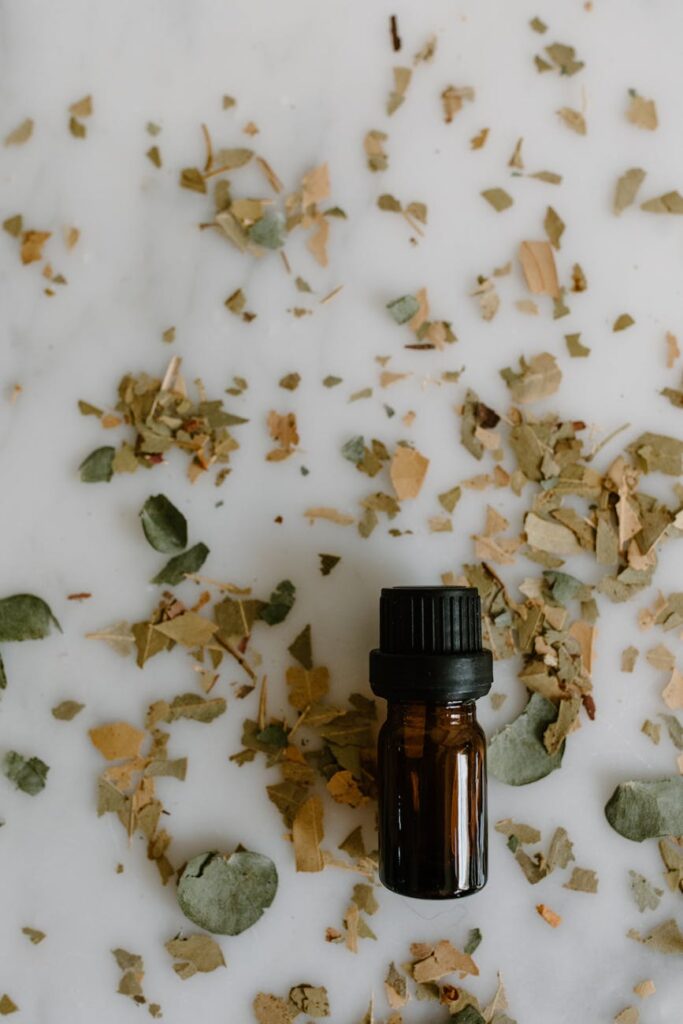
- Keep Away from Light: Essential oils should be stored in dark glass bottles to protect them from light exposure, which can degrade their quality.
- Cool, Dry Place: Ideal storage conditions include a cool, dry environment. Avoid exposure to heat sources, as this can alter the chemical composition of the oils.
- Tightly Sealed: Always ensure that bottles are tightly sealed to prevent evaporation and contamination.
- Shelf Life: Most essential oils have a shelf life of 1 to 3 years, though some oils can last longer. Regularly check for changes in aroma or consistency, which may indicate that the oil has expired.
These oils contain various compounds that can interact with the body’s olfactory system, influencing emotional responses and promoting physiological relaxation.
Common Uses
Herbal mood-enhancing aromatherapy blends can be employed in numerous settings and applications. Some common uses include:
Aromatherapy Applications
Incorporating herbal mood-enhancing aromatherapy into daily life can be done through various methods. Here are some popular applications:
1. Diffusers: Electric or candle-based diffusers can disperse essential oils into the air, allowing for an aromatic environment. A few drops of a mood-enhancing blend can transform a room.
2. Roller Bottles: Pre-mixed blends in roller bottles are an easy way to apply essential oils on-the-go. Simply roll the bottle on pulse points for a quick mood boost.
3. Bath Oils: Creating a soothing bath oil blend by combining essential oils with a carrier oil can enhance the bathing experience, promoting relaxation and emotional balance.
4. Room Sprays: A simple mixture of essential oils and water can be used as a room spray, freshening up spaces and lifting spirits.
5. Inhalers: Personal inhalers containing concentrated essential oils can be used for targeted mood enhancement, providing a quick and portable option.
Safety Considerations
While herbal mood-enhancing aromatherapy blends can offer numerous benefits, safety is paramount. Here are essential precautions to consider:
Storage and Shelf Life
Proper storage is crucial for maintaining the integrity and effectiveness of essential oils. Here are some guidelines to ensure longevity:
Frequently Asked Questions
1. Can I create my own mood-enhancing blend?
Yes, creating your own blends can be a rewarding experience. Start with a base oil and gradually add other oils until you achieve a pleasing aroma. Research the properties of each oil to ensure they align with your intended mood enhancement.
2. How often can I use aromatherapy blends?
Usage can vary based on personal preference. Many individuals find that using blends daily, either in a diffuser or through topical application, can be beneficial. However, be mindful of your body’s response and adjust as necessary.
3. Are there any specific oils to avoid?
Certain oils may cause allergic reactions or sensitivities in some individuals. Common oils to be cautious with include cinnamon, clove, and oregano. Always conduct a patch test and consult reliable resources for specific oil safety.
4. Can aromatherapy replace traditional therapy?
Aromatherapy can complement traditional therapeutic practices but should not be considered a replacement for professional mental health treatment. Always consult a healthcare professional for issues related to mental health.
5. How can I enhance the effects of aromatherapy?
Incorporating other wellness practices such as meditation, yoga, or deep breathing while using aromatherapy can amplify its benefits, creating a holistic approach to emotional well-being.
Conclusion
Herbal mood-enhancing aromatherapy blends provide a natural and aromatic way to promote emotional well-being. By understanding their properties, uses, and safety considerations, individuals can effectively incorporate these blends into their daily routines. As with any holistic practice, informed and responsible use is essential to maximize benefits while minimizing risks. Exploring the world of herbal aromatherapy offers an exciting opportunity to enhance personal wellness and cultivate a positive emotional landscape.