
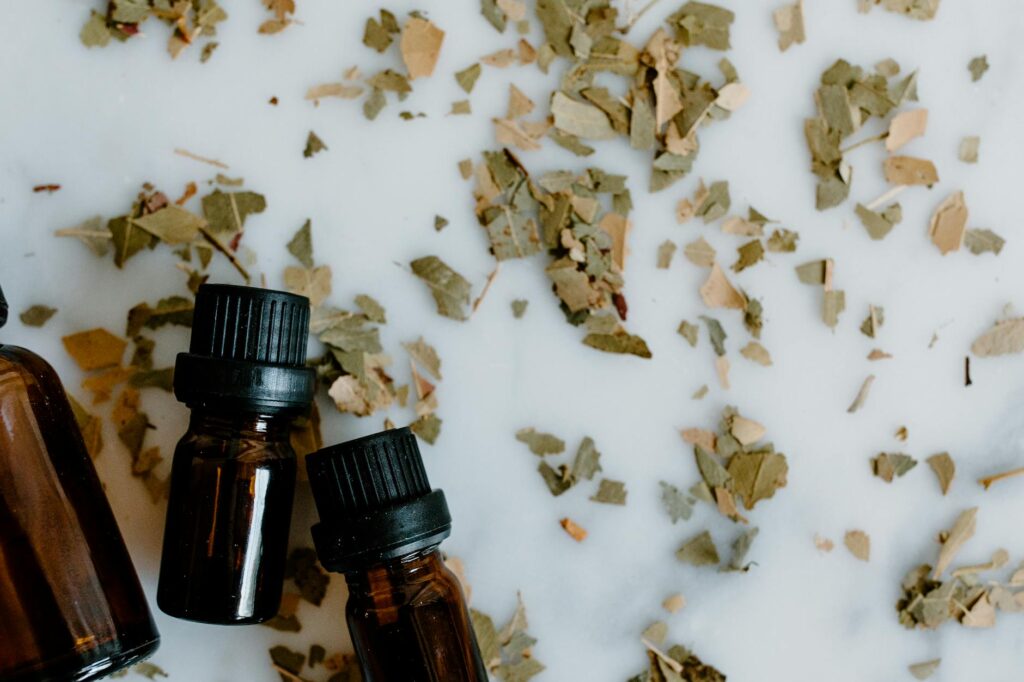
Is Herbal Mood-Enhancing Essential Oil Blends Safe? Uses, Benefits and Precautions
Introduction
In recent years, the popularity of herbal mood-enhancing essential oil blends has surged, as more individuals seek natural remedies to promote emotional well-being. These aromatic compounds, derived from various plants, offer a unique approach to enhancing mood and alleviating stress. However, as with any holistic practice, it’s crucial to understand their properties, benefits, and safety considerations. This article explores the world of herbal mood-enhancing essential oil blends, providing comprehensive insights into their uses, benefits, precautions, and more.
What Is Herbal Mood-Enhancing Essential Oil Blends?
Herbal mood-enhancing essential oil blends are combinations of concentrated plant extracts that are specifically formulated to promote emotional balance and uplift mood. Essential oils are extracted through methods such as steam distillation or cold pressing, capturing the natural fragrances and properties of the plants. Commonly used essential oils for mood enhancement include lavender, bergamot, ylang-ylang, and clary sage, among others.
These blends combine the unique therapeutic properties of individual oils, creating synergistic effects that can aid in reducing anxiety, elevating mood, and providing a sense of relaxation or invigoration. Aromatherapy, the practice of using essential oils for therapeutic benefits, plays a significant role in harnessing these effects.
Key Benefits and Properties
Herbal mood-enhancing essential oil blends offer a multitude of benefits, primarily due to their aromatic compounds and how they interact with the body.
1. Emotional Balance: Many essential oils have been traditionally used to help balance emotions. For instance, lavender is known for its calming properties, while citrus oils like bergamot can be uplifting.
2. Stress Relief: Essential oils such as chamomile and frankincense are often employed to alleviate stress and promote relaxation. Their soothing scents can help reduce tension and anxiety.
3. Improved Sleep Quality: Certain blends can support better sleep. Oils like sandalwood and cedarwood are known for their sedative effects, which may help those struggling with sleep disturbances.
4. Mental Clarity and Focus: Certain herbal blends can enhance cognitive functions. Oils like rosemary have been associated with improved memory and concentration.
5. Mood Enhancement: Essential oils like ylang-ylang and geranium are believed to promote feelings of happiness and joy, making them popular choices for mood enhancement.
Common Uses
Herbal mood-enhancing essential oil blends can be utilized in various ways, making them versatile tools for emotional well-being:
1. Diffusion: One of the most common methods of using essential oil blends is through a diffuser. The aromatic molecules disperse into the air, allowing individuals to inhale the therapeutic scents.
2. Topical Application: When diluted with a carrier oil (such as coconut or jojoba oil), these blends can be applied directly to the skin. Common application areas include pulse points, wrists, and the back of the neck.
3. Bathing: Adding essential oil blends to bathwater can create a soothing and fragrant experience, providing both relaxation and skin benefits.
4. Inhalation: Direct inhalation from the bottle or using a cotton ball can offer instant relief, especially in moments of stress or anxiety.
5. Massage: Incorporating essential oils into massage oil can enhance relaxation and emotional release during a massage session.
Aromatherapy Applications
Aromatherapy is a holistic approach that uses essential oils to enhance physical and emotional health. The application of herbal mood-enhancing essential oil blends in aromatherapy can be categorized as follows:
1. Relaxation Therapy: Blends that include calming oils like lavender and chamomile are often used in relaxation therapies. These can include guided meditations or relaxation exercises to create a tranquil environment.
2. Stress Management: Utilizing uplifting blends during stressful situations, such as in the workplace or while commuting, can help mitigate feelings of anxiety.
3. Mindfulness Practices: Incorporating essential oils into mindfulness practices can deepen the experience. The use of a calming blend during meditation can help ground the practitioner.
4. Holistic Health Practices: Many practitioners of holistic health incorporate essential oils into their modalities, such as yoga, Reiki, or acupuncture, to enhance the overall experience and promote emotional healing.
Safety Considerations
While herbal mood-enhancing essential oil blends are generally considered safe for most individuals when used appropriately, it is essential to observe several safety guidelines:
1. Dilution: Essential oils are highly concentrated and should be diluted with a carrier oil before topical application to prevent skin irritation.
2. Patch Test: Conducting a patch test on a small area of skin before full application can help identify any allergic reactions or sensitivities.
3. Pregnancy and Nursing: Pregnant or nursing individuals should consult with a qualified professional before using essential oils, as certain oils may not be safe during these periods.
4. Children and Pets: Some essential oils can be harmful to children and pets. Always research specific oils to determine their safety for all household members.
5. Medical Conditions: Individuals with certain medical conditions, particularly those with respiratory issues or epilepsy, should exercise caution and consult with a healthcare professional before using essential oils.
6. Quality of Oils: Selecting high-quality, pure essential oils from reputable sources is crucial. Adulterated or synthetic oils may not provide the desired benefits and could pose health risks.
Storage and Shelf Life
Proper storage of essential oils is vital to maintain their potency and effectiveness. Here are some guidelines:
1. Dark Glass Containers: Essential oils should be stored in dark glass bottles to protect them from light, which can degrade the oil.
2. Cool, Dry Place: Keeping oils in a cool, dry environment helps prevent oxidation and degradation.
3. Expiration: While essential oils do not have a definitive expiration date, most oils have a shelf life ranging from 1 to 3 years, depending on the type. Citrus oils tend to have shorter shelf lives, while oils like sandalwood may last longer.
4. Avoid Moisture: To maintain the integrity of the oils, avoid storing them in humid areas, such as bathrooms.
Frequently Asked Questions
1. Can I use essential oils for mood enhancement every day?
Yes, many individuals use essential oils daily as part of their wellness routine. However, it is advisable to rotate different blends to prevent desensitization.
2. Are there any side effects associated with essential oils?
While essential oils are generally safe, some people may experience skin irritation, allergic reactions, or headaches. Always conduct a patch test and consult with a professional if unsure.
3. How do I choose the right essential oil blend for my mood?
Selecting an essential oil blend often depends on personal preference and desired effects. Researching individual oils and their properties can help guide your choice.
4. Can I use essential oils in cooking or food?
Not all essential oils are safe for consumption. Only use culinary-grade essential oils and consult with a professional before attempting to incorporate them into food.
5. What is the difference between an essential oil and a fragrance oil?
Essential oils are natural extracts from plants, while fragrance oils are synthetic or partially synthetic and may not carry the same therapeutic properties.
Conclusion
Herbal mood-enhancing essential oil blends offer a natural and holistic approach to emotional well-being. With a rich history in aromatherapy and a growing body of anecdotal support, these aromatic compounds can serve to uplift, relax, and promote a balanced mood. However, understanding their properties, uses, and safety considerations is essential to fully benefit from their potential. By practicing informed usage and maintaining a respectful approach to these potent substances, individuals can effectively integrate herbal mood-enhancing essential oil blends into their daily lives for improved emotional health.