
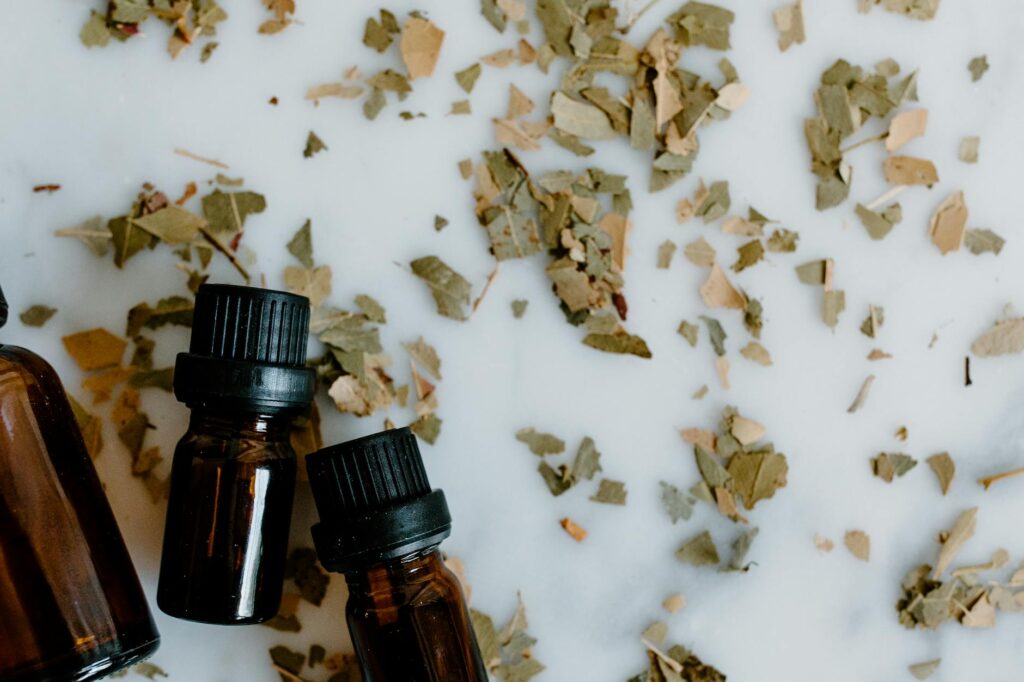
Is Herbal Pain Relief Essential Oil Blends Safe? Uses, Benefits and Precautions
Introduction
In the realm of natural remedies, essential oils have gained significant attention for their potential therapeutic effects. Among these, herbal pain relief essential oil blends are particularly noted for their ability to alleviate discomfort associated with various conditions. As interest in holistic health continues to grow, understanding the safety, uses, benefits, and precautions of these blends is crucial for anyone considering their use.
What Is Herbal Pain Relief Essential Oil Blends?
Herbal pain relief essential oil blends are combinations of concentrated plant extracts designed to provide relief from pain. These blends typically consist of essential oils derived from various herbs, such as lavender, peppermint, eucalyptus, and rosemary. Each oil possesses unique properties that can contribute to pain reduction when used individually or synergistically.
The extraction process for essential oils generally involves steam distillation, cold pressing, or solvent extraction, resulting in a highly concentrated liquid containing the aromatic compounds of the plants. The efficacy of these blends can vary based on the specific oils used and their concentrations.
Key Benefits and Properties
Herbal pain relief essential oil blends offer a range of benefits, primarily due to the therapeutic properties of the individual oils involved. Some of the key benefits include:
1. Analgesic Properties: Many essential oils, such as peppermint and eucalyptus, have analgesic effects, meaning they can help reduce the perception of pain.
2. Anti-inflammatory Effects: Oils like ginger and turmeric are known for their anti-inflammatory properties, which can be beneficial in managing conditions characterized by inflammation, such as arthritis.
3. Muscle Relaxation: Certain oils, including lavender and chamomile, can promote muscle relaxation and reduce tension, which may alleviate pain related to muscle strain.
4. Mood Enhancement: Aromatherapy not only addresses physical discomfort but can also help improve emotional well-being. Oils such as bergamot and ylang-ylang can elevate mood and promote relaxation, aiding in the overall pain management process.
5. Improved Circulation: Essential oils like rosemary and black pepper can stimulate circulation, which may help in delivering nutrients to affected areas and accelerating the healing process.
Common Uses
Herbal pain relief essential oil blends can be employed in various contexts. Some common applications include:
- Topical Application: Mixed with a carrier oil (such as coconut or jojoba oil), these blends can be applied directly to areas of pain, such as sore muscles or joints.
- Diffusion: Essential oils can be diffused into the air to create a calming environment that may help ease tension and stress-related pain.
- Baths: Adding essential oils to bathwater can provide both physical and emotional relief. The warmth of the water enhances the effects of the oils, promoting relaxation.
- Inhalation: Inhaling the aroma of essential oils directly from the bottle or through a personal inhaler can offer immediate relief, particularly for headaches or sinus-related pain.
- Massage: Incorporating essential oils into massage therapy can amplify relaxation and pain relief. The combination of touch and aromatherapy can create a powerful healing experience.
- Inhalation Techniques: Utilizing methods such as deep breathing while inhaling essential oils can enhance their calming effects and promote pain relief.
- Blending: Creating customized blends tailored to individual needs can optimize benefits. For example, a blend for headaches might include peppermint, lavender, and eucalyptus for a synergistic effect.
- Muscle Relief: A mix of peppermint, eucalyptus, and lavender.
- Headache Relief: A combination of peppermint, rosemary, and chamomile.
- Joint Pain: A blend of ginger, turmeric, and black pepper.
Aromatherapy Applications
Aromatherapy is the practice of using essential oils for therapeutic benefit. In the context of pain relief, certain techniques can enhance the effectiveness of herbal pain relief essential oil blends:
Safety Considerations
While herbal pain relief essential oil blends can be beneficial, certain precautions should be considered to ensure safety:
1. Dilution: Essential oils are highly concentrated and should always be diluted with a carrier oil before topical application to prevent skin irritation. A common dilution ratio is 2-3 drops of essential oil for every teaspoon of carrier oil.
2. Patch Test: Before using a new essential oil blend, conduct a patch test by applying a small amount to a limited area of skin to check for any adverse reactions.
3. Pregnancy and Nursing: Certain essential oils may not be safe for pregnant or nursing individuals. It is advisable to consult with a healthcare professional before use.
4. Allergies: Individuals with known allergies to specific plants should avoid essential oils derived from those plants.
5. Pre-existing Conditions: Those with chronic health conditions or taking medications should consult a healthcare professional before using essential oils, as interactions may occur.
6. Children and Pets: Special care should be taken when using essential oils around children and pets, as some oils can be toxic to them. Always research the safety of specific oils when used around these groups.
Storage and Shelf Life
Proper storage of essential oils is vital to maintain their efficacy and safety. Essential oils should be stored in a cool, dark place, away from direct sunlight and heat. Glass containers with tight-fitting lids are ideal for preserving the integrity of the oils.
The shelf life of essential oils varies depending on the type, but most oils can last from 1 to 3 years, while some citrus oils may have a shorter shelf life. Regularly check for any changes in color, consistency, or scent, as these may indicate that the oil has gone bad.
Frequently Asked Questions
1. Are herbal pain relief essential oil blends effective for everyone?
Effectiveness can vary from person to person. Individual responses to essential oils depend on several factors, including the type of pain, personal body chemistry, and the specific oils used.
2. Can I use essential oils for chronic pain conditions?
While some individuals find relief from chronic pain using essential oils, it is essential to approach this method as part of a broader pain management strategy. Consultation with healthcare professionals is recommended.
3. How often can I use herbal pain relief essential oil blends?
Frequency of use can depend on individual tolerance and the severity of pain. Generally, essential oils can be used multiple times a day, but it is advised to listen to your body and adjust as necessary.
4. What are some popular herbal pain relief essential oil blends?
Some popular blends include:
5. Can I make my own blends at home?
Yes, creating your own essential oil blends can be a rewarding experience. However, it is essential to research the properties of each oil and understand safe blending practices before experimentation.
Conclusion
Herbal pain relief essential oil blends offer a natural approach to managing discomfort, supported by a wide array of benefits. While they can provide relief and promote well-being, it is essential to use them safely and responsibly. Understanding the properties of individual oils, proper application methods, and safety precautions can enhance the experience of using essential oils as part of a holistic health journey.