
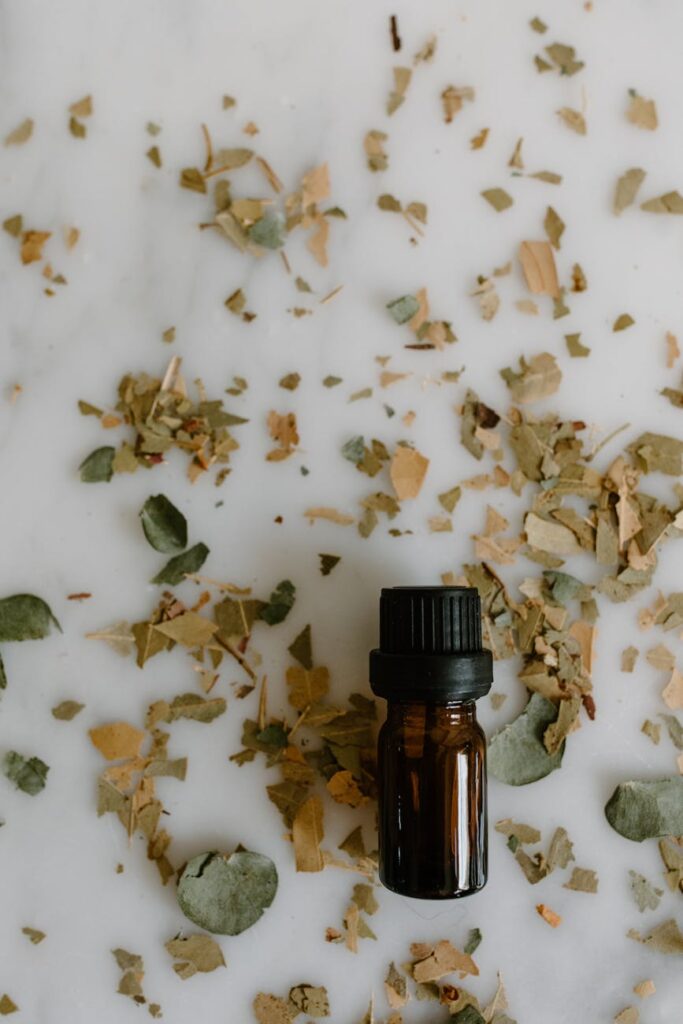
Is Herbal Poultices Safe? Uses, Benefits and Precautions
Introduction
Herbal poultices have been utilized for centuries across various cultures as natural remedies for a multitude of ailments. This traditional practice involves the application of crushed or ground herbs, often mixed with a liquid, to the skin. While many enthusiasts advocate for their efficacy, it is essential to evaluate the safety, benefits, and precautions associated with their use. This article aims to provide a comprehensive overview of herbal poultices, including their properties, applications, and safety considerations.
What Is Herbal Poultices?
An herbal poultice is a soft, moist mass of plant material, typically herbs, that is applied to the skin to treat specific ailments or conditions. The preparation of a poultice usually involves the following steps:
1. Selection of Herbs: Appropriate herbs are chosen based on their known properties and the specific condition being addressed.
2. Preparation: The herbs are crushed or ground to release their essential oils and other beneficial compounds. This can be done using a mortar and pestle or a food processor.
3. Mixing with Liquid: The ground herb mixture may be combined with a liquid, such as water, vinegar, or oil, to create a paste-like consistency.
4. Application: The poultice is then spread over a piece of cloth or directly onto the skin and secured in place, often with a bandage or adhesive strip.
Herbal poultices can be applied warm or cold, depending on the desired effect and the condition being treated.
Key Benefits and Properties
Herbal poultices offer a range of potential benefits, attributed to the phytochemicals present in the herbs used. Some key properties include:
- Anti-inflammatory: Many herbs have anti-inflammatory properties that can help reduce swelling and pain.
- Antimicrobial: Certain herbs possess antimicrobial qualities that can aid in preventing infections.
- Analgesic: Some plants contain natural pain-relieving compounds that provide relief from discomfort.
- Circulatory Stimulation: Poultices may improve blood circulation to the area, promoting healing and reducing stiffness.
- Detoxification: The application of herbal poultices may assist in drawing out toxins from the body.
- Skin Irritations: Conditions like eczema, rashes, and insect bites can benefit from soothing poultices.
- Muscle and Joint Pain: Poultices made with anti-inflammatory herbs may alleviate discomfort from sprains, arthritis, or general muscle soreness.
- Wounds and Abscesses: Certain poultices can promote healing and prevent infection in minor cuts and abscesses.
- Respiratory Issues: When applied to the chest, herbal poultices can help relieve congestion and promote easier breathing.
- Digestive Ailments: Some poultices can be used to help alleviate abdominal discomfort when applied to the stomach area.
- Enhanced Relaxation: Oils like lavender or chamomile can promote a calming effect, making the poultice useful for stress relief.
- Improved Respiratory Support: Oils such as eucalyptus or peppermint can aid in opening airways and easing breathing when used in chest poultices.
- Elevated Mood: Citrus oils like lemon or orange can uplift spirits and promote positivity when used in poultices for emotional support.
- Fresh Poultices: Ideally, herbal poultices should be prepared freshly and used immediately. If necessary, they can be stored in a cool, dry place for a short period, but it is best to use them within a few hours.
- Dried Herbs: If you are using dried herbs to prepare a poultice, store them in an airtight container away from light and moisture to maintain potency.
- Essential Oils: Essential oils should be kept in dark glass bottles and stored in a cool environment to prevent degradation.
Common herbs used in poultices, such as chamomile, calendula, and comfrey, each offer unique benefits and properties that can be harnessed for various applications.
Common Uses
Herbal poultices can be employed for a variety of conditions, including but not limited to:
While these uses are common, it is essential to choose the right herbs for each specific application to maximize effectiveness and minimize risks.
Aromatherapy Applications
In addition to their topical applications, herbal poultices can also be enhanced with essential oils, integrating principles of aromatherapy. By incorporating essential oils known for their therapeutic properties, the poultice can provide additional benefits such as:
When blending essential oils with herbal poultices, it is important to consider the safety of each oil and its compatibility with the chosen herbs.
Safety Considerations
While herbal poultices can offer various benefits, safety should always be a priority. Here are several important safety considerations:
1. Skin Sensitivity: Some individuals may have allergies or sensitivities to certain herbs. A patch test should be conducted on a small area of skin before applying a poultice more broadly.
2. Infection Risks: When applying poultices to open wounds, it is crucial to ensure that the herbs used are clean and free from contaminants to avoid introducing bacteria.
3. Pregnancy and Nursing: Certain herbs may not be safe for pregnant or nursing women. It is advisable to consult a qualified practitioner before using herbal poultices in these circumstances.
4. Pre-existing Conditions: Individuals with chronic health conditions or those taking medications should consult a healthcare provider before using herbal poultices, as some herbs may interact with prescription drugs.
5. Proper Application: Ensure that the poultice is not too hot upon application to avoid burns. Additionally, avoid leaving poultices on the skin for extended periods, which could lead to irritation.
Storage and Shelf Life
The effectiveness of herbal poultices can diminish over time, particularly if not stored properly. Here are some guidelines for storage:
Maintaining proper storage conditions will help prolong the shelf life and effectiveness of the herbal ingredients used in poultices.
Frequently Asked Questions
1. Can I use any herb for a poultice?
Not all herbs are suitable for poultices. It is essential to choose herbs known for their specific properties related to the condition being treated, and to ensure they are safe for topical application.
2. How do I know if a poultice is working?
You may notice a reduction in pain, swelling, or irritation in the area where the poultice is applied. Observing any changes in the condition may help determine its effectiveness.
3. Can I leave a poultice on overnight?
Leaving a poultice on overnight may be appropriate for some conditions, but it is advisable to monitor for any skin irritation. It is generally safer to use poultices for shorter durations, especially for sensitive skin.
4. Are there any contraindications for poultice use?
Yes, certain conditions such as open wounds, severe infections, or skin diseases may require professional medical attention rather than self-treatment with herbal poultices. Always exercise caution and seek advice from a healthcare provider when in doubt.
5. Can I use essential oils in my poultice?
Yes, essential oils can be added to herbal poultices to enhance their therapeutic effects. However, it is important to dilute essential oils appropriately and ensure they are safe for topical use.
Conclusion
Herbal poultices serve as a fascinating intersection of traditional herbalism and modern wellness practices. While they offer numerous potential benefits, it is crucial to approach their use with caution, awareness, and respect for safety considerations. By understanding the properties, applications, and precautions associated with herbal poultices, individuals can make informed decisions about integrating this ancient practice into their holistic health routine.