
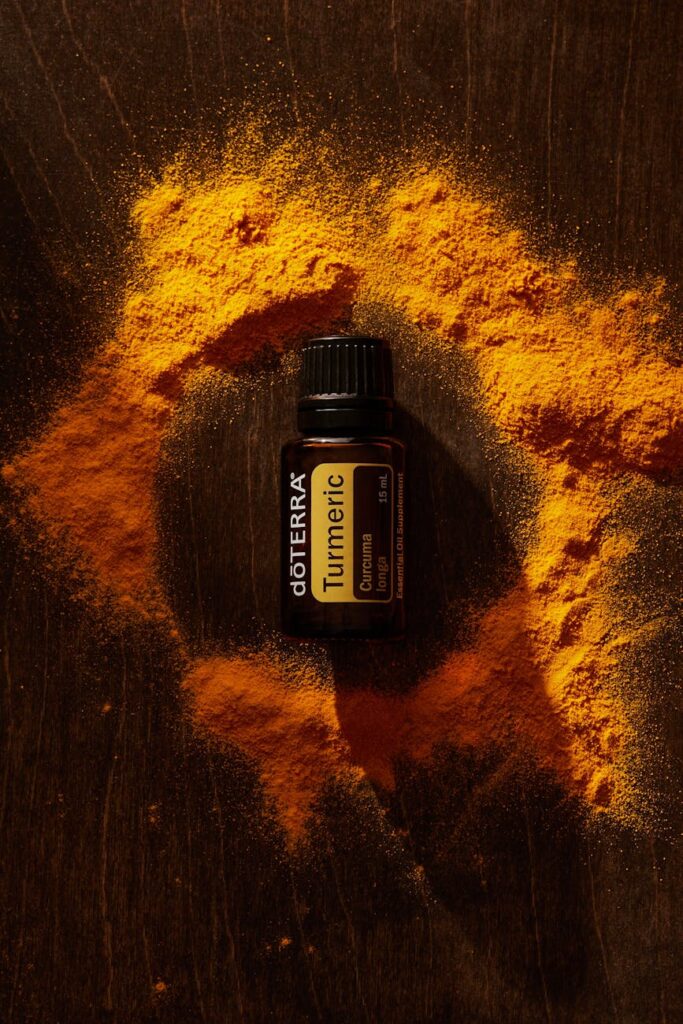
Is Herbal Powders Safe? Uses, Benefits and Precautions
Introduction
Herbal powders have gained popularity in recent years as a natural alternative for various applications, from culinary uses to skincare. These finely ground plant materials are derived from leaves, roots, flowers, and seeds of various herbs. While many enthusiasts praise their efficacy and versatility, it’s essential to understand their safety, benefits, and proper usage. This article aims to provide a comprehensive overview of herbal powders, including their properties, applications in aromatherapy, safety considerations, and common questions related to their use.
What Is Herbal Powders?
Herbal powders are created by grinding dried plant materials into a fine consistency. This process preserves the essential properties and active compounds of the herbs while making them more convenient to use. Popular examples include turmeric powder, matcha (green tea powder), and moringa powder. Each herbal powder carries unique characteristics, influenced by the plant’s origin, chemical composition, and preparation method.
Herbal powders can be used in various forms, including dietary supplements, natural remedies, and cosmetic applications. Their versatility makes them a staple in herbal medicine, traditional practices, and modern holistic health approaches.
Key Benefits and Properties
Herbal powders possess various benefits and properties that contribute to their appeal:
Nutritional Value
Many herbal powders are rich in vitamins, minerals, and antioxidants. For example, spirulina and wheatgrass are known for their high nutrient density, providing essential amino acids, vitamins A, C, and E, as well as iron and calcium.
Antioxidant Properties
Certain herbal powders, such as acai berry and green tea powder, are rich in antioxidants. These compounds help protect cells from oxidative stress, potentially reducing the risk of chronic diseases.
Anti-Inflammatory Effects
Herbs like turmeric contain curcumin, a compound known for its anti-inflammatory properties. While further research is needed to fully understand its effects, many people incorporate turmeric powder into their diets for its potential benefits.
Digestive Support
Some herbal powders, such as ginger and fennel, are traditionally used to support digestive health. They may help alleviate digestive discomfort, although individual experiences can vary.
Common Uses
Herbal powders can be utilized in various domains, enhancing both wellness and lifestyle:
Culinary Applications
Herbal powders are commonly used to season food, adding flavor and nutritional benefits. For instance, cinnamon powder can enhance dishes while also providing potential health benefits due to its antioxidant properties.
Supplements and Health Boosters
Many individuals incorporate herbal powders into smoothies, juices, or capsules to enhance their nutritional intake. Products like maca and ashwagandha are popular for their reputed energy-boosting properties.
Skincare and Beauty Products
In the realm of beauty, herbal powders are often added to face masks, scrubs, and creams. For example, bentonite clay is used for its detoxifying properties, while hibiscus powder can provide a natural exfoliation effect.
Household Uses
Some herbal powders can serve functional purposes in household products. For example, neem powder is sometimes used in natural pest control due to its insect-repelling properties.
Aromatherapy Applications
While herbal powders are not the same as essential oils, they can still be utilized in aromatherapy in various ways.
Infusions and Herbal Blends
Herbal powders can be infused in carrier oils or used in conjunction with essential oils to create unique blends. For instance, blending lavender essential oil with powdered chamomile can create a calming massage oil.
Herbal Sachets
Powdered herbs can be used to create sachets or pillows, releasing their fragrance when heated or disturbed. This can promote relaxation and comfort, especially when using soothing herbs like lavender or rose.
Bath Soaks
Adding herbal powders to bath soaks can provide a soothing and aromatic experience. Powders such as oatmeal or calendula can enhance skin hydration and relaxation when added to warm water.
Safety Considerations
While herbal powders offer numerous benefits, it is crucial to consider safety precautions:
Quality and Sourcing
Always choose high-quality herbal powders from reputable sources. Contamination or adulteration can occur, affecting both safety and efficacy. Look for products that are certified organic or third-party tested.
Allergies and Sensitivities
Individuals may have allergies or sensitivities to specific herbs. It is advisable to conduct a patch test on the skin when using herbal powders for cosmetic purposes. For internal use, start with small amounts to monitor any adverse reactions.
Interactions with Medications
Herbal powders can interact with medications, potentially affecting their absorption or efficacy. It is essential to consult a healthcare professional if you are taking prescription medications or have underlying health conditions.
Dosage Guidelines
There is no one-size-fits-all dosage for herbal powders, as individual needs may vary. Following recommended guidelines on product packaging or consulting with a herbalist can provide more tailored advice.
Storage and Shelf Life
Proper storage of herbal powders is critical to maintaining their potency and effectiveness:
Storage Conditions
Store herbal powders in a cool, dark, and dry place. Exposure to light, moisture, and heat can degrade their quality over time. Glass jars or airtight containers are ideal for preserving freshness.
Shelf Life
The shelf life of herbal powders can vary depending on the type and storage conditions. Generally, most powders can last from six months to two years. Always check for signs of spoilage, such as changes in color, aroma, or texture.
Frequently Asked Questions
Can I use herbal powders in cooking?
Yes, many herbal powders can be safely used in cooking. They can enhance flavor and nutritional value; however, always check for any potential allergies before incorporating them into your meals.
Are there any side effects associated with herbal powders?
While herbal powders are generally considered safe, some individuals may experience side effects, particularly if they have allergies or sensitivities. It’s essential to monitor your body’s response and discontinue use if adverse reactions occur.
How do I choose the right herbal powder for my needs?
Choosing the right herbal powder depends on your goals and preferences. Research the properties and benefits of different powders and consider consulting with a knowledgeable herbalist for personalized recommendations.
Can I use herbal powders for skincare?
Yes, many herbal powders can be beneficial for skincare. They can be included in face masks, scrubs, and creams. However, it’s crucial to perform a patch test first to avoid any allergic reactions.
How do I know if a herbal powder is high quality?
Look for products from reputable brands that provide transparency regarding sourcing and testing. Certifications, such as organic or non-GMO, can also be indicators of quality.
Conclusion
Herbal powders are a versatile and valuable addition to various aspects of daily life, from cooking to skincare and beyond. While they offer numerous benefits, understanding their properties, uses, and precautions is essential for safe and effective application. By choosing high-quality products and following recommended guidelines, you can enjoy the rich world of herbal powders with confidence.