
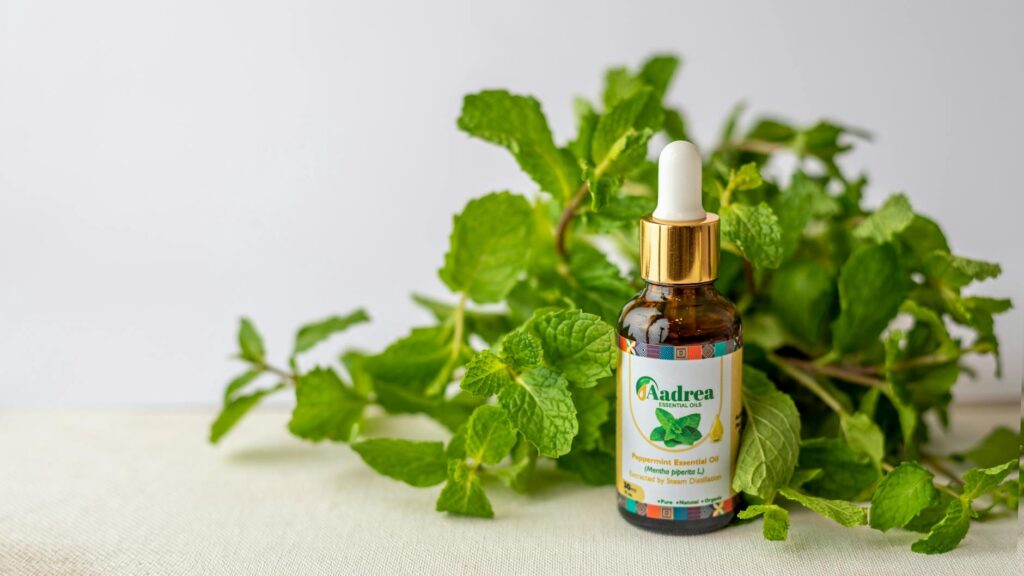
Is Herbal Remedies Safe? Uses, Benefits and Precautions
Introduction
The use of herbal remedies has been a part of human culture for thousands of years, providing a natural alternative to conventional medicine. As interest in holistic approaches to health continues to grow, many individuals are exploring herbal remedies for their potential benefits. However, it is essential to approach these remedies with caution, understanding both their uses and the precautions necessary for safe consumption. This article will delve into the world of herbal remedies, exploring their benefits, common applications, and safety considerations.
What Is Herbal Remedies?
Herbal remedies refer to the use of plants or plant extracts for therapeutic purposes. These remedies can be derived from various parts of plants, including leaves, roots, flowers, and seeds. They are commonly used in different forms, such as teas, tinctures, capsules, and essential oils, and can be employed for a wide range of health-related issues.
Herbal remedies form an integral part of traditional medicine systems such as Traditional Chinese Medicine (TCM) and Ayurveda, where they are utilized to promote balance and well-being. In recent years, there has been a resurgence of interest in herbal remedies within modern wellness culture, as individuals seek natural alternatives for health management.
Key Benefits and Properties
Herbal remedies possess a variety of beneficial properties that contribute to their therapeutic effects. Some of the key benefits include:
1. Anti-inflammatory Properties: Many herbs, such as turmeric and ginger, are known for their anti-inflammatory effects, which can help manage conditions like arthritis or muscle pain.
2. Antioxidant Effects: Herbs like green tea and rosemary are rich in antioxidants, which can protect cells from oxidative stress and support overall health.
3. Digestive Support: Certain herbs, such as peppermint and fennel, are recognized for their ability to alleviate digestive issues, including bloating and indigestion.
4. Mood Enhancement: Adaptogenic herbs like ashwagandha and holy basil may help reduce stress and promote mental clarity and emotional balance.
5. Immune Support: Herbs such as echinacea and elderberry are often used to bolster the immune system and enhance the body’s natural defenses.
While these benefits are widely cited, it is important to note that the effects of herbal remedies can vary significantly based on individual circumstances, including genetics, health conditions, and lifestyle.
Common Uses
Herbal remedies can be utilized for a variety of purposes. Some common uses include:
- Respiratory Health: Herbs like thyme and eucalyptus are often used in herbal teas or steam inhalations to support respiratory function.
- Skin Care: Calendula and aloe vera are frequently found in topical applications for their soothing properties.
- Sleep Aid: Herbs such as chamomile and valerian root are commonly consumed in teas or supplements to promote relaxation and improve sleep quality.
- Pain Relief: Herbal formulations, including ointments containing arnica or essential oils like peppermint, may be employed for localized pain relief.
- Detoxification: Dandelion and milk thistle are frequently used in detox programs to support liver health.
- Lavender: Known for its calming effects, lavender essential oil is commonly used to reduce anxiety and promote relaxation.
- Peppermint: This invigorating oil is often utilized for its refreshing scent and potential to relieve headaches and enhance focus.
- Tea Tree: With its antimicrobial properties, tea tree oil is frequently used in skincare products for its effectiveness against acne and other skin conditions.
- Eucalyptus: Commonly used in steam inhalations, eucalyptus oil can support respiratory health and clear nasal passages.
While these applications are popular, individuals should conduct thorough research and consider consulting with a healthcare professional before incorporating new herbal remedies into their routines.
Aromatherapy Applications
Aromatherapy is a complementary therapy that uses essential oils extracted from plants to promote physical and emotional well-being. Herbal remedies play a significant role in aromatherapy, with many essential oils derived from herbs exhibiting distinct properties:
In aromatherapy, essential oils can be diffused, inhaled, or applied topically (when diluted). However, it is crucial to use high-quality oils and to adhere to safety guidelines to avoid adverse reactions.
Safety Considerations
While herbal remedies can offer numerous benefits, it is important to recognize that they are not without risks. Some safety considerations include:
1. Quality and Purity: The quality of herbal products can vary widely. It is essential to choose products from reputable sources that provide information about sourcing, processing, and purity testing.
2. Dosage: The effective dosage of herbal remedies can differ from person to person. It is vital to adhere to recommended dosages and avoid excessive use, as high doses can lead to side effects.
3. Interactions with Medications: Herbal remedies can interact with prescription and over-the-counter medications, potentially altering their effects. For instance, some herbs may enhance or inhibit the metabolism of certain drugs, leading to reduced efficacy or increased toxicity.
4. Allergic Reactions: Individuals may experience allergic reactions to specific herbs. It is advisable to conduct a patch test when using topical herbal products for the first time.
5. Pregnancy and Breastfeeding: Certain herbs may not be safe for use during pregnancy or breastfeeding. Consulting a healthcare professional is crucial for individuals in these situations.
6. Underlying Health Conditions: Individuals with pre-existing health conditions should exercise caution when using herbal remedies, as some may exacerbate certain conditions or interfere with treatments.
Storage and Shelf Life
Proper storage of herbal remedies is essential to maintain their potency and efficacy. Here are some guidelines:
1. Keep Away from Light: Many herbal products, especially essential oils, can degrade when exposed to light. Store them in dark, opaque containers to extend their shelf life.
2. Cool and Dry Environment: Heat and humidity can also affect the quality of herbal remedies. It is best to store them in a cool, dry place, away from direct sunlight.
3. Check Expiration Dates: Herbal products often come with expiration dates or suggested shelf lives. Regularly check these dates and discard any products that are past their prime.
4. Seal Tightly: Ensure that containers are tightly sealed to prevent contamination and moisture from affecting the product.
By following these storage tips, individuals can maximize the longevity and effectiveness of their herbal remedies.
Frequently Asked Questions
1. Are herbal remedies safe for everyone?
While many people can safely use herbal remedies, individual responses may vary. It is crucial to consider personal health conditions, allergies, and potential interactions with medications before using herbal products.
2. How do I choose high-quality herbal products?
Look for products from reputable companies that provide detailed information about sourcing, processing, and testing for purity. Certifications from independent organizations can also indicate quality.
3. Can I use herbal remedies alongside prescription medications?
Some herbal remedies may interact with medications, affecting their efficacy and safety. It is advisable to consult a healthcare professional before combining herbal remedies with prescription medications.
4. How long do herbal remedies last?
The shelf life of herbal remedies varies by product and storage conditions. Always check expiration dates and store products properly to maintain their potency.
5. Can I make my herbal remedies at home?
Yes, many herbal remedies can be made at home using dried herbs, tinctures, or essential oils. However, it is essential to research proper preparation methods and dosages to ensure safety.
Conclusion
Herbal remedies offer a wealth of potential benefits, drawing from centuries of traditional use and modern research. However, safety and efficacy are paramount when exploring these natural alternatives. By understanding the benefits, common uses, and necessary precautions, individuals can make informed decisions about incorporating herbal remedies into their health and wellness practices. Always approach herbal remedies with mindfulness and care, ensuring that you prioritize your health and well-being.