
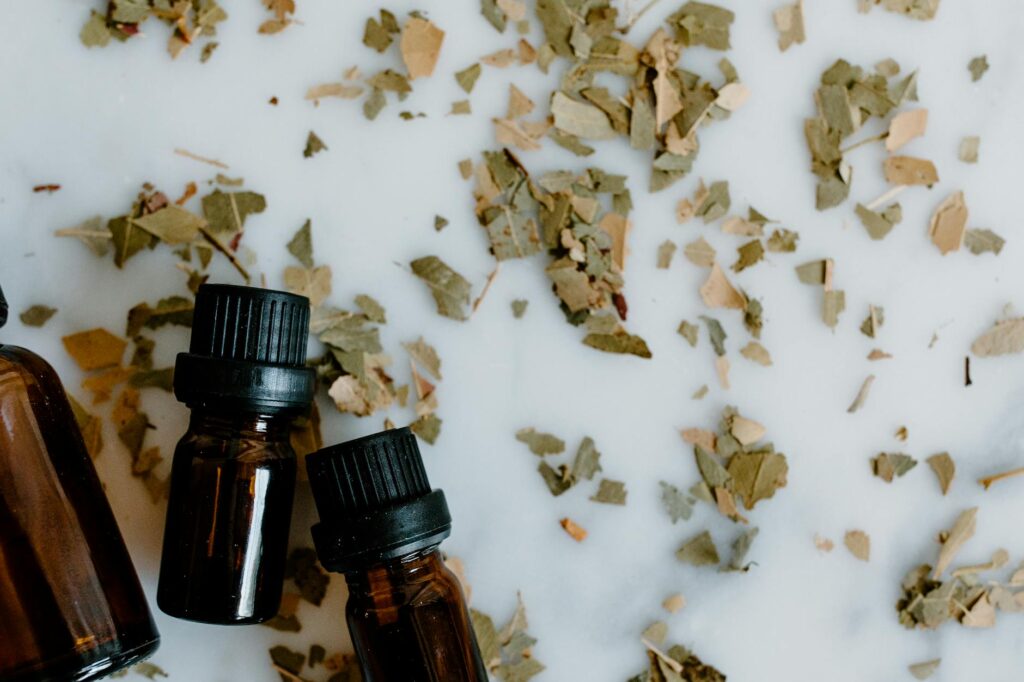
Is Herbal Respiratory Support Essential Oil Blends Safe? Uses, Benefits and Precautions
Introduction
Essential oils have gained immense popularity in recent years, particularly within the realm of holistic health and wellness. Among the myriad of blends available, herbal respiratory support essential oil blends are often sought after for their potential to enhance respiratory function and promote overall wellness. This article delves into the composition, benefits, uses, and safety considerations of these essential oil blends, providing a comprehensive overview for those interested in incorporating them into their lives.
What Is Herbal Respiratory Support Essential Oil Blends?
Herbal respiratory support essential oil blends consist of a carefully curated selection of essential oils derived from various plants known for their supportive properties related to the respiratory system. Commonly included oils may feature eucalyptus, peppermint, tea tree, rosemary, and lavender, each contributing its unique profile of aromatic compounds. These blends are designed to assist in maintaining clear airways and promoting a sense of well-being, especially during seasonal changes or periods of heightened respiratory challenges.
Key Benefits and Properties
The benefits of herbal respiratory support essential oil blends are largely attributed to the individual properties of each oil. Below are some of the key properties commonly associated with the components of these blends:
1. Antimicrobial Properties: Many essential oils, such as tea tree and eucalyptus, are recognized for their antimicrobial effects, which can help in combating airborne pathogens.
2. Decongestant Effects: Eucalyptus and peppermint oils are often noted for their ability to promote easier breathing by acting as natural decongestants. The menthol present in peppermint can create a cooling sensation, which may facilitate easier airflow.
3. Anti-inflammatory Characteristics: Some oils, like rosemary and lavender, possess anti-inflammatory properties that may contribute to reducing irritation in the respiratory tract.
4. Relaxation and Stress Relief: Aromatherapy involving these blends often promotes relaxation, which can be beneficial for individuals experiencing respiratory distress due to stress or anxiety.
5. Expectorant Qualities: Certain essential oils can act as expectorants, helping to loosen mucus and phlegm in the airways, making it easier to breathe.
Common Uses
Herbal respiratory support essential oil blends can be used in various ways, catering to individual preferences and circumstances. Some common uses include:
1. Diffusion: Adding a few drops of the blend to an essential oil diffuser can help disperse the aromatic compounds into the air, creating a soothing environment.
2. Topical Application: When diluted with a carrier oil (such as coconut or jojoba oil), these blends can be applied to the chest or back to promote localized benefits.
3. Inhalation: Direct inhalation from a bottle or by adding a few drops to a bowl of hot water allows for immediate respiratory support.
4. Bathing: Incorporating the blend into a warm bath can enhance relaxation and provide aromatic support.
5. Steam Inhalation: Adding the blend to hot water for steam inhalation can help clear nasal passages and promote easier breathing.
Aromatherapy Applications
Aromatherapy is a holistic practice that utilizes the therapeutic properties of essential oils to promote physical and emotional well-being. Herbal respiratory support essential oil blends can be integrated into various aromatherapy applications:
1. Aromatherapy Massage: Using diluted blends in massage can not only provide respiratory support but also promote relaxation and relieve muscle tension.
2. Room Sprays: Creating a homemade room spray with herbal respiratory support blends can enhance the air quality in your living space, making it more inviting and calming.
3. Candles and Wax Melts: Incorporating these essential oils into candles or wax melts can provide a long-lasting aromatic experience.
4. Personal Inhalers: Using essential oil inhalers for personal use can help individuals carry their preferred blends with them for on-the-go support.
Safety Considerations
While essential oils can offer significant benefits, it is crucial to approach their use with care. Here are some important safety considerations to keep in mind:
1. Dilution: Essential oils are highly concentrated and should always be diluted with a carrier oil before topical application to minimize the risk of skin irritation or sensitization.
2. Allergies and Sensitivities: Conduct a patch test by applying a diluted blend to a small area of skin to check for any adverse reactions. Individuals with known allergies to specific plants should avoid oils derived from those plants.
3. Pregnancy and Nursing: Pregnant or nursing individuals should consult with healthcare professionals before using essential oils, as some oils may not be safe during these periods.
4. Children and Infants: Many essential oils are not suitable for use on young children or infants. Always research age-appropriate oils and consult guidelines specific to children.
5. Medical Conditions: Individuals with pre-existing health conditions, particularly those related to the respiratory system, should consult a healthcare provider before using essential oils.
6. Essential Oil Quality: Ensure that you are using high-quality, pure essential oils from reputable sources. Synthetic fragrances and adulterated oils may not provide the desired benefits and may pose health risks.
Storage and Shelf Life
Proper storage is essential for maintaining the efficacy and longevity of essential oils. Here are some guidelines for storing herbal respiratory support essential oil blends:
1. Cool, Dark Place: Essential oils should be stored in a cool, dark area away from direct sunlight and heat. A cabinet or drawer is ideal.
2. Tightly Sealed Containers: Always ensure that the bottles are tightly sealed to prevent oxidation and evaporation.
3. Check Expiration Dates: While essential oils do not have a strict expiration date, they can lose potency over time. Most essential oils have a shelf life of 1 to 3 years, depending on the type. Citrus oils tend to have shorter shelf lives compared to woody oils.
4. Avoid Contamination: Use glass droppers or pipettes to prevent contamination from your skin or other substances.
Frequently Asked Questions
1. Can I use herbal respiratory support essential oil blends if I have asthma?
While many individuals with asthma find relief using essential oils, it is vital to consult with a healthcare professional before use. Some oils may trigger symptoms in sensitive individuals.
2. Are there any specific essential oils I should avoid?
Certain oils, such as eucalyptus and peppermint, may be too strong for very young children or pregnant individuals. Always research and consult guidelines for specific oils.
3. Can I mix different essential oils to create my own blend?
Yes, many individuals enjoy experimenting with different essential oils to create personalized blends. However, it’s advisable to research the properties and compatibility of oils before combining them.
4. How often can I use these blends?
Usage frequency may vary based on individual preferences and the method of application. For topical application, a few times a day is often sufficient, while diffusion can be done throughout the day.
5. Can I use essential oils around pets?
Some essential oils can be harmful to pets. It is crucial to research pet-safe oils and consult a veterinarian regarding appropriate usage around animals.
Conclusion
Herbal respiratory support essential oil blends can offer various benefits for those seeking to enhance their respiratory wellness. When used responsibly and with an understanding of the properties and precautions associated with essential oils, they can be a valuable addition to holistic health practices. As with any natural remedy, individual experiences may vary, and it is essential to prioritize safety and informed usage.