
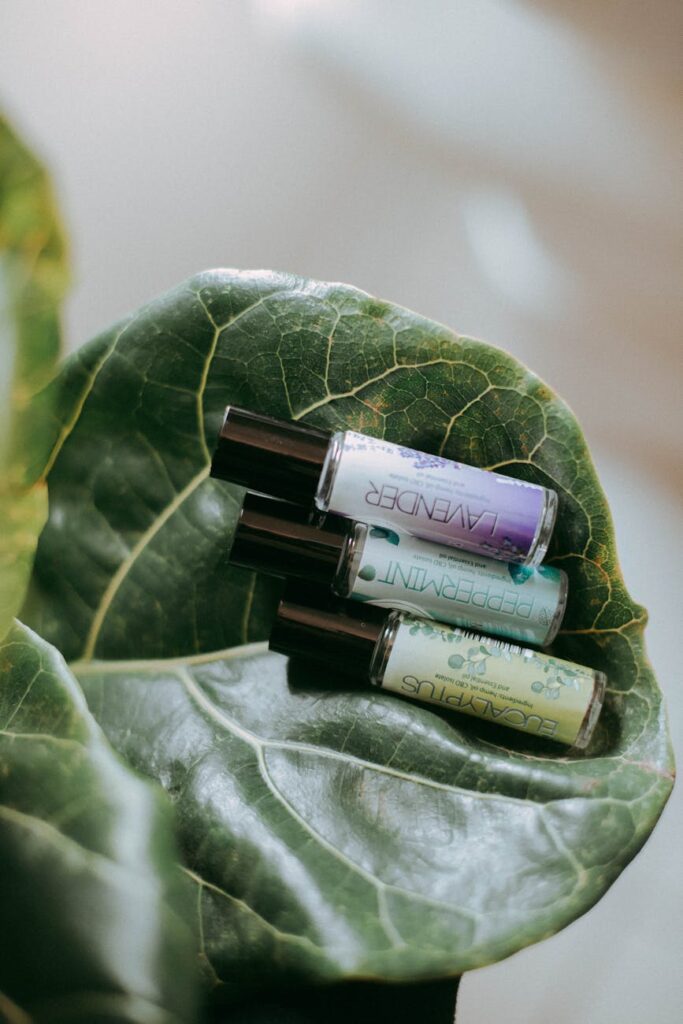
Is Herbal Sleep Aid Essential Oil Blends Safe? Uses, Benefits and Precautions
Introduction
In an age where stress and anxiety are prevalent, many individuals are seeking natural solutions to combat sleep disturbances. Herbal sleep aid essential oil blends have gained popularity as a holistic approach to promoting relaxation and improving sleep quality. This article explores what these blends are, their benefits and properties, common uses, safety considerations, and more, providing a comprehensive understanding of their role in aromatherapy.
What Is Herbal Sleep Aid Essential Oil Blends?
Herbal sleep aid essential oil blends are mixtures of concentrated plant extracts derived from various herbs and flowers known for their calming properties. Essential oils are volatile compounds extracted through methods such as steam distillation or cold pressing. When blended, these oils can create synergistic effects that enhance relaxation and promote restful sleep.
Common essential oils used in sleep aid blends include:
- Lavender: Renowned for its calming effects.
- Chamomile: Often used to reduce anxiety and promote tranquility.
- Bergamot: Known for its uplifting yet relaxing properties.
- Cedarwood: Valued for its grounding and soothing qualities.
- Sandalwood: Recognized for its ability to ease tension.
These oils can be combined in various ratios to create personalized blends tailored to individual preferences and needs.
Key Benefits and Properties
The benefits of herbal sleep aid essential oil blends are multifaceted and can vary depending on the specific oils used in the blend. Some of the key properties include:
1. Relaxation
Many essential oils promote relaxation, helping to calm the mind and body. Lavender, for instance, has been widely studied for its ability to reduce stress and anxiety, making it a staple in sleep aid blends.
2. Improved Sleep Quality
Certain oils can help improve overall sleep quality. Research has suggested that inhaling specific essential oils may lead to longer sleep duration and increased sleep efficiency.
3. Mood Enhancement
Aromatherapy can have a profound impact on mood. Oils like bergamot and chamomile can help lift spirits while simultaneously promoting relaxation, creating a balanced emotional state conducive to sleep.
4. Support for Evening Routines
Incorporating essential oil blends into evening rituals can signal to the body that it is time to wind down. This practice can enhance the transition from wakefulness to sleep.
5. Natural Alternative
For those wary of pharmaceutical sleep aids, herbal essential oil blends offer a natural alternative. They can be used alongside other wellness practices, such as meditation or yoga, to create a holistic approach to sleep health.
Common Uses
Herbal sleep aid essential oil blends can be utilized in various ways to enhance their benefits:
1. Diffusion
Using a diffuser to disperse essential oils into the air is one of the most common methods. This allows for a gentle and continuous release of aroma, creating a calming environment.
2. Topical Application
Diluting essential oils with a carrier oil, such as jojoba or coconut oil, allows for safe topical application. This can be effective for localized relief, such as applying to pulse points like wrists or temples.
3. Bath Soaks
Adding essential oils to a warm bath can create a soothing experience that promotes relaxation. The heat and aromatic qualities of the oils work together to ease tension.
4. Pillow Sprays
Creating a pillow spray with diluted essential oils can help to enhance sleep by allowing the calming scents to be inhaled throughout the night.
5. Inhalation
Simply inhaling the scent of essential oils directly from the bottle or a cotton ball can provide immediate calming effects, making it a convenient option for on-the-go relaxation.
Aromatherapy Applications
Aromatherapy is the practice of using essential oils for therapeutic purposes. When applied to sleep, essential oils can be employed in various ways:
1. Meditation and Relaxation Techniques
Incorporating essential oils into meditation practices can enhance the experience. Blending oils known for their calming properties can create a serene environment conducive to mindfulness and relaxation.
2. Sleep Hygiene Practices
Essential oils can complement established sleep hygiene practices, such as maintaining a consistent sleep schedule, creating a comfortable sleep environment, and minimizing screen time before bed.
3. Guided Relaxation
Using essential oils during guided relaxation sessions can deepen the experience. The calming scents can help participants achieve a more profound state of relaxation and prepare for sleep.
Safety Considerations
While herbal sleep aid essential oil blends can be beneficial, safety is paramount. Consider the following precautions when using essential oils:
1. Allergies and Sensitivities
Individuals with allergies or sensitivities should perform a patch test before using a new essential oil. This involves applying a small amount of diluted oil to a discreet area of skin and monitoring for any adverse reactions.
2. Proper Dilution
Essential oils are highly concentrated and should be diluted before topical application. A common guideline is to use a 2-3% dilution, which equates to about 12-18 drops of essential oil per ounce of carrier oil.
3. Consultation with Professionals
Those with underlying health conditions, pregnant individuals, and nursing mothers should consult a healthcare professional or a certified aromatherapist before using essential oils.
4. Avoiding Certain Oils
Some essential oils may not be suitable for specific populations. For instance, oils like sage or rosemary can stimulate, rather than relax, and should be avoided in sleep blends.
5. Environmental Considerations
When using diffusers, ensure proper ventilation and avoid prolonged exposure to high concentrations of essential oils in enclosed spaces.
Storage and Shelf Life
The efficacy of essential oils can degrade over time, making proper storage essential:
1. Storage Conditions
Store essential oils in a cool, dark place, away from direct sunlight and heat. Dark glass containers are preferable as they protect the oils from light degradation.
2. Shelf Life
The shelf life of essential oils can vary depending on the type. Generally, most essential oils have a shelf life of 1-3 years when stored correctly. Citrus oils tend to have shorter shelf lives, often around 6-12 months.
Frequently Asked Questions
1. Can everyone use herbal sleep aid essential oil blends?
While many individuals can safely use herbal sleep aid essential oil blends, those with allergies, sensitivities, or particular health conditions should exercise caution and consult a healthcare professional.
2. How long does it take for essential oils to affect sleep?
The time it takes for essential oils to affect sleep can vary. Some individuals may feel the calming effects within minutes, while others may benefit from consistent use over time.
3. Can I create my own sleep aid blend?
Yes, creating your own sleep aid blend can be a fulfilling experience. Experiment with different oils and ratios to find a combination that resonates with you.
4. Are there any side effects associated with essential oils?
While rare, some individuals may experience adverse reactions, including skin irritation or allergic responses. Proper dilution and patch testing can help mitigate these risks.
5. Can essential oils replace sleep medications?
Essential oils may be used as a complementary approach to sleep health, but they should not be considered a direct replacement for prescribed sleep medications without consulting a healthcare professional.
Conclusion
Herbal sleep aid essential oil blends offer a natural and holistic approach to enhancing sleep quality and promoting relaxation. With their myriad of benefits and applications, they can be a valuable addition to one’s nightly routine. However, safety considerations are paramount, and individuals should be mindful of potential sensitivities and proper usage guidelines. By understanding the properties, uses, and precautions associated with these blends, individuals can make informed choices that align with their wellness goals.