
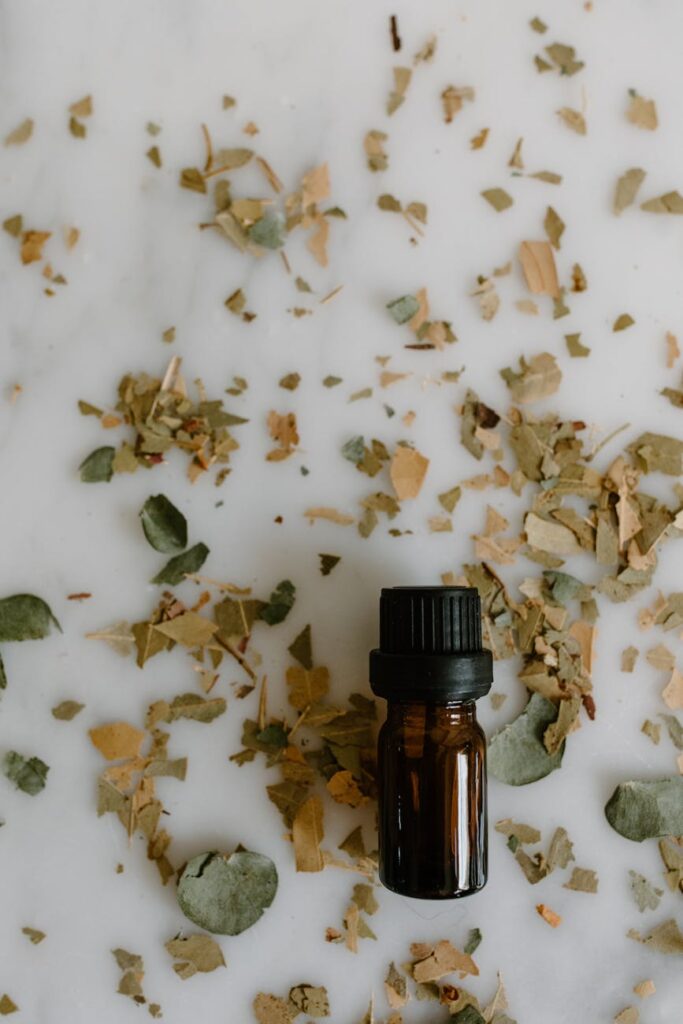
Is Herbal Sleep Induction Essential Oil Blends Safe? Uses, Benefits and Precautions
Introduction
In an increasingly fast-paced world, many individuals are seeking natural remedies to combat sleep disturbances and promote relaxation. Herbal sleep induction essential oils have gained popularity as a holistic approach to improving sleep quality. This article delves into the nature of these essential oil blends, their benefits, common uses, and precautions to ensure safe application.
What Is Herbal Sleep Induction Essential Oil Blends?
Herbal sleep induction essential oil blends are mixtures of concentrated plant extracts designed to promote relaxation, reduce anxiety, and facilitate sleep. These blends typically feature essential oils extracted from various herbs, flowers, and plants known for their calming properties. Common ingredients in these blends often include lavender, chamomile, bergamot, and cedarwood, among others. The synergistic effect of these oils can enhance their individual properties, making them potent tools for those seeking restful sleep.
Key Benefits and Properties
The primary benefits of herbal sleep induction essential oil blends center around their ability to promote relaxation and improve sleep quality. Some of the key properties include:
1. Calming Effects
Many essential oils have a calming effect on the nervous system, reducing feelings of anxiety and stress. For instance, lavender oil is widely recognized for its soothing properties and ability to promote relaxation.
2. Sleep Quality Enhancement
Certain oils, such as chamomile and valerian, are known for their ability to improve the quality of sleep. They may help reduce the time it takes to fall asleep and increase the duration of deep sleep.
3. Mood Stabilization
Aromatherapy can influence emotional states. Oils like bergamot can uplift mood and alleviate feelings of sadness or irritability, contributing to a more restful state conducive to sleep.
4. Support for Circadian Rhythms
Some essential oils can support the body’s natural circadian rhythms, helping to regulate sleep-wake cycles, which is particularly beneficial for those with irregular schedules.
5. Non-Invasive Alternative
Herbal sleep induction essential oil blends offer a non-invasive option for those who may wish to avoid pharmaceutical sleep aids, presenting a more natural alternative.
Common Uses
Herbal sleep induction essential oil blends can be employed in various ways to facilitate relaxation and improve sleep. Common uses include:
1. Diffusion
Using a diffuser to disperse essential oils into the air allows for the gradual inhalation of their aromatic compounds. This method is effective in creating a calming atmosphere in bedrooms or relaxation spaces.
2. Topical Application
When diluted with a carrier oil, essential oils can be applied to pulse points, such as wrists, neck, or behind the ears. This method allows for direct absorption of the oils into the skin.
3. Bath Soaks
Adding essential oil blends to a warm bath can enhance relaxation. The combination of warm water and aromatherapy can provide a soothing pre-sleep ritual.
4. Pillow Sprays
Spraying a blend of essential oils onto bedding or pillows can create a calming environment, promoting a restful night’s sleep.
5. Inhalation
Direct inhalation from the bottle or a cotton ball can provide immediate calming effects, offering relief during stressful moments.
Aromatherapy Applications
Aromatherapy is the practice of using essential oils for therapeutic benefits, and it plays a crucial role in the application of herbal sleep induction blends. Here are some effective methods:
1. Aromatherapy Massage
Incorporating essential oils into massage can enhance relaxation. A trained practitioner can blend oils with carrier oils for a soothing massage, targeting areas of tension.
2. Meditation and Mindfulness
Using essential oils during meditation can deepen the relaxation experience. Scents like sandalwood or frankincense can help ground the mind and enhance focus.
3. Yoga Practices
Incorporating essential oils into yoga routines can create a serene environment, facilitating a deeper connection between breath and movement, which may aid in relaxation and sleep preparation.
4. Sleep Rituals
Creating a nightly routine that includes the use of essential oils can signal to the body that it is time to wind down. Consistency is key in establishing a habit that promotes better sleep.
Safety Considerations
While herbal sleep induction essential oil blends can be beneficial, they must be used with caution. Here are some essential safety considerations:
1. Skin Sensitivity
Before applying essential oils topically, it’s crucial to perform a patch test to check for any allergic reactions or skin sensitivity. Diluting essential oils with a carrier oil (such as coconut or jojoba oil) can reduce the risk of irritation.
2. Pregnant or Nursing Individuals
Pregnant or nursing individuals should consult with a healthcare professional before using essential oils, as some oils may not be safe during pregnancy or lactation.
3. Children and Pets
Certain essential oils may not be suitable for children or pets. Researching specific oils and their safety profiles is essential before use around these vulnerable groups.
4. Drug Interactions
Individuals taking medications should be cautious, as some essential oils may interact with pharmaceutical drugs. Consulting a healthcare professional is advisable to avoid potential interactions.
5. Quality of Essential Oils
Choosing high-quality essential oils from reputable sources is vital. Adulterated or synthetic oils may not provide the desired benefits and could pose safety risks.
Storage and Shelf Life
Proper storage is crucial to maintain the efficacy and longevity of essential oils:
1. Dark Glass Containers
Essential oils should be stored in dark glass containers to protect them from light, which can degrade their quality over time.
2. Cool, Dry Place
Storing oils in a cool, dry place away from direct sunlight and heat sources helps preserve their potency.
3. Shelf Life
Most essential oils have a shelf life ranging from 1 to 3 years, depending on the type of oil. Citrus oils tend to have a shorter shelf life, while oils like sandalwood may last longer.
Frequently Asked Questions
1. Can I mix different essential oils for sleep?
Yes, blending essential oils can create a synergistic effect. However, it’s advisable to research combinations and test small amounts before widespread use.
2. How much essential oil should I use for a diffuser?
Typically, 3-5 drops of essential oil per 100 ml of water in a diffuser is recommended, but this can vary based on personal preference and the specific oil used.
3. Are there any side effects of using essential oils for sleep?
While generally considered safe, some individuals may experience headaches, nausea, or skin irritation. Monitoring your body’s response is essential.
4. How long before sleep should I use essential oils?
Using essential oils about 30 minutes to 1 hour before bedtime is often recommended to allow time for their calming effects to take hold.
5. Can I use essential oils if I have allergies?
Individuals with allergies should exercise caution and consult a healthcare provider before using essential oils, especially if they have known sensitivities to specific plants.
Conclusion
Herbal sleep induction essential oil blends present a natural and holistic approach to enhancing sleep quality and promoting relaxation. With their numerous benefits and versatile applications, they can serve as valuable tools in fostering a tranquil environment conducive to restful sleep. However, awareness of safety considerations is essential to ensure responsible and effective use. By understanding the properties and potential applications of these essential oils, individuals can make informed choices to enhance their well-being and promote a peaceful night’s sleep.