
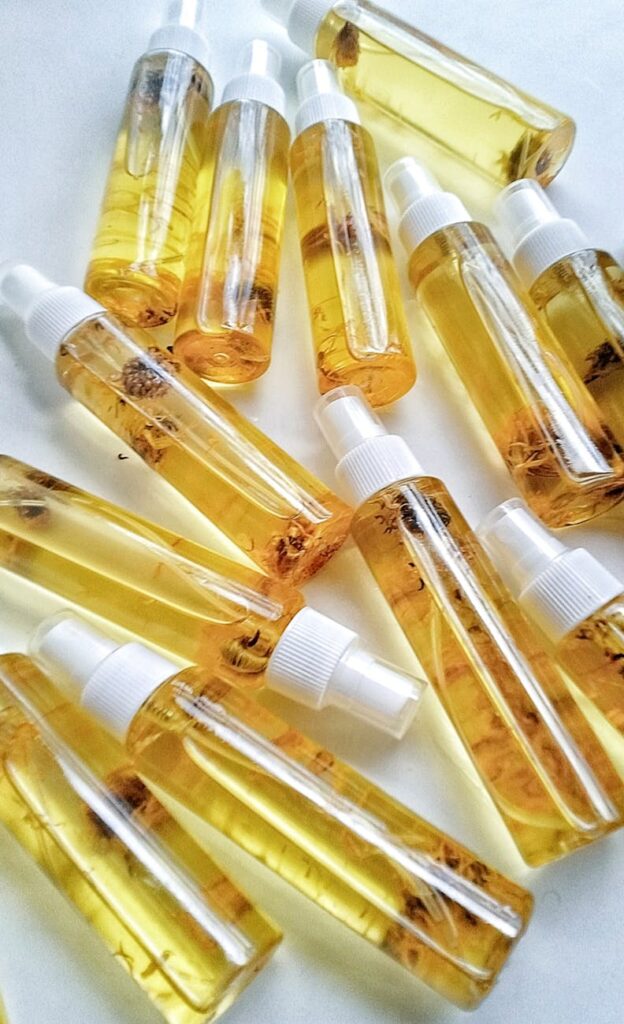
Is Herbal Sprays Safe? Uses, Benefits and Precautions
Introduction
Herbal sprays have gained popularity as convenient and versatile products used in homes and wellness practices. Derived from natural plant extracts, these sprays are appreciated for their aromatic properties and potential therapeutic benefits. This article aims to explore what herbal sprays are, their key benefits and properties, common uses, applications in aromatherapy, safety considerations, storage recommendations, and frequently asked questions.
What Is Herbal Sprays?
Herbal sprays are liquid preparations made by infusing water or alcohol with essential oils, extracts, or distillates from various herbs and plants. These sprays can contain a single essential oil or a blend of multiple oils, often enhanced with additional ingredients such as hydrosols, alcohol, or carrier oils. The formulation allows the natural properties of the herbs to be released, making them easily accessible for use in various applications.
The primary components of herbal sprays typically include:
- Essential Oils: Concentrated plant extracts known for their aromatic and therapeutic properties.
- Hydrosols: The byproduct of steam distillation, hydrosols are gentler and often used in facial sprays or as mild toners.
- Alcohol or Vinegar: Used as a preservative and to help dissolve the essential oils for better blending.
- Water: Acts as a base for the solution and helps to dilute the essential oils for safe application.
- Home Fragrance: Spraying in living spaces to create a pleasant atmosphere.
- Personal Care: Using as facial mists or body sprays to refresh and hydrate the skin.
- Linen and Fabric Freshener: Spraying on linens, upholstery, or clothing to impart a fresh scent.
- Insect Repellent: Applying to skin or clothing to deter bugs during outdoor activities.
- Meditation and Yoga: Using specific scents to enhance relaxation and focus during mindfulness practices.
- Stress Relief: Lavender and chamomile sprays are often used to create a calming environment.
- Energizing: Citrus-based sprays, such as those containing lemon or orange, can invigorate the senses and enhance alertness.
- Sleep Aid: Sprays with essential oils like cedarwood, bergamot, or vetiver are commonly used to create a tranquil atmosphere conducive to sleep.
- Focus and Concentration: Peppermint or rosemary sprays can be utilized to enhance cognitive function and concentration.
- Storage Temperature: Store herbal sprays in a cool, dark environment to prevent degradation of the essential oils.
- Use of Preservatives: Adding natural preservatives, such as vitamin E or certain essential oils with antimicrobial properties, can extend the shelf life.
- Expiration Dates: Most herbal sprays can last from 6 months to 2 years, but it’s advisable to check for changes in scent, color, or consistency before use.
Key Benefits and Properties
Herbal sprays offer a range of benefits due to the natural properties of the plants from which they are derived. Some of the key benefits include:
1. Aromatherapy Benefits: The inhalation of essential oils is believed to influence mood and emotional well-being. Certain scents may evoke feelings of calmness, energy, or relaxation.
2. Antimicrobial Properties: Many essential oils possess natural antimicrobial properties, which can help in purifying the air and surfaces.
3. Insect Repellent: Certain herbal sprays, particularly those containing oils like citronella, eucalyptus, or lavender, can act as natural insect repellents.
4. Skin Soothing: Some herbal sprays are formulated to soothe the skin, providing relief from irritations or discomfort.
5. Natural Fragrance: Herbal sprays can serve as a natural alternative to synthetic air fresheners, offering pleasant aromas without chemical additives.
Common Uses
Herbal sprays can be utilized in various ways, making them an adaptable addition to daily life. Common uses include:
Aromatherapy Applications
In aromatherapy, herbal sprays are frequently employed to promote emotional and physical well-being. Various applications include:
The effectiveness of these sprays can vary based on individual preferences and sensitivities, making it important to experiment to find the most suitable options.
Safety Considerations
While herbal sprays are generally considered safe for use, there are several important safety considerations to keep in mind:
1. Skin Sensitivity: Essential oils can cause allergic reactions or skin irritations in some individuals. It is advisable to perform a patch test before using a new spray on the skin.
2. Dilution: Essential oils are highly concentrated and should be properly diluted before use. Over-concentration can lead to skin irritation or adverse reactions.
3. Pregnancy and Nursing: Certain essential oils may not be safe for pregnant or nursing women. It is crucial to consult with a healthcare professional before using any herbal sprays during this time.
4. Children and Pets: Some essential oils can be toxic to pets or may not be suitable for children. Always research the specific oils being used and consult with a veterinarian or pediatrician if unsure.
5. Storage: Proper storage is essential to maintain the efficacy and safety of herbal sprays. Keep them in a cool, dark place, away from direct sunlight.
Storage and Shelf Life
The shelf life of herbal sprays can vary based on their ingredients and storage conditions. Generally, the following guidelines can help maintain their quality:
Frequently Asked Questions
1. Can I make my own herbal sprays at home?
Yes, making your own herbal sprays at home is relatively simple. You can blend essential oils with water, hydrosols, or alcohol. Ensure to follow proper dilution guidelines based on the essential oils used.
2. Are herbal sprays safe for all skin types?
While many individuals can safely use herbal sprays, it’s essential to perform a patch test, especially for those with sensitive skin or allergies.
3. How do I choose the right essential oils for my herbal spray?
Selecting essential oils should be based on personal preference and the intended use. Researching the properties of various oils can help inform your choices.
4. Can herbal sprays be used in a diffuser?
Herbal sprays are typically not designed for use in diffusers. For diffusing, it is recommended to use essential oils specifically formulated for that purpose.
5. What should I do if I experience an allergic reaction?
If you experience any adverse reactions such as redness, rash, or itching, discontinue use immediately and consult a healthcare professional if necessary.
Conclusion
Herbal sprays can be a delightful addition to one’s personal and home care routine, offering a range of aromatic and potential therapeutic benefits. By understanding their uses, benefits, and safety precautions, individuals can make informed choices about incorporating herbal sprays into their daily lives. Always prioritize safety, especially when using essential oils, and enjoy the natural fragrances and benefits they can provide.