
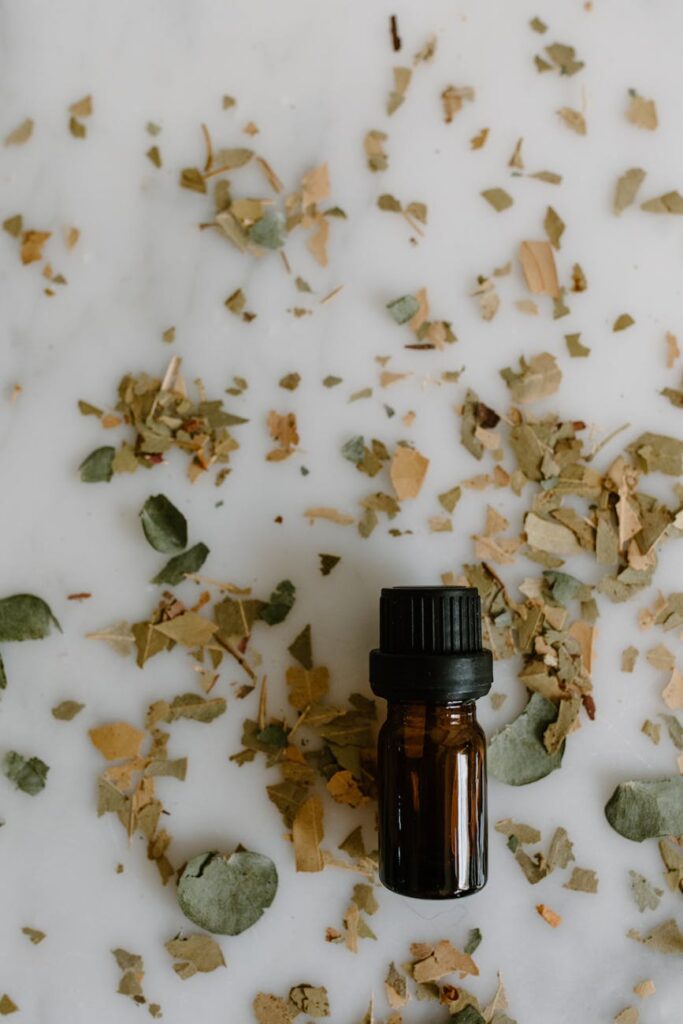
Is Herbal Stress-Reducing Essential Oil Blends Safe? Uses, Benefits and Precautions
Introduction
In today’s fast-paced world, stress has become a common experience for many individuals. As people seek natural solutions to manage their stress, herbal essential oils have gained significant popularity. This article will examine herbal stress-reducing essential oil blends, exploring their uses, benefits, safety considerations, and more.
What Is Herbal Stress-Reducing Essential Oil Blends?
Herbal stress-reducing essential oil blends are combinations of essential oils extracted from various plants, known for their calming and soothing properties. These blends are typically formulated to promote relaxation, alleviate tension, and enhance emotional well-being. Common ingredients in these blends may include lavender, chamomile, bergamot, and ylang-ylang, among others. Each essential oil brings unique characteristics, which, when combined thoughtfully, can create a synergistic effect that enhances their overall efficacy.
Key Benefits and Properties
Herbal essential oils are celebrated for their numerous benefits, particularly in the realm of stress reduction. Some of the key properties include:
1. Relaxation: Many essential oils have calming effects that can help soothe the mind and body. For instance, lavender oil is well-known for its ability to promote relaxation and improve sleep quality.
2. Mood Enhancement: Certain oils, such as bergamot and ylang-ylang, have uplifting properties that can help alleviate feelings of anxiety and depression.
3. Stress Relief: Oils like chamomile and frankincense are often used to help reduce stress levels, providing a sense of peace and tranquility.
4. Improved Focus: While some oils promote relaxation, others, such as rosemary, can enhance mental clarity and focus, which may be beneficial during stressful situations.
5. Physical Relief: Some essential oils possess analgesic and anti-inflammatory properties that may help alleviate physical tension caused by stress.
Common Uses
Herbal stress-reducing essential oil blends can be utilized in various ways to harness their benefits:
1. Diffusion: One of the most popular methods, diffusion involves dispersing essential oils into the air using a diffuser. This method allows for a gentle release of aroma, creating a calming environment.
2. Topical Application: Essential oils can be diluted with a carrier oil (such as jojoba or coconut oil) and applied to the skin. Common areas for application include pulse points, temples, and the back of the neck.
3. Bathing: Adding essential oils to bathwater can enhance relaxation and create a spa-like experience at home. It is advisable to mix oils with an emulsifier, such as a carrier oil or bath salts, to avoid skin irritation.
4. Inhalation: Direct inhalation from the bottle or by placing a few drops on a tissue can provide immediate stress relief.
5. Massage: Incorporating essential oils into massage therapy can enhance the relaxation experience, targeting both physical and emotional tension.
Aromatherapy Applications
Aromatherapy is the practice of using essential oils for therapeutic purposes. When it comes to stress reduction, aromatherapy can be an effective tool. Here are some common applications:
1. Calming Blends: Creating blends that include oils known for their calming properties can be beneficial. For example, a combination of lavender, chamomile, and bergamot may create a soothing atmosphere.
2. Personal Inhalers: Portable inhalers can be filled with a stress-reducing blend, allowing individuals to carry their calming scent with them and use it whenever needed.
3. Sleep Aids: Blends designed for sleep may include oils like lavender and cedarwood, promoting restful nights and reducing stress-related insomnia.
4. Meditation and Yoga: Incorporating essential oils into meditation practices can enhance the experience, helping to clear the mind and promote focus.
5. Environmental Scents: Using essential oils in candles or room sprays can create a serene ambiance in homes, offices, or wellness centers.
Safety Considerations
While herbal essential oils can provide numerous benefits, it is crucial to approach their use with caution:
1. Dilution: Always dilute essential oils with a carrier oil before applying them to the skin to prevent irritation or allergic reactions.
2. Patch Testing: Conducting a patch test is advisable for individuals new to essential oils. Apply a small diluted amount to a discreet area and wait 24 hours to check for any adverse reactions.
3. Pregnancy and Nursing: Pregnant or nursing individuals should consult with a healthcare professional before using essential oils, as some oils may not be safe during these periods.
4. Allergies and Sensitivities: Individuals with known allergies or sensitivities to specific plants should avoid using essential oils derived from those plants.
5. Children and Pets: Special care should be taken when using essential oils around children and pets. Many essential oils can be too potent for younger individuals or animals; always research safe options and consult a professional if in doubt.
6. Quality Matters: The quality of essential oils can vary significantly. It is advisable to choose oils from reputable sources that provide information about purity and extraction methods.
Storage and Shelf Life
Proper storage is essential to maintain the integrity of essential oils. Here are some guidelines for storage and shelf life:
1. Dark Glass Containers: Essential oils should be stored in dark glass bottles to protect them from light, which can degrade the oil over time.
2. Cool, Dry Place: Keeping oils in a cool, dry environment will help preserve their potency. Avoid storing them in areas that experience temperature fluctuations, such as bathrooms.
3. Shelf Life: The shelf life of essential oils varies depending on the oil type. While citrus oils may last 1-2 years, heavier oils like patchouli can last 5 years or more. Always check for changes in aroma or consistency before use.
Frequently Asked Questions
1. Can I use essential oils if I have sensitive skin?
Yes, but it is important to dilute them with a carrier oil and perform a patch test beforehand.
2. Are there any essential oils that should be avoided during pregnancy?
Yes, certain oils such as rosemary, clary sage, and thyme should be avoided during pregnancy. Always consult a healthcare professional for guidance.
3. Can essential oils interact with medications?
Some essential oils may interact with medications. It is recommended to consult with a healthcare professional if you are taking medication and plan to use essential oils.
4. How do I choose a quality essential oil?
Look for oils that are 100% pure, organic, and sourced from reputable manufacturers. Reading reviews and checking for third-party testing can also help ensure quality.
5. Can I use essential oils in a humidifier?
It is generally not recommended to use essential oils in humidifiers, as they can damage the unit. Instead, use a diffuser specifically designed for essential oils.
6. How often can I use essential oil blends for stress relief?
Usage frequency can vary based on individual preference and sensitivity. It is advisable to start with small amounts and monitor how your body responds.
Conclusion
Herbal stress-reducing essential oil blends can be a valuable addition to personal wellness practices. With numerous benefits, various applications, and important safety considerations, they offer a natural way to manage stress and promote emotional well-being. By understanding their properties and uses, individuals can safely incorporate these aromatic solutions into their daily routines, fostering a calmer and more balanced life.