
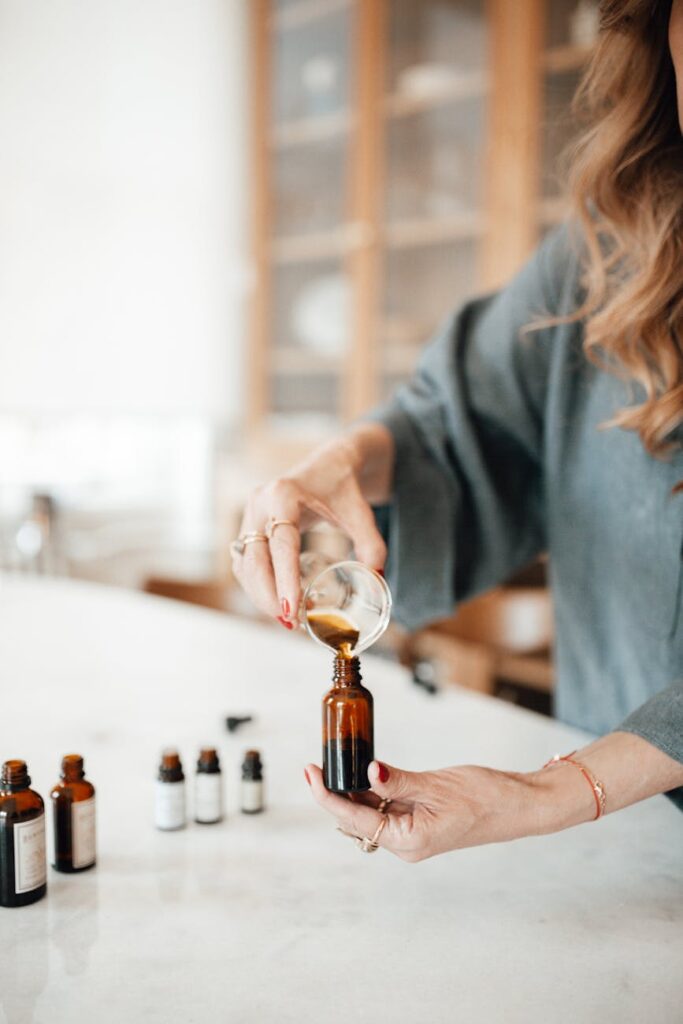
Is Herbal Syrups Safe? Uses, Benefits, and Precautions
Introduction
Herbal syrups have gained popularity as natural remedies that harness the power of plants to promote well-being. These concentrated preparations blend herbs, sugars, and water, resulting in a viscous liquid that can be consumed directly or used as a flavoring agent in various beverages. As interest in holistic health and natural alternatives grows, it’s essential to understand the safety, benefits, and potential precautions associated with herbal syrups.
What Is Herbal Syrups?
Herbal syrups are sweetened liquid extracts made from herbs and other plant materials. They are typically created by boiling herbs in water to extract their beneficial compounds, followed by the addition of sugar or honey to enhance flavor and act as a preservative. The resulting syrup can vary in consistency, flavor, and potency, depending on the type of herbs used and the method of preparation.
These syrups can be made from a variety of plant materials, including leaves, roots, flowers, and fruits. Common herbs used in syrup formulations include echinacea, elderflower, thyme, ginger, and peppermint, among others. The preparation of herbal syrups can be traced back to traditional medicine practices, where they were often used to treat various ailments and enhance overall health.
Key Benefits and Properties
Herbal syrups are often lauded for their therapeutic properties and versatility. While individual benefits can vary widely based on the herbs used, some general advantages include:
1. Natural Ingredients: Herbal syrups are typically made from plant-based ingredients, appealing to those seeking natural alternatives to pharmaceuticals.
2. Convenient Consumption: The syrup form allows for easy ingestion, making it suitable for children and adults alike.
3. Flavor Enhancement: These syrups can be added to beverages, desserts, or foods, making them an enjoyable way to incorporate herbal benefits into one’s diet.
4. Hydration: Many herbal syrups can contribute to hydration, especially when mixed with water or herbal teas.
5. Antioxidant Properties: Many herbs used in syrups are rich in antioxidants, which can help combat oxidative stress and support overall health.
6. Support for Immune Health: Certain herbs, like elderberry and echinacea, are often included in syrups aimed at supporting the immune system.
7. Digestive Aid: Some herbal syrups, such as those made with ginger or peppermint, can assist in digestion and alleviate discomfort.
Common Uses
Herbal syrups can be utilized in a variety of ways, depending on the formulation and desired outcome. Some common uses include:
- Cough Relief: Many herbal syrups contain ingredients like honey, thyme, or marshmallow root, which can help soothe the throat.
- Flavoring Agents: They can be added to teas, cocktails, or desserts to enhance flavor and nutritional value.
- Health Tonics: Some herbal syrups are consumed daily as tonics to support overall health and vitality.
- Seasonal Support: Syrups made with herbs like elderberry are popular during cold and flu season for their purported immune-supportive properties.
- Relaxation: Syrups made with calming herbs like chamomile or lavender can be consumed before bedtime to promote relaxation.
- Energizing Blends: Herbal syrups containing invigorating herbs like ginger or peppermint can be used in morning beverages to provide a natural energy boost.
- Mood Enhancers: Combining herbal syrups with essential oils in a diffuser can create an uplifting atmosphere, enhancing mood and well-being.
- Cool, Dark Place: Store herbal syrups in a cool, dark area to prevent degradation from light and heat.
- Refrigeration: Once opened, many syrups benefit from refrigeration to extend their shelf life.
- Containers: Use clean, airtight containers to minimize exposure to air and moisture, which can lead to spoilage.
- Shelf Life: Generally, homemade herbal syrups may last for several months if stored properly, while commercially prepared syrups may have a longer shelf life due to preservatives.
Aromatherapy Applications
While herbal syrups are primarily consumed, they can also play a role in aromatherapy when paired with essential oils. The aromatic properties of certain herbs can enhance the overall experience, especially when used in conjunction with diffusers or inhalers. For example:
Safety Considerations
While herbal syrups are generally considered safe for most individuals, several precautions should be taken:
1. Allergies: Always check for potential allergic reactions to specific herbs, especially if you have known sensitivities.
2. Quality of Ingredients: Ensure that the herbs and sweeteners used in the syrup are of high quality. Contaminated or poorly sourced ingredients can lead to health risks.
3. Dosage: Follow recommended dosages, as excessive consumption can lead to adverse effects. Some herbs may have potent effects and should be used with caution.
4. Interactions with Medications: Herbal syrups can interact with prescription medications. It is essential to consult with a healthcare professional before starting any new herbal regimen, especially if you are currently taking medications.
5. Pregnancy and Breastfeeding: Certain herbs may not be safe during pregnancy or breastfeeding. It is advisable to consult a healthcare provider for guidance.
6. Children: While many herbal syrups are safe for children, it is best to consult a pediatrician for appropriate formulations and dosages.
Storage and Shelf Life
Proper storage is crucial to maintaining the potency and safety of herbal syrups. Here are some guidelines:
Frequently Asked Questions
1. Are herbal syrups the same as herbal tinctures?
Herbal syrups and tinctures are different preparations. Syrups are sweetened liquid extracts, while tinctures are alcohol-based extracts. Tinctures are often more concentrated and have a longer shelf life due to the preservative properties of alcohol.
2. Can I make herbal syrup at home?
Yes, making herbal syrup at home is a straightforward process. It typically involves simmering herbs in water, straining the mixture, and adding sugar or honey. However, it is essential to follow safe practices and ensure the herbs used are suitable for consumption.
3. How much herbal syrup should I take?
Dosage can vary based on the herb and formulation. It is recommended to follow the guidelines provided on the product label or consult a healthcare professional for personalized advice.
4. Are there any side effects associated with herbal syrups?
While many people tolerate herbal syrups well, some herbs can cause side effects, especially when consumed in large quantities. Common side effects may include digestive upset or allergic reactions. Always monitor your body’s response when trying a new product.
5. Can herbal syrups be used in cooking and baking?
Yes, herbal syrups can be used in various culinary applications. They can enhance the flavor of beverages, desserts, and marinades, providing both taste and potential health benefits.
Conclusion
Herbal syrups offer a delightful and accessible way to incorporate the benefits of herbs into everyday life. With their various uses, potential health benefits, and flavor-enhancing properties, they are a versatile addition to any pantry. However, it is crucial to approach their use with awareness of safety considerations and to consult with healthcare professionals when needed. As you explore the world of herbal syrups, remember to prioritize quality ingredients and informed choices for a safe and enjoyable experience.