
Is Holy Basil Oil Safe? Uses, Benefits and Precautions
Introduction
Holy Basil, also known as Ocimum sanctum or Tulsi, is a revered herb in traditional Indian medicine and various spiritual practices. Its aromatic leaves have been used for centuries in cooking, rituals, and herbal remedies. The essential oil extracted from Holy Basil is gaining popularity in the wellness community for its potential benefits and aromatic properties. However, as with any essential oil, understanding its safety, uses, and precautions is crucial for both novice and experienced users. This article aims to provide a comprehensive overview of Holy Basil oil, its benefits, and considerations for safe use.
What Is Holy Basil Oil?
Holy Basil oil is derived from the leaves and flowers of the Holy Basil plant. The extraction process generally involves steam distillation, capturing the oil’s volatile compounds, which contribute to its unique aroma and properties. The oil is characterized by its warm, spicy, and slightly sweet scent, often described as a blend of clove and mint. This essential oil contains various phytochemicals, including eugenol, linalool, and rosmarinic acid, which are responsible for many of its beneficial effects.
Key Benefits and Properties
Holy Basil oil is celebrated for its numerous potential benefits, including:
1. Antioxidant Properties: The oil contains compounds that may help neutralize free radicals, potentially reducing oxidative stress in the body.
2. Anti-inflammatory Effects: Some studies suggest that Holy Basil oil may possess anti-inflammatory properties, which can be beneficial for conditions characterized by inflammation.
3. Adaptogenic Qualities: Holy Basil is classified as an adaptogen, meaning it may help the body adapt to stress and maintain balance.
4. Antimicrobial Activity: Preliminary research indicates that Holy Basil oil may have antimicrobial properties, making it a candidate for natural preservation and hygiene applications.
5. Mood Enhancer: The aromatic compounds in Holy Basil oil are often associated with mood improvement, helping to reduce feelings of anxiety and promote mental clarity.
Common Uses
Holy Basil oil can be utilized in various ways, including:
- Aromatherapy: The oil is commonly used in diffusers to promote relaxation and a sense of well-being.
- Massage: When diluted with a carrier oil, Holy Basil oil can be incorporated into massage blends to relieve muscle tension and stress.
- Skin Care: Due to its antimicrobial properties, it is sometimes added to skincare formulations to help maintain healthy skin.
- Household Cleaning: The oil’s antibacterial qualities make it suitable for natural cleaning solutions.
- Diffusion: Add a few drops of Holy Basil oil to an essential oil diffuser to create a calming atmosphere. This can be beneficial for meditation or relaxation practices.
- Inhalation: Inhale directly from the bottle or add a drop to a handkerchief for immediate relief from stress or anxiety.
- Massage Blends: Combine Holy Basil oil with a carrier oil, such as sweet almond or coconut oil, for a soothing massage. This can be particularly effective for alleviating muscle tension.
- Bathing: A few drops of Holy Basil oil in a warm bath can enhance relaxation and provide an aromatic experience.
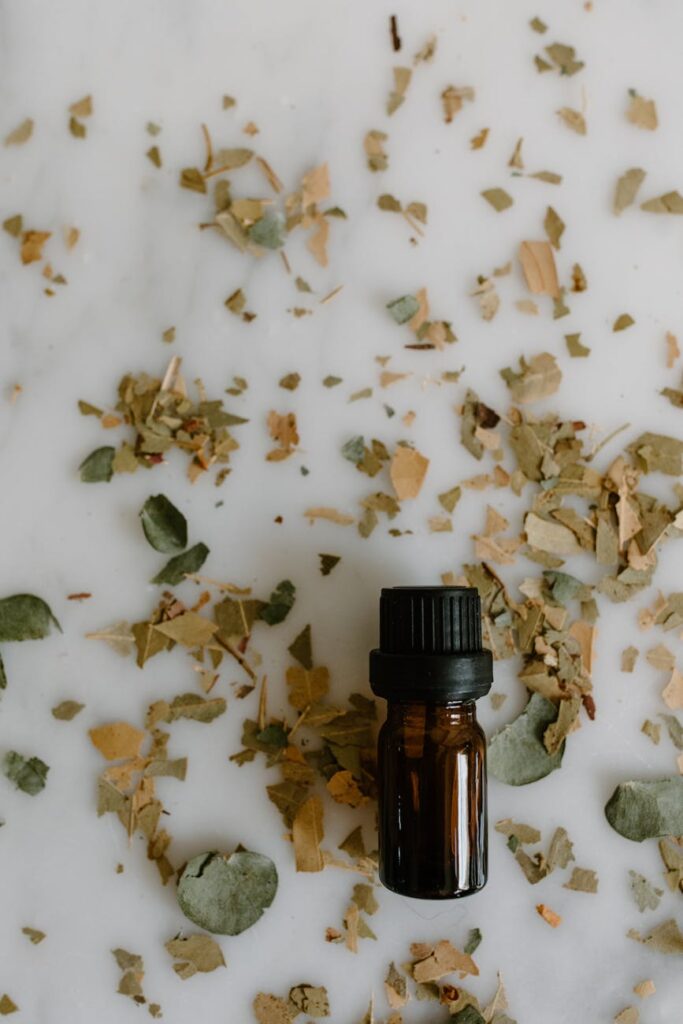
- Container: Store the oil in a dark glass bottle to protect it from light, which can degrade essential oils over time.
- Temperature: Keep the oil in a cool, dry place away from direct sunlight and heat sources.
- Shelf Life: Generally, Holy Basil oil has a shelf life of about 1 to 3 years when stored correctly. However, always check for any changes in aroma or appearance before use, as these may indicate spoilage.
Aromatherapy Applications
In aromatherapy, Holy Basil oil can be used in several ways:
Safety Considerations
While Holy Basil oil is generally regarded as safe for most individuals, certain precautions should be observed:
1. Dilution: Always dilute Holy Basil oil with a carrier oil before applying it to the skin, as it can be potent and may cause irritation when used undiluted.
2. Patch Test: Conduct a patch test on a small area of skin to check for any allergic reactions or sensitivities before widespread use.
3. Pregnancy and Breastfeeding: Pregnant or breastfeeding women should consult with a healthcare professional before using Holy Basil oil, as its effects during these periods are not fully understood.
4. Medication Interactions: If you are taking medications, especially those affecting blood sugar or blood pressure, consult a healthcare provider before incorporating Holy Basil oil into your routine.
5. Children: Use caution when applying essential oils around children. It is advisable to consult with a qualified practitioner regarding safe usage for minors.
6. Storage: Store Holy Basil oil in a cool, dark place to maintain its potency and prevent degradation.
Storage and Shelf Life
Proper storage is essential for maintaining the integrity of Holy Basil oil. Here are some tips:
Frequently Asked Questions
1. Can Holy Basil oil be ingested?
While some essential oils can be ingested, Holy Basil oil is not typically recommended for internal use without the guidance of a healthcare professional.
2. Is Holy Basil oil safe for sensitive skin?
Due to its potency, Holy Basil oil should be diluted with a carrier oil before applying it to sensitive skin. A patch test is advisable to check for any adverse reactions.
3. Can Holy Basil oil help with stress relief?
Many users report that the aroma of Holy Basil oil helps to alleviate stress and promote relaxation, making it a popular choice in aromatherapy settings.
4. What are the differences between Holy Basil oil and other basil oils?
Holy Basil oil (Ocimum sanctum) differs from Sweet Basil oil (Ocimum basilicum) in composition and properties. Holy Basil is more potent and is often used for its adaptogenic and spiritual qualities, whereas Sweet Basil is commonly used in culinary applications.
5. How should I use Holy Basil oil in my skincare routine?
Holy Basil oil can be added to existing skincare products or diluted with a carrier oil for direct application. Always perform a patch test first to ensure compatibility with your skin.
Conclusion
Holy Basil oil offers a unique blend of aromatic and therapeutic properties that can enhance well-being and promote relaxation. However, as with any essential oil, proper usage, dilution, and precautions are key to ensuring safety and effectiveness. By understanding the benefits and potential risks associated with Holy Basil oil, users can make informed decisions about its incorporation into their wellness practices. Whether you are exploring aromatherapy or looking to add a new dimension to your self-care routine, Holy Basil oil may be a valuable addition.