
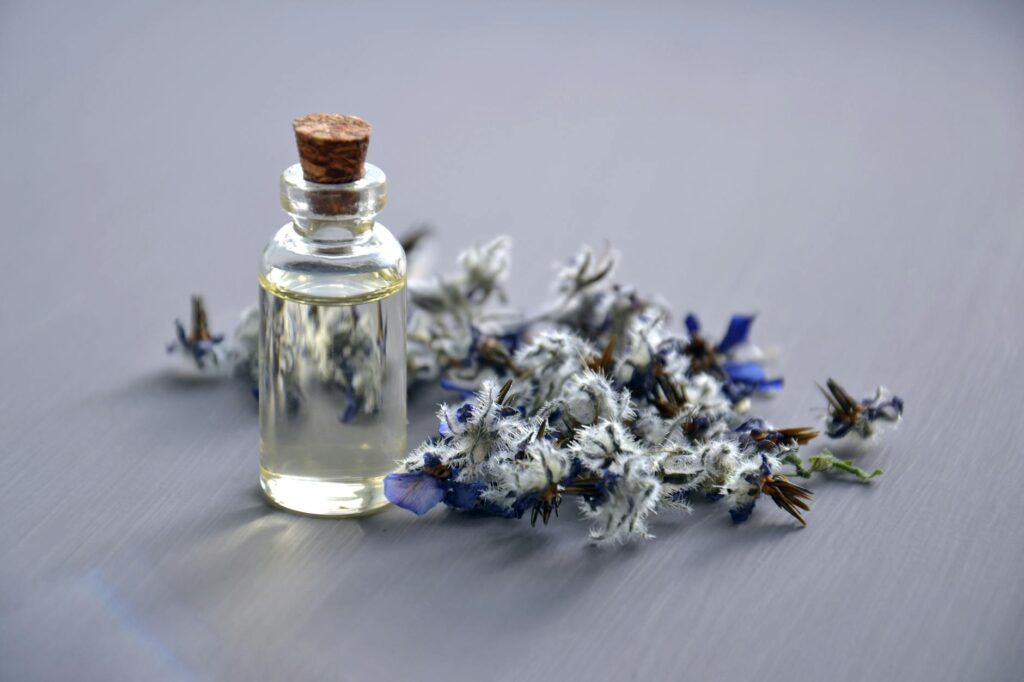
Is Hydrodistillation of Lavender Oil Safe? Uses, Benefits and Precautions
Introduction
Lavender oil, derived from the lavender plant (Lavandula angustifolia), is one of the most popular essential oils used in aromatherapy and various applications. Known for its soothing fragrance and therapeutic properties, lavender oil is often extracted through a method called hydrodistillation. This article will delve into the hydrodistillation process of lavender oil, explore its benefits and common uses, and outline safety considerations to ensure responsible use.
What Is Hydrodistillation of Lavender Oil?
Hydrodistillation is a method of extracting essential oils from plant material using water and steam. This process involves placing lavender flowers in a distillation apparatus, where steam is introduced to the plant material. The heat causes the essential oil to evaporate, and as the steam rises, it carries the oil with it. The vapor is then cooled and condensed back into liquid form, separating the oil from the water.
Hydrodistillation is a traditional technique that allows for the preservation of the delicate properties of essential oils while ensuring a high yield. Unlike other extraction methods, such as solvent extraction or CO2 extraction, hydrodistillation is generally considered to be more gentle and less likely to alter the chemical composition of the oils.
Key Benefits and Properties
Lavender oil is celebrated for its numerous benefits, including:
1. Relaxation and Stress Relief: Lavender oil is known for its calming properties, making it a popular choice for reducing anxiety and promoting relaxation. It is often used in diffusers, bath products, and massage oils.
2. Sleep Aid: Many people use lavender oil to improve sleep quality. Its soothing aroma is believed to help create a tranquil environment conducive to restful sleep.
3. Antimicrobial Properties: Studies suggest that lavender oil has antimicrobial properties, which may help inhibit the growth of certain bacteria and fungi. This has led to its inclusion in various personal care products.
4. Pain Relief: Lavender oil is sometimes used topically to alleviate minor aches and pains due to its anti-inflammatory properties.
5. Skin Care: With its potential to soothe skin irritations and promote healing, lavender oil is often found in skincare products aimed at treating conditions like acne and eczema.
6. Insect Repellent: The scent of lavender oil is known to repel certain insects, making it a natural alternative for pest control.
Common Uses
Lavender oil is versatile and can be used in a variety of applications, including:
- Aromatherapy: Often diffused in homes and offices to create a calming atmosphere.
- Massage: Diluted in carrier oils and used for relaxation and relief of muscle tension.
- Bathing: Added to bath water for a soothing experience.
- Household Products: Incorporated into cleaning products for its pleasant scent and potential antibacterial properties.
- Cosmetics and Skincare: Used in lotions, creams, and serums for its soothing and fragrant qualities.
- Diffusion: Using a diffuser to disperse lavender oil into the air can help create a serene environment. This practice is often recommended for those seeking to alleviate stress or improve sleep.
- Inhalation: Inhaling the scent directly from the bottle or from a cotton ball can provide immediate relaxation.
- Topical Application: Lavender oil can be blended with carrier oils and applied to pulse points, such as wrists or temples, for stress relief and relaxation.
- Bathing: Adding a few drops of lavender oil to a warm bath can enhance the experience, promoting relaxation and soothing the mind.
- Keep It Cool: Store lavender oil in a cool, dark place away from direct sunlight and heat sources. A cabinet or drawer is ideal.
- Use Dark Glass Bottles: Essential oils should be stored in dark glass bottles to protect them from light degradation. Avoid plastic bottles, as the oil can react with plastic materials.
- Tight Sealing: Ensure the bottle is tightly sealed when not in use to prevent oxidation and evaporation.
Aromatherapy Applications
In aromatherapy, lavender oil is frequently employed for its therapeutic benefits. Some common applications include:
Safety Considerations
While lavender oil is generally regarded as safe for most individuals, it is important to adhere to specific safety precautions:
1. Dilution: Essential oils are highly concentrated substances. When using lavender oil topically, it is advisable to dilute it with a carrier oil (such as jojoba or coconut oil) to prevent skin irritation.
2. Patch Test: Before applying lavender oil to a larger area of skin, conduct a patch test by applying a small amount to a discreet area and observing for any adverse reactions.
3. Pregnancy and Nursing: Pregnant or nursing individuals should consult with a healthcare professional before using lavender oil, as its effects during these periods are not fully understood.
4. Children: Lavender oil is considered safe for older children; however, caution should be exercised with younger children. It is best to consult with a pediatric professional for guidance.
5. Allergies: Individuals with known allergies to lavender or related plants should avoid using lavender oil altogether.
6. Photosensitivity: While lavender oil does not typically cause photosensitivity, it is advisable to avoid exposure to direct sunlight or UV rays after topical application of any essential oil.
7. Medical Conditions: If you have underlying health conditions or are taking medications, consult with a healthcare professional before using lavender oil.
Storage and Shelf Life
To maintain the integrity of lavender oil, proper storage is essential. Follow these guidelines:
The shelf life of lavender oil is typically around 3 to 4 years if stored correctly. However, it is advisable to check for any changes in smell, color, or consistency before use, which may indicate that the oil has gone bad.
Frequently Asked Questions
1. Can lavender oil be ingested?
Ingesting essential oils, including lavender oil, is not recommended unless done under the supervision of a qualified healthcare professional. The concentration of essential oils can be potent and may cause adverse reactions when consumed.
2. Is lavender oil safe for pets?
While lavender oil is generally safe for some pets, it can be harmful to others, particularly cats and small animals. Always consult with a veterinarian before using lavender oil around pets.
3. Can I use lavender oil if I have sensitive skin?
If you have sensitive skin, it is essential to dilute lavender oil with a carrier oil and conduct a patch test before applying it to larger areas of skin.
4. How do I choose a high-quality lavender oil?
Look for lavender oil that is labeled as “100% pure essential oil” and check for certifications such as organic or therapeutic grade. Additionally, consider sourcing oils from reputable brands with transparent sourcing practices.
5. Can lavender oil interact with medications?
Lavender oil may interact with certain medications, particularly those that affect the central nervous system. If you are taking medication, consult with a healthcare professional before using lavender oil.
Conclusion
Hydrodistillation remains a safe and effective method for extracting lavender oil, which is widely appreciated for its numerous benefits and diverse applications. When used responsibly and with an understanding of safety considerations, lavender oil can enhance well-being and create a calming atmosphere in various settings. As with any essential oil, informed and cautious use is key to reaping the benefits while minimizing potential risks.