
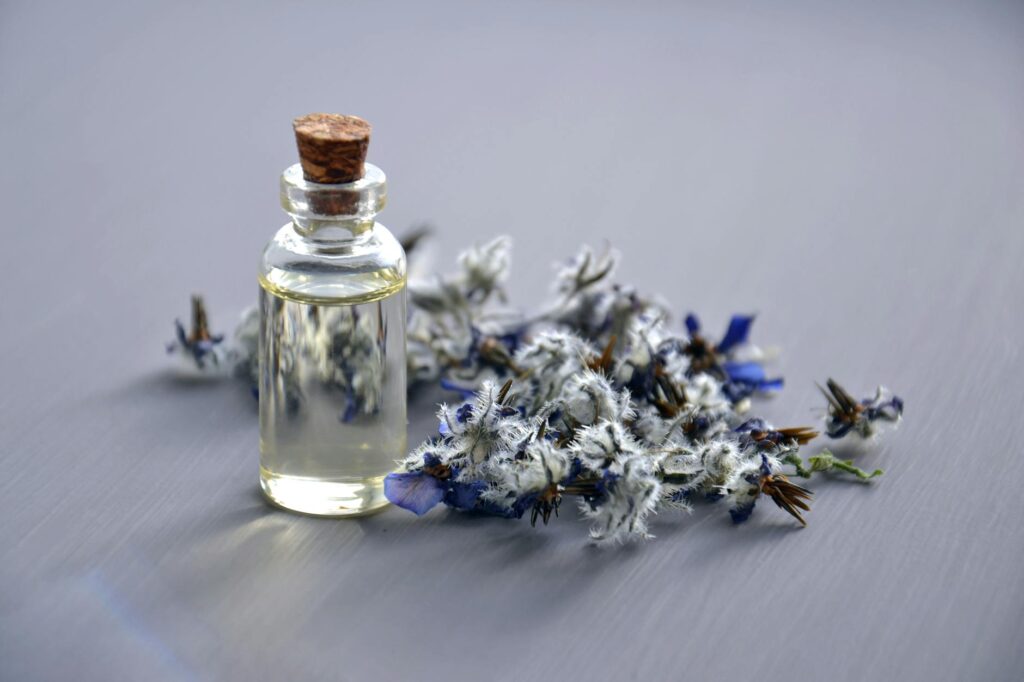
Is Hydrosol of Lavender Safe? Uses, Benefits and Precautions
Introduction
The world of essential oils and aromatherapy has garnered considerable attention over the past few decades, with many seeking natural alternatives for health, relaxation, and enhancement of well-being. Among the many aromatic botanicals, lavender stands out for its calming properties and versatility. While essential oils are often the focus, hydrosols, or floral waters, have emerged as a gentler alternative, particularly for those sensitive to concentrated essential oils. This article delves into lavender hydrosol, exploring its safety, uses, benefits, and precautions.
What Is Hydrosol of Lavender?
Hydrosol, also known as floral water, is created during the steam distillation process of essential oils. When steam passes through plant material, it extracts the aromatic compounds, resulting in two products: essential oil and hydrosol. The hydrosol contains water-soluble components that are gentler than their oil counterparts, making them suitable for various applications.
Lavender hydrosol is derived from the Lavandula angustifolia plant, commonly known as true lavender. This hydrosol retains the soothing fragrance and some of the therapeutic properties of lavender essential oil but in a much milder form. Because of its lower concentration, lavender hydrosol is often well-tolerated by individuals of all ages, including children and pets.
Key Benefits and Properties
Lavender hydrosol is celebrated for its myriad benefits, which can be attributed to the plant’s inherent properties:
1. Calming and Soothing: Lavender is renowned for its ability to promote relaxation and reduce stress. The mild aroma can help alleviate anxiety and enhance overall emotional well-being.
2. Anti-inflammatory: Lavender has natural anti-inflammatory properties, making its hydrosol potentially beneficial for soothing skin irritations and redness.
3. Antimicrobial: The hydrosol has been shown to exhibit antimicrobial activity, which can help in cleansing minor cuts and scrapes.
4. Moisturizing: Lavender hydrosol can serve as a gentle moisturizer for the skin, helping to hydrate and nourish without the heaviness of oils.
5. Balancing: It is often used to balance oily and dry skin types, making it a versatile option for various skin conditions.
6. Support for Sleep: The calming scent of lavender is often associated with improved sleep quality, making lavender hydrosol a popular choice for nighttime routines.
Common Uses
Lavender hydrosol is an incredibly versatile product, lending itself to various applications:
1. Facial Toner: Used as a refreshing facial toner, lavender hydrosol can help balance skin pH and prepare the skin for subsequent skincare products.
2. Room Spray: A simple solution for creating a calming atmosphere, lavender hydrosol can be used in a spray bottle as a room freshener.
3. Hair Care: It can be lightly misted on hair to add hydration and a pleasant scent, while also potentially soothing the scalp.
4. Bathing: Adding lavender hydrosol to bathwater creates a soothing and aromatic experience for relaxation.
5. Baby Care: Due to its gentle nature, it can be safely used on infants for soothing rashes or as a calming spray in the nursery.
6. Pet Care: Lavender hydrosol can be used to create a calming environment for pets, particularly during stressful situations like thunderstorms or fireworks.
Aromatherapy Applications
In aromatherapy, lavender hydrosol is celebrated for its calming and balancing effects. It can be incorporated in various ways:
1. Inhalation: A few spritzes of lavender hydrosol can be inhaled directly or added to a diffuser for a soothing aromatic experience.
2. Meditation and Yoga: Using lavender hydrosol in meditation spaces or during yoga practice can enhance relaxation and mental clarity.
3. Massage: Mixed with carrier oils, lavender hydrosol can be incorporated into massage blends to provide a calming effect during sessions.
4. Skincare Recipes: Lavender hydrosol can be a key ingredient in homemade skincare products, such as creams and serums, offering both hydration and a pleasant aroma.
Safety Considerations
While lavender hydrosol is generally considered safe for most individuals, certain precautions should be observed:
1. Patch Test: It is advisable to conduct a patch test before applying lavender hydrosol topically. Apply a small amount to a discreet area of skin and observe for any adverse reaction.
2. Pregnancy and Nursing: Although generally regarded as safe, it is essential for pregnant or nursing individuals to consult a healthcare provider before using any aromatherapeutic products.
3. Allergic Reactions: Individuals with known allergies to lavender or related plants should exercise caution and avoid use.
4. Dilution: While hydrosols are milder than essential oils, they should still be diluted when used in significant quantities on the skin or in formulations.
5. Children and Pets: While lavender hydrosol is often safe for children and pets, it is prudent to consult a veterinarian or pediatrician regarding its use on animals and infants.
Storage and Shelf Life
Proper storage is crucial for preserving the quality of lavender hydrosol:
1. Cool, Dark Environment: Store lavender hydrosol in a cool, dark place, away from direct sunlight and heat to extend its shelf life.
2. Sealed Containers: Use tightly sealed containers to prevent contamination and evaporation of beneficial compounds.
3. Shelf Life: Typically, lavender hydrosol has a shelf life of 6 months to 1 year when properly stored. Always check for any changes in scent, appearance, or texture before use.
Frequently Asked Questions
1. Can I use lavender hydrosol on my face?
Yes, lavender hydrosol can be used as a facial toner or mist. It is gentle and can help hydrate and balance the skin.
2. Is lavender hydrosol safe for children?
Lavender hydrosol is generally safe for children. However, a patch test is recommended, and consultation with a healthcare provider is advisable for infants.
3. How can I use lavender hydrosol in my daily routine?
Lavender hydrosol can be used in various ways, such as a facial toner, room spray, or added to your bath for relaxation.
4. Can I use lavender hydrosol for my pets?
Lavender hydrosol can be used to create a calming environment for pets, but it is best to consult a veterinarian regarding its use, especially for sensitive animals.
5. How do I know if my lavender hydrosol has gone bad?
Changes in scent, color, or texture can indicate that lavender hydrosol has deteriorated. It is best to err on the side of caution and discard it if you notice any changes.
Conclusion
Lavender hydrosol is a versatile and gentle alternative to essential oils, offering numerous benefits and applications across various domains, from skincare to aromatherapy. While it is generally safe for most individuals, understanding its properties, uses, and precautions will help ensure a positive experience. As with any natural product, informed usage is key to reaping the maximum benefits.