
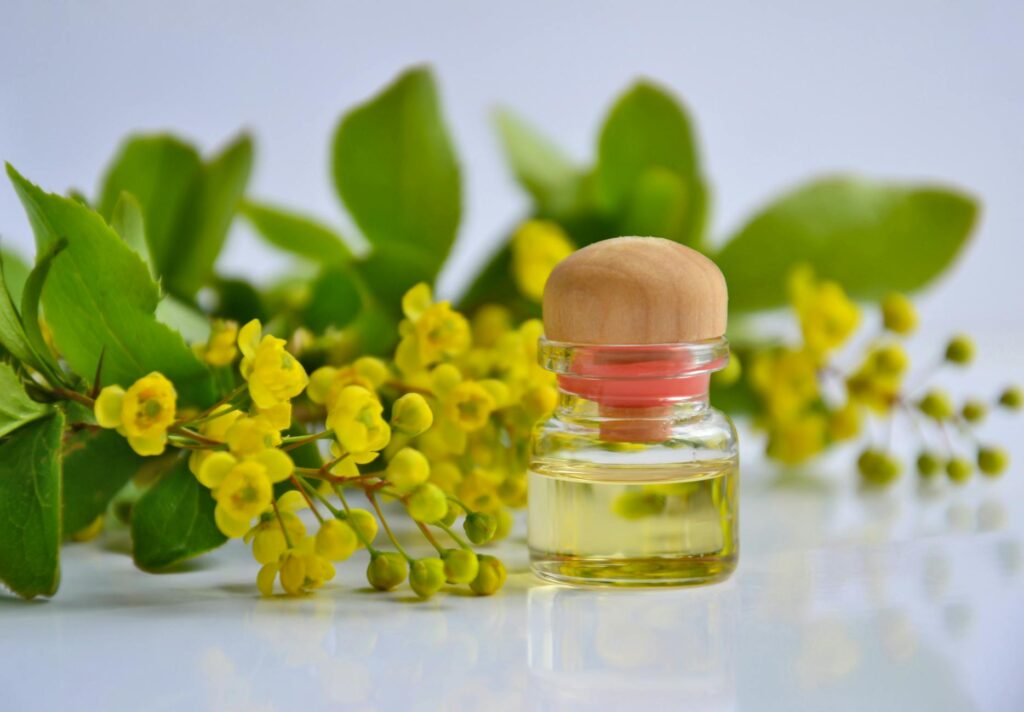
Is Infused Oils Safe? Uses, Benefits and Precautions
Introduction
Infused oils have garnered significant attention in the realms of cooking, cosmetics, and aromatherapy. These oils, created by steeping herbs, flowers, or other plant materials in a carrier oil, harness the essence and properties of the botanicals used. While they are celebrated for their diverse applications and benefits, it is essential to understand their safe use. This article will explore what infused oils are, their benefits, common uses, and important safety precautions.
What Are Infused Oils?
Infused oils are produced by macerating plant materials in a carrier oil, allowing the oil to absorb the plant’s aromatic and therapeutic properties. The process typically involves the following steps:
1. Selection of Plant Material: Common choices include herbs like rosemary, lavender, and chamomile, as well as flowers like calendula and jasmine.
2. Carrier Oil: A neutral oil is selected as the base. Common carrier oils include olive oil, grapeseed oil, and jojoba oil, each offering unique properties.
3. Infusion Process: The plant material is added to the carrier oil and allowed to steep, either through a slow method in a warm environment or a quicker method using heat.
The result is a fragrant oil rich in the beneficial properties of the infused plants.
Key Benefits and Properties
Infused oils come with a variety of benefits, which can differ based on the specific plant materials used. Here are some general properties and benefits associated with infused oils:
- Nutritional Value: Certain infused oils can enhance dietary offerings. For example, garlic-infused olive oil retains some of the beneficial compounds of garlic, potentially adding flavor and nutrition to dishes.
- Skin Benefits: Many infused oils possess moisturizing and soothing properties, making them popular in skincare. For instance, calendula-infused oil is often used for its calming effects on the skin.
- Aromatic Qualities: The scents of infused oils can evoke emotional responses and enhance the ambiance of a space. Lavender-infused oil is often used for its calming aroma.
- Antioxidant Properties: Some infused oils may contain antioxidants derived from the plant materials, contributing to overall wellness.
- Culinary Applications: Infused oils can enhance flavors in salad dressings, marinades, and cooking oils.
- Skincare: They are often used as moisturizers, massage oils, or added to creams and lotions for their beneficial properties.
- Hair Care: Certain infused oils can nourish hair and scalp, providing moisture and enhancing shine.
- Household Products: Infused oils can be incorporated into homemade cleaners, candles, or potpourri for added fragrance.
- Massage: Infused oils are often used in massage therapy, providing both physical and emotional benefits. For example, a lavender-infused oil can help to soothe tension and promote relaxation.
- Diffusion: When used in a diffuser, infused oils can fill a space with their scent, enhancing the atmosphere. Citrus-infused oils can create an energizing environment, while floral oils can promote calmness.
- Bathing: Adding infused oils to bathwater can create a luxurious experience. A few drops of chamomile-infused oil in a warm bath can provide relaxation and comfort.
- Allergic Reactions: Individuals may have allergies or sensitivities to specific plant materials. It is advisable to conduct a patch test before using a new infused oil on the skin.
- Quality of Ingredients: The quality of the carrier oil and the plant materials used is paramount. Oils should be cold-pressed and free from additives or fillers.
- Dilution: When using infused oils for topical applications, it is essential to dilute them appropriately, especially when using potent herbs or flowers. A common dilution guideline is to use 1-2 drops of infused oil per teaspoon of carrier oil.
- Pregnancy and Nursing: Certain infused oils may not be safe for pregnant or nursing women. Consult with a qualified professional for personalized guidance.
- Children and Pets: Some infused oils may not be suitable for children or pets. Researching specific oils is essential before use around them.
- Container: Use dark glass bottles to protect the oils from light degradation. Clear bottles can expose the oil to sunlight, leading to spoilage.
- Temperature: Store infused oils in a cool, dark place, away from heat sources. High temperatures can accelerate rancidity.
- Shelf Life: The shelf life of infused oils can vary depending on the carrier oil used and the ingredients in the infusion. Generally, they can last from 6 months to 2 years. Regularly check for any off smells or changes in color, which may indicate spoilage.
Common Uses
The versatility of infused oils allows them to be used in various ways, including:
Aromatherapy Applications
In aromatherapy, infused oils can be utilized to promote relaxation, uplift mood, and create a calming environment. Here are a few common applications:
Safety Considerations
While infused oils offer numerous benefits, it is crucial to approach their use with caution. Here are some important safety considerations:
Storage and Shelf Life
Proper storage of infused oils is vital to maintain their quality and extend their shelf life. Here are some guidelines:
Frequently Asked Questions
1. Can I make my own infused oils at home?
Yes, making infused oils at home is a straightforward process. Ensure to use high-quality ingredients and follow safe practices for steeping and storage.
2. How long does it take to infuse oils?
The infusion time can vary based on the method. A quick heat method may take a few hours, while a cold infusion can take several weeks.
3. Are infused oils the same as essential oils?
No, infused oils and essential oils are distinct. Essential oils are highly concentrated and extracted through processes like steam distillation, whereas infused oils are made by steeping plant material in a carrier oil.
4. Can I use infused oils for cooking?
Yes, many infused oils are safe and flavorful for culinary uses, but always ensure that the infused oil is made from edible plant materials.
5. What’s the best way to test for allergies?
Perform a patch test by applying a small amount of the infused oil to an inconspicuous area of skin and waiting 24 hours to see if any adverse reaction occurs.
Conclusion
Infused oils offer a wealth of benefits and applications, from enhancing culinary creations to nourishing the skin and elevating the atmosphere through aromatherapy. However, understanding the associated safety precautions is crucial for their effective use. With careful selection, preparation, and storage, infused oils can be a valuable addition to personal wellness and lifestyle practices. Always approach their use thoughtfully and consult reliable sources for further guidance on specific oils and their properties.