
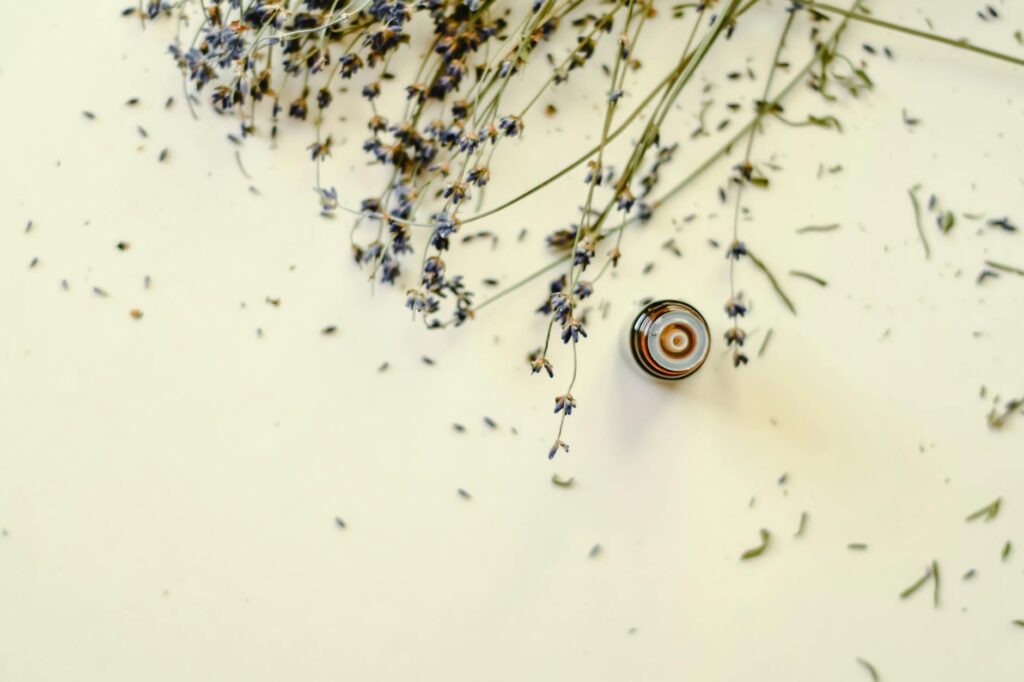
Is Lavender Essential Oil Safe? Uses, Benefits and Precautions
Introduction
Lavender essential oil has emerged as one of the most popular and versatile essential oils in the world of aromatherapy and holistic wellness. Renowned for its calming scent and potential therapeutic properties, lavender oil is often used to promote relaxation, improve sleep quality, and enhance overall well-being. However, alongside its many benefits, it is important to consider the safety and precautions associated with its use. This article delves into the nature of lavender essential oil, its benefits, common applications, and safety considerations.
What Is Lavender Essential Oil?
Lavender essential oil is derived from the flowers of the Lavandula angustifolia plant, commonly known as true lavender. This aromatic herb is native to the Mediterranean region but is now cultivated worldwide. The extraction of lavender oil typically involves steam distillation of the flower spikes, resulting in a clear to pale yellow liquid with a characteristic sweet, floral aroma.
The composition of lavender essential oil includes a variety of chemical constituents such as linalool, linalyl acetate, and camphor, which contribute to its distinct fragrance and therapeutic properties. The quality of lavender oil can vary significantly based on factors such as the plant’s growing conditions, harvesting methods, and distillation processes.
Key Benefits and Properties
Lavender essential oil is celebrated for its array of potential benefits. Some of the most notable properties include:
1. Calming and Relaxation: Lavender is often associated with promoting a sense of calm and relaxation. Its soothing aroma is believed to help alleviate feelings of anxiety and stress.
2. Sleep Aid: Many people use lavender oil as a natural remedy for insomnia and sleep disturbances. Research suggests that inhaling lavender scent before bedtime may enhance sleep quality and duration.
3. Anti-Inflammatory and Antiseptic Properties: Lavender oil has been studied for its anti-inflammatory and antiseptic qualities, making it a popular choice for minor burns, insect bites, and skin irritations.
4. Mood Enhancer: The uplifting scent of lavender may help improve mood and emotional well-being, making it a common choice in diffusers and personal care products.
5. Pain Relief: Some studies suggest that lavender oil may provide relief from headaches, muscle aches, and other forms of discomfort when used in massage or aromatherapy.
Common Uses
Lavender essential oil is versatile and can be employed in various applications, including:
1. Aromatherapy: Often used in diffusers, lavender oil can create a calming environment. It may also be blended with other essential oils to enhance relaxation.
2. Topical Applications: Lavender oil can be added to carrier oils for massage or applied directly (in diluted form) to the skin to promote soothing effects on minor irritations.
3. Bath Products: Lavender is a common ingredient in bath oils, salts, and soaps, where its fragrance can enhance the bathing experience.
4. Household Products: Lavender essential oil is often included in cleaning products and air fresheners due to its pleasant scent and antimicrobial properties.
5. Culinary Uses: Lavender is sometimes used to flavor desserts, beverages, and savory dishes, although culinary-grade lavender should be used in such applications.
Aromatherapy Applications
The applications of lavender essential oil in aromatherapy are extensive. Here are some popular methods:
1. Diffusion: Using an essential oil diffuser, individuals can disperse lavender oil into the air, allowing the aroma to fill a room. This method is particularly effective for creating a peaceful atmosphere.
2. Inhalation: Inhaling lavender oil directly from the bottle or a cotton ball can provide immediate calming effects, helping to ease stress or anxiety.
3. Massage: Diluting lavender essential oil in a carrier oil (such as jojoba or coconut oil) can create a soothing massage oil that promotes relaxation and relieves tension.
4. Bathing: Adding a few drops of lavender oil to a warm bath can provide both aromatic and skin-soothing benefits, creating a tranquil bathing experience.
Safety Considerations
While lavender essential oil is generally considered safe for most people, there are important precautions to keep in mind:
1. Skin Sensitivity: Some individuals may experience skin irritation or allergic reactions to lavender oil. Conducting a patch test by applying a diluted sample to a small area of skin is advisable before broader use.
2. Pregnancy and Breastfeeding: Pregnant or breastfeeding individuals should consult a healthcare professional before using lavender essential oil, as its effects during these periods have not been extensively studied.
3. Children: Lavender oil may be safe for children in diluted forms, but it is essential to seek guidance from a healthcare provider regarding appropriate dosages and applications.
4. Medication Interactions: Lavender essential oil may interact with certain medications, particularly those affecting the central nervous system. Individuals taking such medications should consult their healthcare provider.
5. Quality of Oil: The quality of lavender essential oil can vary widely. It is important to select high-quality, pure essential oil from a reputable source to ensure safety and efficacy.
Storage and Shelf Life
Proper storage is critical to maintaining the integrity of lavender essential oil. To ensure its longevity:
1. Keep in a Cool, Dark Place: Essential oils should be stored in a cool, dark environment away from direct sunlight, as heat and light can degrade the oil.
2. Seal Tightly: Ensure that the bottle is tightly sealed to prevent evaporation and contamination.
3. Shelf Life: Lavender essential oil typically has a shelf life of 3 to 5 years when stored properly. However, always check for changes in aroma or appearance, as these can indicate a decrease in quality.
Frequently Asked Questions
Is lavender essential oil safe for everyone?
While lavender essential oil is generally safe for most people, individuals with skin sensitivities, pregnant or breastfeeding women, and children should exercise caution and consult a healthcare professional before use.
Can lavender essential oil be ingested?
Ingesting lavender essential oil is not commonly recommended unless under the guidance of a qualified healthcare provider. Culinary-grade lavender should be used for flavoring food.
How can I use lavender essential oil for sleep?
To promote sleep, consider using a diffuser with lavender oil a short time before bedtime or applying diluted lavender oil to your pillow or bedsheets.
Is it safe to use lavender essential oil on pets?
Lavender essential oil can be safe for some pets, but caution is advised. Consult a veterinarian for guidance, as some animals may have sensitivities to essential oils.
Can I mix lavender oil with other essential oils?
Yes, lavender essential oil blends well with a variety of other essential oils, including bergamot, chamomile, and peppermint, enhancing its aromatic experience and potential benefits.
Conclusion
Lavender essential oil stands out as a cherished and versatile oil in aromatherapy and holistic practices. With its calming properties and numerous applications, it can enhance emotional well-being and promote relaxation. However, as with any essential oil, it is crucial to understand safety considerations and use it responsibly. By following best practices for storage and application, individuals can enjoy the benefits of lavender essential oil while minimizing risks. Always remember to consult a qualified professional for personalized guidance and recommendations.