
Is Lavender Hydrosol Safe? Uses, Benefits and Precautions
Introduction
Lavender, a member of the Lamiaceae family, is renowned for its calming scent and myriad uses. Among its many forms, lavender hydrosol stands out as a gentle yet effective product derived from the steam distillation of lavender flowers. While essential oils have garnered much attention for their concentrated properties, hydrosols offer a milder alternative that can be used in various applications, from skincare to culinary uses. This article explores the safety, benefits, and practical applications of lavender hydrosol, as well as essential precautions to consider.
What Is Lavender Hydrosol?
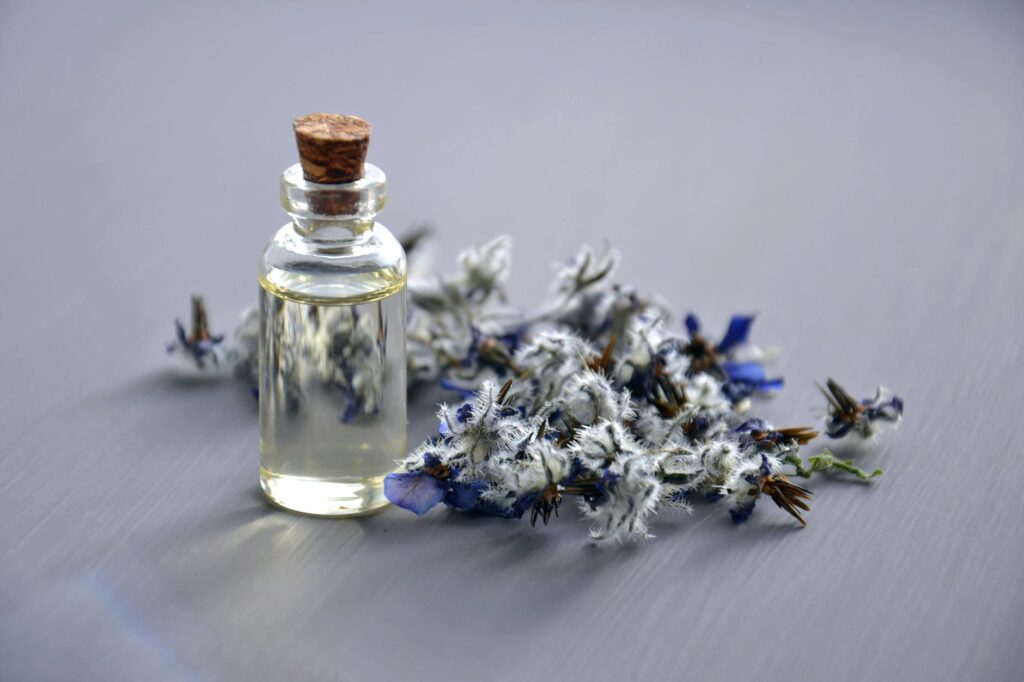
Lavender hydrosol, also known as lavender water, is a byproduct of the steam distillation process used to extract lavender essential oil. During this process, steam passes through the lavender flowers, capturing the volatile compounds and oils. Upon cooling, the steam condenses back into liquid form, resulting in two products: the essential oil and the hydrosol.
Hydrosols contain a small amount of the essential oil, along with water-soluble components, which contribute to their unique properties. Unlike essential oils, which are highly concentrated and potent, hydrosols are gentler and can be safely used in various applications without the need for dilution.
Key Benefits and Properties
Lavender hydrosol is celebrated for its numerous benefits and properties:
1. Calming and Soothing
Lavender has long been associated with relaxation and stress relief. The mild aroma of lavender hydrosol can help promote a sense of calm, making it a popular choice for use in aromatherapy, meditation, and relaxation techniques.
2. Skin Care
Lavender hydrosol possesses anti-inflammatory and antimicrobial properties, making it beneficial for various skin conditions. It can soothe minor burns, cuts, and skin irritations, and it may help balance oily skin, making it suitable for acne-prone individuals.
3. Antioxidant Properties
The presence of antioxidants in lavender hydrosol can help combat free radicals, which are responsible for cellular damage. This property makes it a valuable addition to skincare routines aimed at promoting a youthful appearance.
4. Mood Enhancer
The uplifting aroma of lavender hydrosol may help alleviate feelings of anxiety and depression. Its gentle scent can be used to create a calming atmosphere in the home or workplace.
5. Culinary Uses
Though less common, lavender hydrosol can be used as a flavoring agent in culinary applications. Its floral notes can enhance desserts, beverages, and even savory dishes.
Common Uses
Lavender hydrosol has a broad range of applications, making it a versatile addition to any home. Here are some common uses:
1. Facial Mist
A facial mist with lavender hydrosol can hydrate and soothe the skin, making it an excellent choice for daily skincare routines. It can be sprayed on the face after cleansing or throughout the day for a refreshing boost.
2. Pillow Spray
Spraying lavender hydrosol on pillows or bed linens can create a relaxing environment conducive to sleep. The calming aroma may help ease tension and promote restful slumber.
3. Room Freshener
Lavender hydrosol can be used as a natural room freshener, helping to eliminate odors and create a pleasant atmosphere. It can be sprayed in various spaces, including living rooms, bathrooms, and offices.
4. Hair Care
Adding lavender hydrosol to hair care routines can provide hydration and nourishment to the scalp and hair. It can be used as a leave-in conditioner or added to hair masks.
5. Culinary Flavoring
Lavender hydrosol can be incorporated into recipes to impart a floral flavor. It can be used in beverages like lemonade or cocktails, or as a unique ingredient in desserts such as cakes and ice creams.
Aromatherapy Applications
In aromatherapy, lavender hydrosol is often used for its calming and balancing properties. It can be employed in various ways:
1. Diffusion
While hydrosols are not typically used in diffusers like essential oils, they can be sprayed into the air to create a fragrant environment. This method allows for the gentle release of lavender’s soothing properties.
2. Bathing
Adding lavender hydrosol to bathwater can enhance relaxation. The hydrosol can be combined with Epsom salts or other bath additives for a soothing experience.
3. Massage
Lavender hydrosol can be used as a massage spray, helping to relax tense muscles and promote a sense of well-being.
Safety Considerations
While lavender hydrosol is generally considered safe for most individuals, there are important safety considerations to keep in mind:
1. Allergies
Individuals with known allergies to lavender or related plants should exercise caution. A patch test on a small area of skin is advisable before widespread use.
2. Pregnancy and Nursing
Though lavender hydrosol is generally regarded as safe, pregnant or nursing individuals should consult a healthcare professional before using it.
3. Sensitivity
Some individuals may experience sensitivity to lavender hydrosol. If any irritation occurs, discontinue use immediately and consult a healthcare provider.
4. Storage
Store lavender hydrosol in a cool, dark place to maintain its quality. Exposure to light and heat can degrade its properties over time.
Storage and Shelf Life
The storage of lavender hydrosol is crucial for maintaining its efficacy. Here are some guidelines:
- Containers: Store in dark glass bottles to protect from light. Plastic containers are not recommended for long-term storage.
- Temperature: Keep in a cool, dark place, away from direct sunlight and heat sources.
- Shelf Life: Generally, lavender hydrosol has a shelf life of about 1 to 3 years, depending on storage conditions. Always check for any changes in smell or appearance before use.
Frequently Asked Questions
1. Can lavender hydrosol be used on sensitive skin?
Yes, lavender hydrosol is gentle and can be suitable for sensitive skin. However, it is always best to perform a patch test first.
2. Is lavender hydrosol safe for children?
Lavender hydrosol is generally safe for children, but parents should consult with a pediatrician before introducing any new products.
3. Can I use lavender hydrosol in cooking?
Yes, lavender hydrosol can be used in culinary applications, but it should be used sparingly to avoid overpowering flavors.
4. How do I incorporate lavender hydrosol into my skincare routine?
Lavender hydrosol can be used as a facial mist, added to creams, or incorporated into DIY skincare products.
5. What are the differences between lavender hydrosol and essential oil?
Lavender hydrosol is a diluted byproduct of essential oil distillation and is safer for direct skin application, while essential oils are highly concentrated and usually require dilution.
Conclusion
Lavender hydrosol is a versatile and gentle product, offering a range of benefits and applications suitable for various lifestyles. Its calming properties, combined with its uses in skincare, aromatherapy, and even cooking, make it a valuable addition to any natural wellness routine. By understanding its benefits and adhering to safety precautions, individuals can enjoy the soothing qualities of lavender hydrosol with confidence. Always consider personal sensitivities and consult with professionals when in doubt to ensure a safe and pleasant experience.