
Is Lemon Balm Extract Safe? Uses, Benefits and Precautions
Introduction
Lemon balm (Melissa officinalis) is a perennial herb belonging to the mint family, Lamiaceae. Known for its delightful lemon scent, this herb has been used for centuries in traditional medicine, culinary applications, and, more recently, in aromatherapy. As the popularity of natural remedies continues to rise, many individuals are exploring the potential benefits of lemon balm extract. This article aims to provide a comprehensive overview of lemon balm extract, including its properties, common uses, and safety considerations.
What Is Lemon Balm Extract?
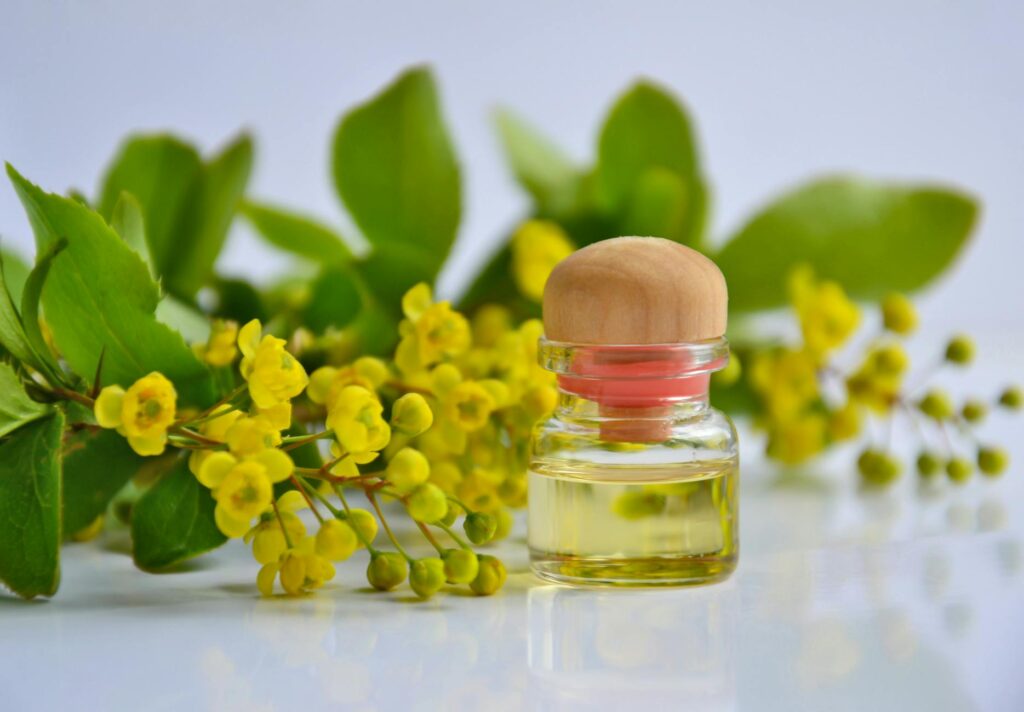
Lemon balm extract is derived from the leaves of the lemon balm plant. The extraction process typically involves using solvents such as water or alcohol to draw out the beneficial compounds from the leaves. These compounds include essential oils, flavonoids, and phenolic acids, which contribute to the herb’s characteristic scent and therapeutic properties. The extract can be found in various forms, including tinctures, oils, and capsules, making it accessible for different applications.
Key Benefits and Properties
Lemon balm is lauded for its numerous potential benefits, primarily attributed to its rich phytochemical profile. Some of the key properties include:
Calming Effects
One of the most well-known benefits of lemon balm is its calming effect. Many people use it to alleviate feelings of stress and anxiety. Compounds such as rosmarinic acid and flavonoids are believed to contribute to these soothing properties.
Antioxidant Activity
Lemon balm is rich in antioxidants, which can help combat oxidative stress in the body. Antioxidants are crucial for neutralizing free radicals, which are unstable molecules that can cause cellular damage.
Digestive Support
Traditionally, lemon balm has been used to aid digestion. It is believed to help relieve symptoms such as bloating, gas, and indigestion, making it a popular choice in herbal teas.
Antimicrobial Properties
Research has indicated that lemon balm exhibits antimicrobial activity against various pathogens, including bacteria and viruses. This property makes it a candidate for further study in natural preservation and health applications.
Common Uses
Lemon balm extract has a variety of applications, both in dietary supplements and topical preparations. Some common uses include:
Dietary Supplement
Lemon balm extract is often found in capsules or tinctures, marketed for its calming effects. It is commonly used by individuals seeking natural ways to support relaxation and overall well-being.
Herbal Teas
Dried lemon balm leaves are frequently used in herbal teas. The infusion offers a pleasant flavor and is often consumed for its soothing effects.
Skincare
Lemon balm extract is sometimes included in skincare products due to its antimicrobial and antioxidant properties. It can be found in creams, lotions, and serums designed to promote healthy skin.
Culinary Applications
In culinary practices, fresh lemon balm leaves can be used to flavor dishes, desserts, and beverages. Its bright, citrusy flavor adds a refreshing twist to various recipes.
Aromatherapy Applications
Aromatherapy utilizes essential oils and plant extracts to promote emotional and physical well-being. Lemon balm essential oil is particularly popular in this field. Its uplifting scent is believed to enhance mood and relieve stress. Here are some common aromatherapy applications:
Diffusion
Lemon balm essential oil can be used in a diffuser to create a calming atmosphere. The aroma may help reduce feelings of anxiety and promote relaxation.
Massage
When diluted with a carrier oil, lemon balm extract can be used in massage therapy. The soothing properties of the oil may enhance relaxation during a massage session.
Bath Additive
Adding lemon balm extract or essential oil to bathwater can create a refreshing and relaxing experience. Its aroma can help to enhance the mood and promote tranquility.
Safety Considerations
While lemon balm extract is generally regarded as safe for most individuals when used appropriately, there are several important safety considerations to keep in mind:
Allergic Reactions
Some individuals may experience allergic reactions to lemon balm. It is advisable to perform a patch test when using it topically for the first time.
Drug Interactions
Lemon balm may interact with certain medications, particularly sedatives and thyroid medications. Individuals taking prescribed medications should consult a healthcare professional before using lemon balm extract.
Pregnancy and Lactation
The safety of lemon balm extract during pregnancy and lactation has not been extensively studied. Pregnant or breastfeeding individuals should exercise caution and consult a healthcare professional before use.
Dosage
The appropriate dosage of lemon balm extract can vary based on the form and concentration. Always follow the manufacturer’s guidelines and consult a healthcare professional for personalized advice.
Storage and Shelf Life
Proper storage of lemon balm extract is essential to maintain its potency and quality. Here are some tips:
Storage Conditions
Lemon balm extract should be stored in a cool, dark place away from direct sunlight. This helps to prevent degradation of the active compounds.
Shelf Life
The shelf life of lemon balm extract can vary depending on the form and the manufacturer. Typically, tinctures and oils may last for one to two years if stored properly. Always check the expiration date to ensure safety and efficacy.
Frequently Asked Questions
1. Can I use lemon balm extract for sleep issues?
While many people use lemon balm extract to promote relaxation, individual results may vary. It is advisable to consult a healthcare professional for personalized recommendations.
2. Is lemon balm extract safe for children?
Lemon balm extract is sometimes used in pediatric formulations; however, dosage and form should be carefully considered. Consulting a healthcare professional is crucial before administering it to children.
3. Can lemon balm extract be used topically?
Yes, lemon balm extract can be used topically when diluted with a carrier oil. It is often included in skincare products for its soothing properties.
4. How can I incorporate lemon balm into my diet?
Fresh lemon balm leaves can be added to salads, teas, and desserts for flavor. Dried leaves can also be used to brew herbal teas. Lemon balm extract can be taken in capsule form or as a tincture.
5. Where can I find lemon balm extract?
Lemon balm extract can be found in health food stores, herbal shops, and online retailers. Look for products from reputable brands to ensure quality and safety.
Conclusion
Lemon balm extract is a versatile herbal remedy with a rich history of use in traditional medicine, culinary practices, and aromatherapy. Its calming effects, antioxidant properties, and potential digestive support make it an appealing option for those seeking natural wellness solutions. However, it is essential to consider safety precautions and consult healthcare professionals if there are any concerns regarding usage. By understanding the benefits and limitations of lemon balm extract, individuals can make informed decisions about incorporating this herb into their routines.