
Is Lemongrass Oil Safe? Uses, Benefits, and Precautions
Introduction
Lemongrass oil, derived from the leaves and stalks of the lemongrass plant (Cymbopogon citratus), has gained considerable popularity in recent years due to its refreshing citrus aroma and numerous applications in both culinary and therapeutic contexts. As with any essential oil, understanding its safety, benefits, and potential side effects is crucial for effective and responsible use. This article aims to provide an in-depth exploration of lemongrass oil, focusing on its safety, uses, benefits, and precautions.
What Is Lemongrass Oil Safety?
When discussing the safety of lemongrass oil, it is essential to consider its composition, potential risks, and the appropriate methods of use. Lemongrass oil contains various compounds, including citral, geraniol, and myrcene, which contribute to its aromatic and therapeutic properties. While many people enjoy lemongrass oil without issues, some individuals may experience adverse reactions.
Safety considerations also include the method of application—whether it is used in aromatherapy, topical applications, or ingestion. Each method has its own safety guidelines, and adherence to these guidelines is essential for safe usage.
Key Benefits and Properties
Lemongrass oil is renowned for its diverse range of benefits, which can be categorized into several key properties:
Antimicrobial Properties
Research suggests that lemongrass oil possesses significant antimicrobial activity. It has been shown to inhibit the growth of various bacteria and fungi, making it a popular choice for natural cleaning products and personal care formulations.
Anti-inflammatory Effects
Lemongrass oil is also recognized for its anti-inflammatory properties, which may help alleviate discomfort associated with conditions such as muscle soreness and joint pain.
Mood Enhancement
The invigorating scent of lemongrass oil is believed to have mood-enhancing properties. Inhalation of its aroma may promote relaxation and reduce feelings of anxiety, making it a popular choice in aromatherapy.
Digestive Support
While not a substitute for medical treatment, some people use lemongrass oil to support digestive health, as it is thought to promote healthy digestion and reduce bloating.
Common Uses
Lemongrass oil is versatile and can be employed in various contexts:
Aromatherapy
The uplifting aroma of lemongrass oil is often used in diffusers or added to bathwater for relaxation and stress relief.
Culinary Uses
In cooking, lemongrass is commonly utilized in Southeast Asian cuisine. While essential oils should be used sparingly in food, culinary-grade lemongrass oil can impart a vibrant flavor to dishes when used appropriately.
Skincare
Due to its antimicrobial and anti-inflammatory properties, lemongrass oil is frequently included in skincare products. It may help to cleanse the skin and reduce the appearance of blemishes.
Household Cleaning
Many natural cleaning products incorporate lemongrass oil for its pleasant scent and antimicrobial properties, making it an effective ingredient for homemade cleaners.
Aromatherapy Applications
In aromatherapy, lemongrass oil is often used to uplift mood and promote a sense of well-being. Here are some common applications:
Diffusion
Adding a few drops of lemongrass oil to a diffuser can fill a room with its refreshing aroma, helping to create a calming atmosphere.
Massage
Diluting lemongrass oil with a carrier oil and using it in massage can provide both aromatic and physical benefits, potentially relieving muscle tension and enhancing relaxation.
Bathing
Incorporating lemongrass oil into bath water can create a spa-like experience, promoting relaxation and rejuvenation.
Safety Considerations
Though lemongrass oil is generally considered safe for many users, there are several important safety considerations to keep in mind:
Skin Sensitivity
Some individuals may experience skin irritation when applying lemongrass oil topically, especially if used undiluted. It is advisable to conduct a patch test before widespread use. Diluting lemongrass oil with a carrier oil, such as coconut or jojoba oil, can minimize the risk of irritation.
Pregnancy and Nursing
While lemongrass oil is often deemed safe for external use, pregnant or nursing women should consult with a healthcare professional before using it in any form.
Allergies
Individuals with known allergies to grasses or other plants in the Poaceae family should exercise caution and consult a healthcare provider before using lemongrass oil.
Ingestion
Ingesting lemongrass oil should be approached with caution. While culinary-grade oils may be safe in small quantities, it is essential to consult a qualified professional before consuming any essential oil.
Children and Pets
Lemongrass oil should be kept out of reach of children and pets. If considering its use around animals, consult a veterinarian, as some essential oils can be toxic to pets.
Storage and Shelf Life
Proper storage of lemongrass oil is crucial to maintain its quality and efficacy. Here are some recommendations:
Storage Conditions
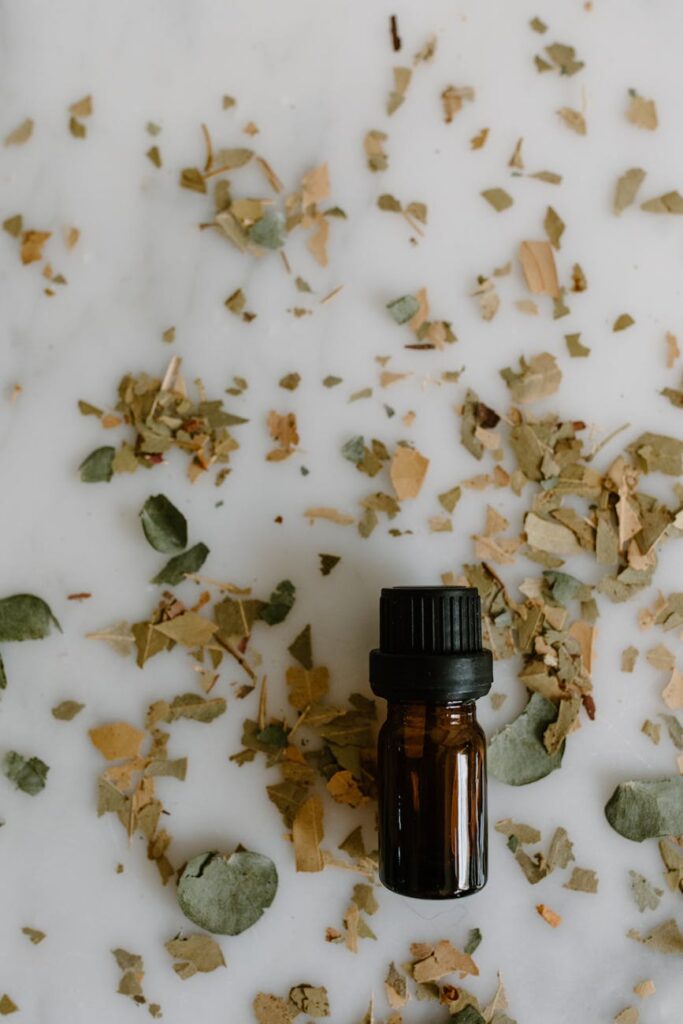
Lemongrass oil should be stored in a cool, dark place, away from direct sunlight. Glass containers are preferable to plastic, as essential oils can degrade plastic over time.
Shelf Life
When stored correctly, lemongrass oil typically has a shelf life of about 1 to 2 years. However, its potency may diminish over time. An oil that has changed color or developed an off-putting smell may be past its prime and should be discarded.
Frequently Asked Questions
1. Is lemongrass oil safe for everyone?
While lemongrass oil is generally considered safe for many individuals, those with specific allergies, pregnant or nursing women, and children should consult a healthcare professional before use.
2. Can lemongrass oil be ingested?
Ingesting lemongrass oil is not recommended unless under the guidance of a qualified professional. Culinary-grade oils may be safe in small amounts, but caution is advised.
3. How can I use lemongrass oil in skincare?
Dilute lemongrass oil with a carrier oil and apply it to the skin. It can be included in homemade skincare formulations or added to lotions and creams.
4. What are the signs of lemongrass oil spoilage?
Signs of spoilage may include changes in color, cloudiness, or an off-putting odor. If you notice any of these changes, it is best to discard the oil.
5. Can lemongrass oil help with stress?
The invigorating aroma of lemongrass oil is often used in aromatherapy to promote relaxation and reduce stress. However, individual responses may vary.
Conclusion
Lemongrass oil is a versatile essential oil with various benefits and applications. Its refreshing aroma and potential therapeutic properties make it a valuable addition to many households. However, safety considerations are paramount. By understanding the proper usage, potential risks, and storage guidelines, individuals can safely enjoy the many advantages of lemongrass oil. Always consult with a qualified professional for personalized advice, especially when it comes to health-related matters.