
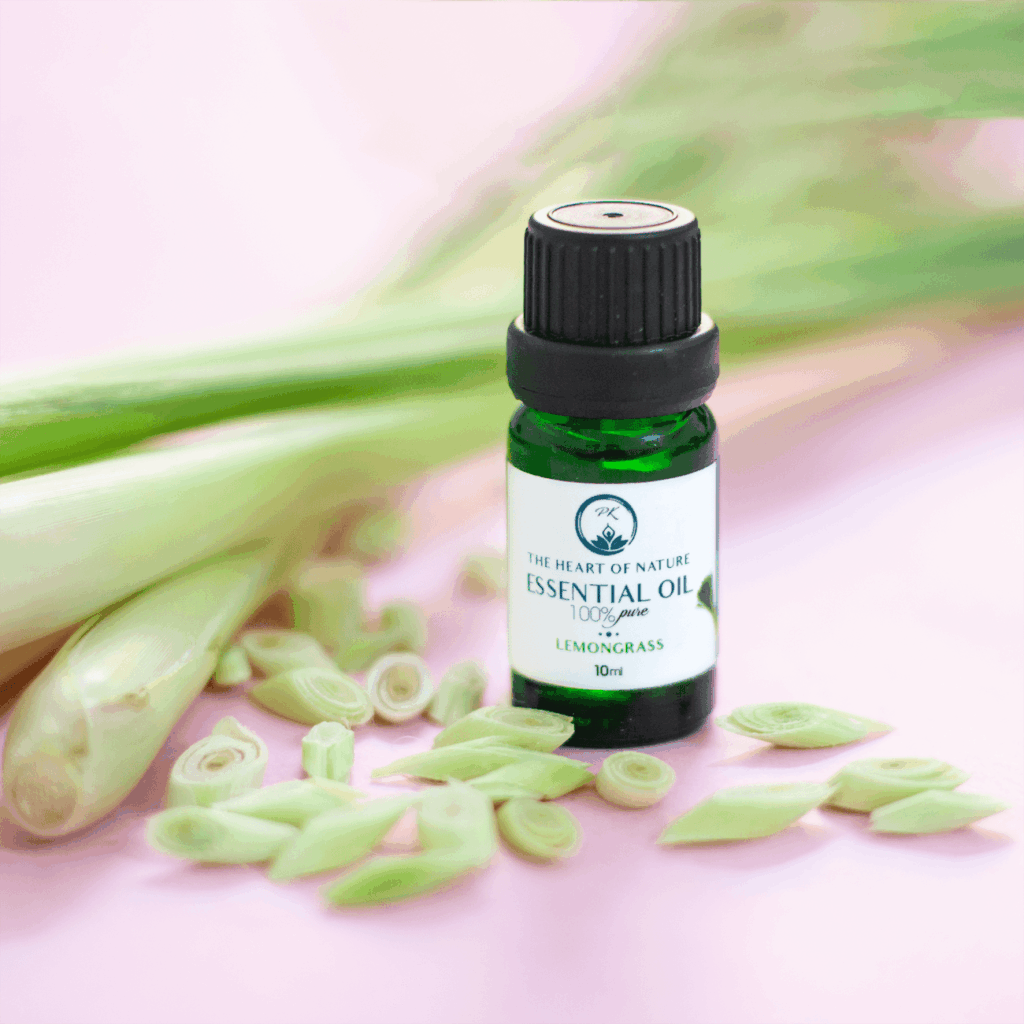
Is Macerated Oils Safe? Uses, Benefits and Precautions
Introduction
Macerated oils have gained popularity in the world of natural skincare, aromatherapy, and herbal remedies. Often heralded for their soothing properties and versatility, these oils are created through a process that infuses plant material into a carrier oil, allowing the beneficial properties of the herbs to permeate the oil. This article will explore the nature of macerated oils, their uses, benefits, safety considerations, and common applications in aromatherapy.
What Are Macerated Oils?
Macerated oils are oils that have been infused with herbs or botanicals through a process known as maceration. This method involves soaking plant materials, such as leaves, flowers, or roots, in a carrier oil to extract their active compounds. The process typically takes several weeks, allowing the oil to absorb the essence and therapeutic qualities of the botanicals.
The carrier oils used can range from olive oil to jojoba oil, each contributing unique properties to the final product. The resulting macerated oil can vary in fragrance, color, and texture, depending on the plant material used and the duration of the infusion process.
Key Benefits and Properties
Macerated oils are celebrated for their various beneficial properties, which may include:
1. Nutrient-Rich Composition: Macerated oils often retain the vitamins, minerals, and antioxidants from the infused plant material. This can enhance the nutritional profile of the oil.
2. Enhanced Skin Benefits: Many macerated oils are known for their moisturizing properties, making them suitable for various skin types. They can help soothe irritated skin, provide hydration, and improve overall skin texture.
3. Aromatherapy Benefits: The aroma of the infused plant material can provide therapeutic benefits, promoting relaxation, stress relief, and emotional well-being when used in aromatherapy applications.
4. Antioxidant Properties: Some macerated oils may contain antioxidants that help protect the skin from free radicals, thereby supporting skin health.
5. Anti-inflammatory Effects: Certain plant materials used in maceration may possess anti-inflammatory properties, making macerated oils potentially beneficial for soothing minor skin irritations.
Common Uses
Macerated oils have a wide range of applications, including:
1. Skincare: Due to their nourishing properties, macerated oils are commonly used in skincare formulations. They can be applied directly to the skin or blended into lotions, creams, and balms.
2. Massage Oils: The soothing nature of macerated oils makes them ideal for use in massage therapy. They can be blended with essential oils for enhanced therapeutic effects.
3. Hair Care: Macerated oils can be beneficial for hair health, providing moisture and nourishment to dry or damaged hair.
4. Bath Products: Adding macerated oils to bathwater can create a luxurious, moisturizing experience, enhancing relaxation and skin nourishment.
5. Homemade Remedies: Macerated oils can serve as a base for various DIY herbal remedies, including salves, ointments, and infused oils for cooking.
Aromatherapy Applications
In aromatherapy, macerated oils can serve as both carrier oils and anchoring components of blends. Their aromas can influence mood and emotional states, making them valuable in creating soothing environments. Some popular macerated oils and their applications in aromatherapy include:
1. Calendula Oil: Known for its anti-inflammatory properties, calendula macerated oil is often used in blends aimed at promoting relaxation and comfort.
2. St. John’s Wort Oil: Frequently used for its purported calming effects, St. John’s Wort oil can be incorporated into blends intended for stress relief.
3. Lavender Oil: Infused lavender macerated oil can enhance relaxation and contribute a calming scent to massage or diffusion blends.
4. Rosemary Oil: Rosemary macerated oil is often used for mental clarity and focus, making it a popular choice in energizing aromatherapy blends.
Safety Considerations
While macerated oils are generally considered safe for topical use, it is essential to keep certain precautions in mind:
1. Skin Sensitivity: Always perform a patch test before using any new oil on the skin. Apply a small amount to a discreet area and monitor for any adverse reactions.
2. Quality of Ingredients: Ensure that the carrier oil and botanical materials used in the maceration process are of high quality and free from contaminants or additives.
3. Pregnancy and Nursing: Pregnant or nursing individuals should consult with a qualified professional before using macerated oils, as some botanicals may not be recommended during these periods.
4. Allergies: Individuals with known allergies to specific plants should avoid macerated oils containing those botanicals to prevent allergic reactions.
5. Sun Sensitivity: Some macerated oils, especially those made from citrus fruits, can cause photosensitivity. Avoid applying these oils before sun exposure.
6. Consultation with Professionals: For specific conditions or concerns, it is advisable to consult with a healthcare provider or aromatherapist before using macerated oils.
Storage and Shelf Life
Proper storage is crucial to maintaining the quality and efficacy of macerated oils. Here are some recommendations:
1. Dark Glass Containers: Store macerated oils in dark glass bottles to protect them from light, which can degrade the oil over time.
2. Cool, Dry Place: Keep the oils in a cool, dry area away from direct sunlight and heat sources to extend their shelf life.
3. Shelf Life: The shelf life of macerated oils can vary depending on the carrier oil used and the plant material infused. Generally, they can last anywhere from six months to two years. Always check for any signs of rancidity or change in smell before use.
Frequently Asked Questions
1. What is the difference between macerated oils and essential oils?
Macerated oils are created by infusing plant material into a carrier oil, whereas essential oils are concentrated extracts obtained through distillation or cold pressing. Macerated oils contain the physical properties of the herb, while essential oils capture the volatile aromatic compounds.
2. Can macerated oils be used for cooking?
While some macerated oils may be safe for culinary use, it is essential to ensure that the plant materials used are food-safe. Always check the sources and quality of the ingredients before using them in food preparations.
3. Are macerated oils suitable for all skin types?
Macerated oils can be suitable for various skin types, but individual reactions can vary. It’s best to conduct a patch test and select oils tailored to specific skin concerns.
4. How long does it take to make macerated oils at home?
The maceration process typically takes between 2 to 6 weeks, depending on the desired strength of the infusion. The longer the infusion, the more potent the oil will be.
5. Can I make macerated oils using dried herbs?
Yes, dried herbs can be used to create macerated oils. However, ensure that the herbs are of high quality and free from additives. Dried herbs may take slightly longer to infuse compared to fresh ones.
Conclusion
Macerated oils offer a wealth of benefits and applications, making them a valuable addition to natural skincare, aromatherapy, and homemade remedies. While generally safe for use, it is essential to observe proper precautions and conduct thorough research to ensure quality and suitability for individual needs. With their diverse properties and potential applications, macerated oils continue to be a cherished resource in the realm of natural health and wellness.