
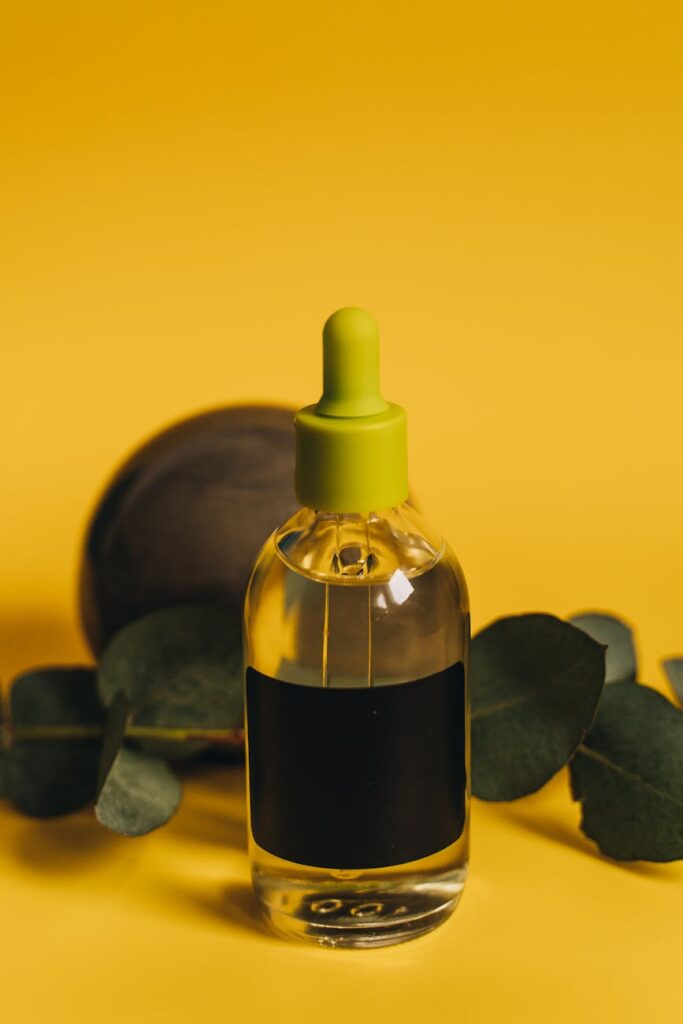
Is Maracuja Oil Safe? Uses, Benefits and Precautions
Introduction
In recent years, the popularity of essential oils and carrier oils has surged, with enthusiasts exploring the myriad benefits of these natural substances. Among these oils, maracuja oil, derived from the seeds of the passion fruit (Passiflora edulis), has gained attention for its unique properties and applications. This article delves into the essential aspects of maracuja oil, including its benefits, uses, and safety considerations, providing a comprehensive overview for those interested in incorporating this oil into their wellness routine.
What Is Maracuja Oil?
Maracuja oil, often referred to as passion fruit seed oil, is extracted from the seeds of the maracuja fruit, which is native to South America. The oil is obtained through cold-pressing, a method that preserves its beneficial properties. Rich in essential fatty acids, vitamins, and antioxidants, maracuja oil has been traditionally used in cosmetics and culinary applications.
The oil has a light texture and is quickly absorbed by the skin, making it an appealing choice for topical applications. Its mild, slightly fruity aroma adds to its allure in various formulations.
Key Benefits and Properties
Maracuja oil boasts an impressive array of beneficial properties, making it a valuable addition to both skincare and wellness regimens. Some key benefits include:
1. High in Fatty Acids
Maracuja oil is rich in linoleic acid, an omega-6 fatty acid that helps to maintain the skin’s natural barrier, promoting hydration and elasticity. This makes it particularly beneficial for individuals with dry or sensitive skin.
2. Antioxidant Properties
Packed with antioxidants, maracuja oil helps to combat oxidative stress and free radical damage, which may contribute to premature aging. The presence of vitamins A and C further enhances its protective effects.
3. Anti-Inflammatory Effects
The oil has been noted for its anti-inflammatory properties, which may help soothe irritated skin and reduce the appearance of redness or swelling. This makes it suitable for those with conditions like eczema or acne.
4. Balancing Oily Skin
Interestingly, maracuja oil can be beneficial for oily skin types. Its high linoleic acid content can help regulate sebum production, potentially reducing the likelihood of clogged pores and breakouts.
Common Uses
Maracuja oil can be utilized in various ways, making it a versatile addition to personal care routines. Some common applications include:
1. Skincare
Maracuja oil is frequently incorporated into skincare products, including moisturizers, serums, and facial oils. Its lightweight texture makes it suitable for layering under makeup or other treatments.
2. Haircare
The hydrating properties of maracuja oil can also benefit hair. It can be added to shampoos and conditioners or used as a leave-in treatment to enhance shine and moisture.
3. Culinary Uses
In addition to its cosmetic applications, maracuja oil is sometimes used in culinary practices. Its light flavor can enhance dressings, sauces, and marinades, adding a unique twist to dishes.
4. Massage Oil
Due to its smooth texture and skin-nourishing properties, maracuja oil can serve as an excellent carrier oil for massage, providing a soothing experience while moisturizing the skin.
Aromatherapy Applications
While maracuja oil is primarily known for its topical applications, it can also play a role in aromatherapy. Its subtle, fruity aroma may promote relaxation and a sense of well-being. Here are a few ways to incorporate maracuja oil into aromatherapy practices:
1. Diffusion
Adding a few drops of maracuja oil to a diffuser can create a calming atmosphere, ideal for relaxation or meditation. It can be blended with other essential oils such as lavender or bergamot for enhanced effects.
2. Bathing
Incorporating maracuja oil into bathwater can provide a nourishing and aromatic experience. Mixing it with Epsom salts or other bath oils enhances the overall relaxation effect.
3. Homemade Blends
Maracuja oil can be included in homemade massage blends or skin formulations. Its compatibility with various essential oils makes it a versatile choice for personalized aromatherapy products.
Safety Considerations
While maracuja oil is considered safe for most individuals when used appropriately, there are several precautions to keep in mind:
1. Skin Sensitivity
As with any oil, it is advisable to conduct a patch test before applying maracuja oil to larger areas of the skin. This helps to identify any potential allergic reactions or sensitivities.
2. Pregnancy and Nursing
Due to limited research on the effects of maracuja oil during pregnancy and breastfeeding, it is recommended that pregnant or nursing individuals consult with a healthcare professional before use.
3. Photosensitivity
Though maracuja oil is not typically known for causing photosensitivity like some citrus oils, it is prudent to avoid direct sun exposure immediately after application to the skin.
4. Quality of Product
When purchasing maracuja oil, it is essential to ensure that you are sourcing high-quality, cold-pressed oil from reputable suppliers. This ensures that the oil retains its beneficial properties and is free from contaminants.
Storage and Shelf Life
To maintain the integrity of maracuja oil, proper storage is essential. Here are some tips:
1. Keep in a Cool, Dark Place
Store maracuja oil in a cool, dark location away from direct sunlight and heat sources. This helps prevent oxidation and prolongs the shelf life of the oil.
2. Use Dark Glass Containers
If possible, choose dark glass containers for storage, as these can protect the oil from light damage.
3. Check Expiration Dates
Maracuja oil has a shelf life of approximately 1 to 2 years when stored correctly. Be sure to check expiration dates and use the oil within this timeframe for optimal benefits.
Frequently Asked Questions
1. Can maracuja oil be used on all skin types?
Yes, maracuja oil is generally suitable for all skin types, including oily, dry, and sensitive skin. However, individual reactions may vary, so it is advisable to conduct a patch test before widespread use.
2. Is maracuja oil safe for children?
While maracuja oil is considered safe, it is recommended to consult with a healthcare professional before using it on children, especially for topical applications.
3. Can I ingest maracuja oil?
While maracuja oil is sometimes used in culinary applications, it is essential to ensure that the oil is food-grade and safe for consumption. Consult product labels and manufacturer recommendations.
4. How does maracuja oil compare to other oils?
Maracuja oil has unique properties that set it apart from other oils, such as argan or jojoba oil. Its high linoleic acid content and lightweight texture make it particularly effective for hydration and skin balance.
5. Where can I buy maracuja oil?
Maracuja oil can be found in health food stores, specialty cosmetic shops, and online retailers. Always choose high-quality, cold-pressed options to ensure the best benefits.
Conclusion
Maracuja oil offers a wealth of benefits and applications, making it a versatile addition to both skincare and wellness routines. With its nourishing properties, it holds promise for individuals seeking natural solutions to enhance their overall well-being. By understanding the benefits, uses, and safety considerations of maracuja oil, individuals can make informed choices about incorporating this oil into their daily lives. Always consult with a healthcare professional for personalized guidance, particularly when it comes to skincare and wellness products.