
Is Marula Oil Safe? Uses, Benefits and Precautions
Introduction
As interest in natural remedies and holistic wellness continues to grow, essential oils and carrier oils have gained remarkable popularity. Among these, marula oil stands out for its unique properties and versatility. Extracted from the seeds of the marula tree (Sclerocarya birrea), native to sub-Saharan Africa, marula oil is celebrated not only for its nourishing qualities but also for its aromatic benefits. This article delves into the characteristics of marula oil, its uses, benefits, and essential safety considerations.
What Is Marula Oil?
Marula oil is a cold-pressed oil obtained from the seeds of the marula fruit. The marula tree is known for its resilience and ability to thrive in harsh conditions, and its fruit is enjoyed as a food source by both humans and wildlife. The oil itself is light, non-greasy, and rich in essential fatty acids, antioxidants, and vitamins, making it a valuable addition to skincare and wellness routines.
The oil has a pale yellow to clear color and a light nutty aroma. Its composition primarily consists of oleic acid (approximately 70%), linoleic acid, and palmitic acid, contributing to its moisturizing and emollient properties.
Key Benefits and Properties
Marula oil is renowned for its multifaceted benefits, which include:
1. Moisturizing Properties: Due to its high oleic acid content, marula oil penetrates the skin easily, providing deep hydration without clogging pores. It is particularly beneficial for dry or sensitive skin types.
2. Antioxidant Rich: Marula oil is packed with antioxidants, such as vitamins C and E, which help fight free radicals, potentially reducing signs of aging and promoting skin health.
3. Anti-Inflammatory Effects: The oil has anti-inflammatory properties that may help soothe irritated skin and reduce redness, making it suitable for conditions like eczema or psoriasis.
4. Non-Comedogenic: Unlike some oils that can clog pores, marula oil is non-comedogenic, making it suitable for use on all skin types, including oily and acne-prone skin.
5. Nutrient-Rich: Apart from fatty acids, marula oil contains essential minerals and nutrients that promote overall skin health.
Common Uses
Marula oil has a variety of applications in personal care and cosmetics:
1. Skincare: It is frequently used as a moisturizer, serum, or facial oil, often applied directly to the skin or blended with other oils.
2. Hair Care: Marula oil can be used as a hair treatment to improve shine, reduce frizz, and hydrate dry strands. It is commonly included in shampoos, conditioners, and styling products.
3. Massage Oil: Due to its lightweight texture, marula oil is often used as a carrier oil for essential oils in massage therapy.
4. Makeup Remover: Its ability to dissolve makeup makes it a popular choice for gentle cleansing products.
5. Nail and Cuticle Care: Marula oil can help nourish and strengthen nails and soften cuticles.
Aromatherapy Applications
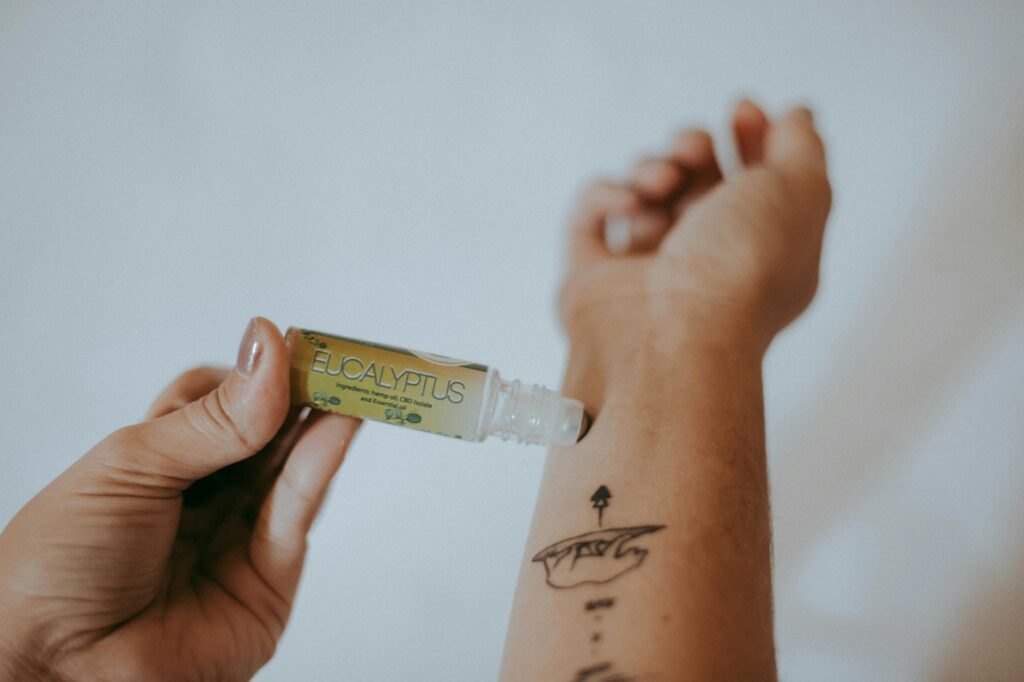
While marula oil is primarily regarded as a carrier oil, it can also be used in aromatherapy. When blended with essential oils, it serves as an excellent medium for topical application or diffusion. Its subtle nutty aroma can complement various essential oils, enhancing the overall sensory experience.
Blending Suggestions
- Citrus Oils: Pairing marula oil with essential oils like bergamot, lemon, or sweet orange can create uplifting and energizing blends.
- Floral Oils: Blending marula with lavender or geranium can provide calming and soothing effects.
- Woodsy Oils: Combining marula oil with cedarwood or frankincense can evoke grounding and balancing sensations.
- Keep the oil in a tightly sealed container to minimize exposure to air.
- Store it away from direct sunlight and heat sources.
When using marula oil in aromatherapy, it is essential to consider the dilution ratios to ensure safe and effective use.
Safety Considerations
Although marula oil is generally considered safe for topical use, some precautions should be observed:
1. Patch Test: Before applying marula oil or any new oil to a larger skin area, it is advisable to conduct a patch test. Apply a small amount to a discreet area and wait 24 hours to check for any adverse reactions.
2. Pregnancy and Nursing: While marula oil is often deemed safe for general use, pregnant and nursing individuals should consult with a healthcare professional before incorporating it into their routines.
3. Allergies: Individuals with a history of nut allergies should exercise caution, as marula oil is derived from a nut-like seed. If in doubt, consult with a healthcare professional before use.
4. Interactions: If you are taking medications or have underlying health conditions, it is wise to seek advice from a qualified healthcare provider to avoid potential interactions.
5. Storage: Proper storage is crucial to maintain the oil’s integrity. Store marula oil in a cool, dark place to prevent oxidation and prolong its shelf life.
Storage and Shelf Life
The shelf life of marula oil can vary depending on storage conditions. When stored properly in a dark glass bottle in a cool environment, marula oil can last up to two years. Exposure to heat, light, and air can lead to rancidity, compromising its quality and effectiveness.
To ensure longevity:
Regularly check for changes in color, scent, or texture, which may indicate that the oil has gone bad.
Frequently Asked Questions
1. Is marula oil suitable for all skin types?
Yes, marula oil is non-comedogenic and is often well-tolerated by various skin types, including oily, dry, and sensitive skin.
2. Can marula oil be used on the face?
Absolutely. Marula oil is commonly used in facial products and can serve as a moisturizer or serum.
3. How can I incorporate marula oil into my skincare routine?
You can add a few drops to your moisturizer, use it as a standalone facial oil, or mix it with other essential oils for a customized blend.
4. Is marula oil safe for children?
While marula oil is generally safe, it is recommended to consult with a pediatric healthcare provider before using it on children.
5. Can marula oil be ingested?
Marula oil is primarily intended for topical use, and ingestion is not commonly recommended. Always consult a healthcare professional before considering internal use.
Conclusion
Marula oil is a versatile and nutrient-rich oil that offers a multitude of benefits for skin and hair care. Its moisturizing, antioxidant, and anti-inflammatory properties make it a valuable addition to various personal care products. While generally safe, it is essential to observe proper usage guidelines and conduct patch tests to ensure compatibility with your body. By understanding the benefits, uses, and precautions associated with marula oil, you can make informed decisions about incorporating this remarkable oil into your wellness routine.