
Is Medicinal Perennials Safe? Uses, Benefits and Precautions
Introduction
Medicinal perennials have long been revered in various cultures for their therapeutic properties and applications. These plants, characterized by their ability to live for multiple years, offer a wealth of benefits ranging from culinary uses to support in holistic healing practices. This article delves into the definition, benefits, common uses, and safety considerations associated with medicinal perennials, particularly focusing on their role in aromatherapy.
What Is Medicinal Perennials?
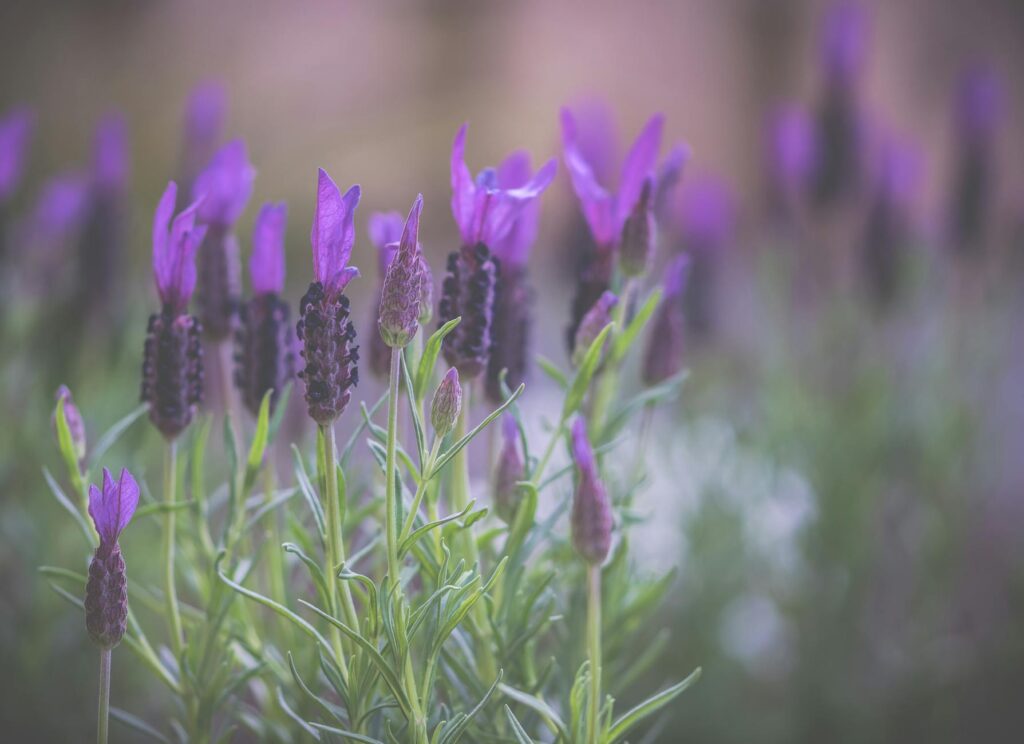
Medicinal perennials are plants that not only thrive for several years but also exhibit properties that can be utilized for health and wellness. Unlike annuals, which must be replanted each year, perennials can provide a sustainable source of beneficial compounds over time. Many medicinal perennials are known for their essential oils, which are extracted from various parts of the plant, including leaves, flowers, and roots. Examples of widely recognized medicinal perennials include lavender (Lavandula angustifolia), rosemary (Rosmarinus officinalis), and echinacea (Echinacea purpurea).
Key Benefits and Properties
The appeal of medicinal perennials lies in their diverse range of beneficial properties. While specific effects may vary among different species, many share common characteristics:
1. Antioxidant Properties: Many medicinal perennials are rich in antioxidants, which can help combat oxidative stress in the body. This property is particularly prominent in herbs like thyme (Thymus vulgaris) and sage (Salvia officinalis).
2. Anti-Inflammatory Effects: Certain perennials possess anti-inflammatory properties, making them useful for soothing various conditions. For instance, turmeric (Curcuma longa) is renowned for its curcumin content, which has been studied for its potential to reduce inflammation.
3. Antimicrobial Activity: Some medicinal perennials have natural antimicrobial properties, making them effective in combating pathogens. Oregano (Origanum vulgare), for example, has been shown to be effective against various bacteria and fungi.
4. Mood Enhancement and Stress Relief: Many aromatic perennials, especially those used in aromatherapy, are known for their ability to promote relaxation and enhance mood. Lavender and chamomile (Matricaria chamomilla) are commonly used for their calming effects.
Common Uses
Medicinal perennials can be utilized in various forms, including teas, tinctures, essential oils, and topical applications. Below are some common uses of these plants:
- Culinary Uses: Many medicinal perennials, such as basil (Ocimum basilicum) and mint (Mentha spp.), are staples in cooking. Their flavors not only enhance dishes but may also confer health benefits.
- Herbal Teas: Perennials like echinacea and peppermint are often brewed into teas for their soothing properties.
- Topical Applications: Essential oils from perennials like tea tree (Melaleuca alternifolia) and lavender can be diluted and applied to the skin for various effects, such as soothing irritations or providing hydration.
- Aromatherapy: The essential oils extracted from medicinal perennials are commonly used in aromatherapy practices to promote emotional and physical well-being.
Aromatherapy Applications
Aromatherapy is a holistic healing practice that utilizes essential oils from medicinal perennials to enhance physical and emotional health. Here are some notable applications:
1. Relaxation and Stress Relief: Oils like lavender and chamomile are often diffused or inhaled to promote relaxation and reduce anxiety.
2. Cognitive Support: Rosemary essential oil is known for its potential to enhance focus and memory. Inhaling this oil may aid in mental clarity during study sessions or tasks requiring concentration.
3. Respiratory Support: Eucalyptus (Eucalyptus globulus) and peppermint oils are frequently used to clear nasal passages and support respiratory health. Steaming with these oils can provide relief during cold seasons.
4. Pain Relief: Some essential oils, such as ginger (Zingiber officinale) and peppermint, are used in massage oils or topical applications to alleviate muscle pain or discomfort.
Safety Considerations
While medicinal perennials offer numerous benefits, it is crucial to approach their use with caution. Here are some important safety considerations:
1. Allergic Reactions: Some individuals may experience allergic reactions to certain essential oils or plant extracts. It is recommended to perform a patch test before using a new oil on the skin.
2. Pregnancy and Nursing: Certain medicinal perennials may not be safe during pregnancy or while nursing. It is essential to consult with a healthcare professional before using any new herbal products in these situations.
3. Drug Interactions: Some essential oils and herbal products may interact with prescription medications. Individuals taking medication should consult with a healthcare provider to ensure compatibility.
4. Dilution: Essential oils are highly concentrated and should be diluted before topical application. Using carrier oils such as coconut or jojoba oil can help reduce the risk of skin irritation.
5. Quality of Products: The purity and quality of essential oils can vary significantly between products. It is advisable to purchase oils from reputable sources and check for third-party testing to ensure safety and efficacy.
Storage and Shelf Life
Proper storage of medicinal perennials and their essential oils is essential to maintain their potency and effectiveness. Here are some tips for storage:
1. Cool, Dark Location: Essential oils should be stored in a cool, dark place, away from direct sunlight and heat sources. UV light can degrade the quality of oils over time.
2. Tightly Sealed Containers: To prevent oxidation and contamination, essential oils should be kept in tightly sealed containers, preferably made of dark glass.
3. Shelf Life: The shelf life of essential oils varies depending on the type. Generally, citrus oils have a shorter shelf life (around 1–2 years), while oils like lavender and sandalwood can last for several years if stored properly.
Frequently Asked Questions
1. Can I use essential oils from medicinal perennials on children?
While some essential oils can be safe for children, it is crucial to consult a healthcare provider or a qualified aromatherapist for appropriate recommendations and dilutions based on the child’s age.
2. Are there any side effects associated with using medicinal perennials?
Although generally considered safe, some individuals may experience side effects such as skin irritation, allergic reactions, or digestive upset. It is advisable to start with small amounts and monitor any adverse reactions.
3. How do I choose the right essential oil for my needs?
Selecting the right essential oil depends on your specific needs and preferences. Researching the properties of different oils and consulting with a qualified aromatherapist can help guide your choice.
4. Can I grow medicinal perennials at home?
Many medicinal perennials can be easily grown in home gardens or pots. Herbs like basil, mint, and rosemary thrive in various conditions and can provide a fresh supply of beneficial plants for personal use.
5. Should I consult a healthcare provider before using medicinal perennials?
While many people use medicinal perennials safely, it is prudent to consult a healthcare provider, especially if you have existing health conditions, are pregnant, or are taking medications.
Conclusion
Medicinal perennials offer an array of benefits and applications, particularly in the realm of aromatherapy. Their rich history and diverse uses make them valuable additions to holistic health practices. However, safety considerations are paramount, and individuals should approach their use with caution and proper knowledge. By understanding the properties, uses, and precautions associated with medicinal perennials, one can effectively incorporate these plants into a balanced and health-conscious lifestyle.