
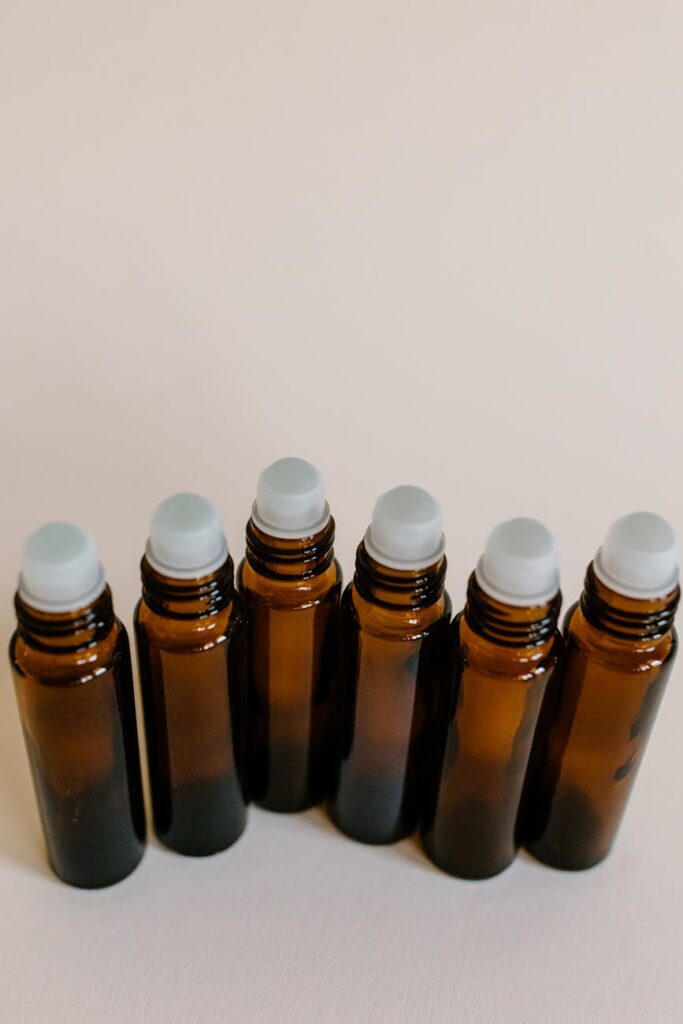
Is Meditation Blends Safe? Uses, Benefits and Precautions
Introduction
The practice of meditation has gained immense popularity in recent years, with individuals seeking ways to enhance their mindfulness and emotional well-being. One effective way to deepen this practice is through the use of essential oils and aromatherapy. Meditation blends, which combine various essential oils, can create an environment conducive to relaxation and introspection. This article aims to provide a comprehensive overview of meditation blends, exploring their uses, benefits, applications, safety considerations, and storage guidelines.
What Is Meditation Blends?
Meditation blends are combinations of essential oils specifically curated to promote a tranquil and meditative atmosphere. These blends may incorporate a variety of essential oils, each selected for its unique aromatic properties and psychological effects. Common ingredients can include lavender, frankincense, sandalwood, and bergamot, among others. These oils work synergistically to enhance the meditative experience, helping individuals achieve a state of relaxation and focus.
Key Benefits and Properties
The benefits of using meditation blends are multifaceted and can greatly enhance the meditative experience. Some key properties include:
1. Promotes Relaxation
Many essential oils have calming effects that can help reduce stress and anxiety. For instance, lavender oil is renowned for its soothing qualities, while chamomile can help to ease tension.
2. Enhances Focus and Clarity
Certain oils, such as peppermint and rosemary, are believed to enhance mental clarity and focus. These oils can help facilitate a deeper meditative state by reducing distractions.
3. Encourages Emotional Balance
Meditation blends can also aid in stabilizing emotions. Oils like bergamot and ylang-ylang are often used for their uplifting properties, promoting a sense of joy and emotional well-being.
4. Supports Spiritual Connection
Many practitioners use specific oils to foster a deeper spiritual connection during meditation. Frankincense, for example, has historical significance in spiritual practices and is often used to enhance feelings of devotion and introspection.
Common Uses
Meditation blends can be utilized in various ways, depending on personal preference and situational context. Some common uses include:
1. Diffusion
One of the most popular methods is through diffusion. Using an essential oil diffuser, individuals can disperse the aromatic compounds into the air, creating a serene environment for meditation.
2. Topical Application
Meditation blends can also be applied topically. Diluting essential oils in a carrier oil allows for safe application on pulse points, enhancing the sensory experience during meditation.
3. Bathing Rituals
Adding a few drops of a meditation blend to bathwater can create a calming atmosphere for relaxation and self-reflection. This method combines the benefits of aromatherapy with the soothing effects of warm water.
4. Inhalation
Inhaling meditation blends directly from the bottle or through a personal inhaler can provide immediate access to their calming properties, making it a convenient option for on-the-go relaxation.
Aromatherapy Applications
The application of meditation blends in aromatherapy can vary based on individual needs and preferences. Below are some ways to effectively use these blends:
1. Meditation Practice
Integrating meditation blends into a regular meditation practice can enhance focus and relaxation. Before starting a session, diffusing the blend or applying it topically can create an inviting atmosphere.
2. Mindfulness Exercises
Using meditation blends during mindfulness exercises, such as yoga or deep breathing techniques, can deepen the experience and promote a stronger connection between mind and body.
3. Stress Relief
In moments of high stress, inhaling or diffusing a meditation blend can provide immediate relief, helping to ground individuals and restore a sense of calm.
4. Sleep Preparation
Using meditation blends in the evening can aid in preparing for sleep. Diffusing calming oils like lavender can create a serene bedroom environment conducive to relaxation.
Safety Considerations
While meditation blends can offer numerous benefits, it is crucial to exercise caution and follow safety guidelines when using essential oils. Here are some key safety considerations:
1. Dilution
Essential oils are potent and should always be diluted with a carrier oil before topical application. This minimizes the risk of skin irritation or sensitization.
2. Patch Testing
Before using a new blend, conduct a patch test to check for any allergic reactions or sensitivities. Apply a small amount of the diluted oil to a discreet area of skin and monitor for any adverse reactions.
3. Quality of Oils
Not all essential oils are created equal. It is essential to choose high-quality, pure essential oils from reputable sources to ensure safety and effectiveness.
4. Pregnancy and Medical Conditions
Certain essential oils may not be safe for use during pregnancy or in individuals with specific medical conditions. It is advisable to consult a qualified aromatherapist or healthcare provider in such cases.
5. Children and Pets
When using essential oils around children or pets, additional caution is necessary. Some oils can be toxic to animals, and children’s skin is more sensitive. Always research the safety of specific oils before use.
Storage and Shelf Life
Proper storage of meditation blends is essential to maintain their potency and effectiveness. Here are some guidelines:
1. Cool, Dark Environment
Store essential oils in a cool, dark place away from direct sunlight. Exposure to light and heat can degrade the quality of the oils over time.
2. Tightly Sealed Containers
Ensure that the bottles are tightly sealed when not in use to prevent oxidation and evaporation of the oils.
3. Shelf Life
Most essential oils have a shelf life of 1 to 3 years, depending on the type of oil and storage conditions. Regularly check for changes in aroma, color, or consistency, which may indicate that the oil has expired.
Frequently Asked Questions
1. Can I create my own meditation blend?
Yes, you can create your own meditation blend by combining essential oils that resonate with you. Start with a base oil, such as lavender or frankincense, and experiment with different combinations to find the blend that best supports your meditation practice.
2. How many oils can I combine in a blend?
Typically, 2 to 5 essential oils is a good range for a blend. This allows for a harmonious mix without overwhelming the senses.
3. Can meditation blends be used for purposes other than meditation?
Absolutely! While meditation blends are designed to enhance mindfulness practices, they can also be used for relaxation, stress relief, and creating a calming atmosphere in your home or workspace.
4. Is it safe to use essential oils in a humidifier?
Some humidifiers are designed to accommodate essential oils, but many are not. Always check the manufacturer’s guidelines before adding oils to a humidifier to avoid damaging the device.
5. Are meditation blends suitable for everyone?
While meditation blends can be beneficial for many, individual sensitivities and allergies vary. It is advisable to do thorough research and consult with healthcare professionals if you have specific concerns.
Conclusion
Meditation blends offer a unique way to enhance the practice of meditation, providing various benefits from relaxation to emotional balance. By understanding their uses, benefits, and safety considerations, individuals can safely incorporate these aromatic tools into their mindfulness routines. Whether through diffusion, topical application, or other methods, meditation blends can serve as a valuable ally in the journey toward greater peace and self-awareness.