
Is Moringa Seed Oil Extract Safe? Uses, Benefits, and Precautions
Introduction
Moringa, often referred to as the “drumstick tree,” is a plant native to India and other regions of South Asia. Its seeds, leaves, and pods have been utilized for centuries in traditional medicine and culinary practices. Moringa seed oil extract has garnered attention in recent years for its potential benefits in skincare, cooking, and aromatherapy. However, it is essential to understand its properties, uses, and safety considerations before incorporating it into your routine.
What Is Moringa Seed Oil Extract?
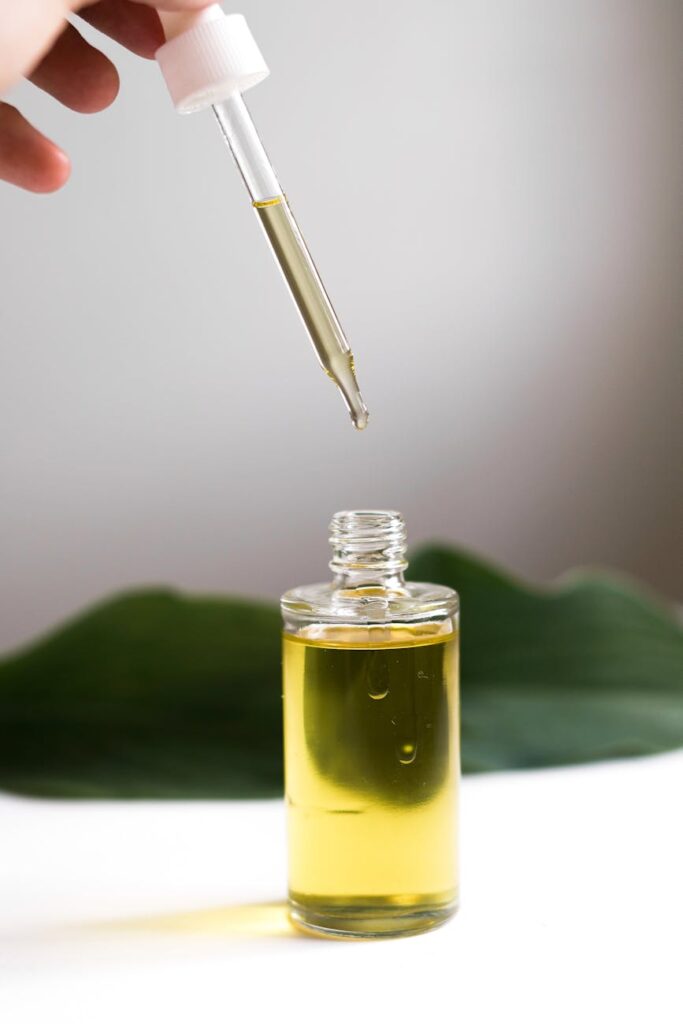
Moringa seed oil is extracted from the seeds of the Moringa oleifera tree. This oil is known for its light texture, pale yellow color, and mild flavor. The extraction process typically involves cold-pressing the seeds, which preserves the oil’s beneficial nutrients. Moringa seed oil is rich in oleic acid, antioxidants, vitamins, and essential fatty acids, making it an appealing choice for various applications.
Key Benefits and Properties
Moringa seed oil boasts several beneficial properties:
1. Nutrient-Rich: The oil is packed with vitamins A, C, and E, all of which play vital roles in skin health and overall well-being. These vitamins contribute to improved skin tone, reduced signs of aging, and enhanced moisture retention.
2. Antioxidant Properties: Moringa seed oil contains powerful antioxidants that help combat oxidative stress. This property is crucial for maintaining healthy skin and may reduce inflammation.
3. Anti-Inflammatory: The oil has been recognized for its anti-inflammatory properties, which can help soothe irritated skin and reduce redness.
4. Moisturizing: Moringa seed oil is an excellent moisturizer due to its high content of oleic acid. This makes it ideal for dry or sensitive skin types, providing hydration without clogging pores.
5. Non-Comedogenic: Unlike some oils, moringa seed oil is non-comedogenic, meaning it does not block pores. This property is beneficial for individuals prone to acne.
Common Uses
Moringa seed oil extract is versatile and can be utilized in various ways:
1. Skincare: It is widely used in skincare products, including lotions, serums, and creams. The oil’s moisturizing and anti-inflammatory properties make it suitable for all skin types.
2. Hair Care: Moringa seed oil can be used as a hair conditioner to promote shine and hydration. It may help reduce frizz and strengthen hair strands.
3. Cooking: The oil has a mild flavor and can be used in culinary applications. It is stable at high temperatures, making it suitable for frying and sautéing.
4. Massage Oil: Due to its light texture, moringa seed oil is often used as a carrier oil for essential oils in massage therapy.
5. Cosmetic Formulations: It is increasingly found in makeup products, such as foundations and lip balms, due to its moisturizing properties.
Aromatherapy Applications
Aromatherapy utilizes essential oils for therapeutic purposes, and while moringa seed oil is not an essential oil, it can be combined with essential oils to enhance their effects:
1. Carrier Oil: Moringa seed oil is an excellent carrier oil, meaning it can dilute essential oils before topical application. This is especially important for potent oils that may cause skin irritation when used undiluted.
2. Relaxation: When combined with calming essential oils like lavender or chamomile, moringa seed oil can be used in massage to promote relaxation and relieve tension.
3. Skin Nourishment: In aromatherapy blends targeting skin health, moringa seed oil complements essential oils like tea tree and geranium, providing hydration and nourishment.
Safety Considerations
While moringa seed oil is generally considered safe for topical and culinary use, certain precautions should be observed:
1. Allergic Reactions: Individuals with allergies to plants in the Moringaceae family should conduct a patch test before using the oil. Discontinue use if any irritation occurs.
2. Pregnancy and Nursing: Although moringa is often deemed safe, pregnant or nursing individuals should consult a healthcare professional before using moringa seed oil extract.
3. Dosage in Cooking: When using moringa seed oil in culinary applications, moderation is key. Overconsumption can lead to digestive discomfort.
4. Storage and Expiration: As with any oil, proper storage is crucial. Moringa seed oil should be kept in a cool, dark place to prevent oxidation.
Storage and Shelf Life
To maximize the shelf life and effectiveness of moringa seed oil:
1. Storage Conditions: Store the oil in a cool, dark place, such as a pantry or refrigerator, away from direct sunlight and heat sources.
2. Container: Use an airtight, opaque container to protect the oil from light and air exposure, which can degrade its quality.
3. Shelf Life: Typically, moringa seed oil has a shelf life of about 1 to 2 years if stored properly. Always check for any changes in smell or appearance before use.
Frequently Asked Questions
1. Can moringa seed oil help with acne?
Moringa seed oil is non-comedogenic, meaning it does not clog pores. Its anti-inflammatory properties may help reduce redness and irritation associated with acne.
2. Is it safe to ingest moringa seed oil?
While moringa seed oil can be used in cooking, moderation is essential. Overconsumption may lead to digestive discomfort. Consult a healthcare professional for personalized advice.
3. How can I incorporate moringa seed oil into my skincare routine?
You can apply moringa seed oil directly to your skin as a moisturizer or mix it with essential oils for added benefits. It can also be added to lotions or creams for enhanced hydration.
4. Can I use moringa seed oil on my hair?
Yes, moringa seed oil can be used as a hair conditioner or treatment. Apply it to the hair and scalp to promote hydration and shine.
5. How do I know if I have an allergy to moringa seed oil?
If you suspect an allergy, conduct a patch test by applying a small amount of the oil to a discreet area of skin. Monitor for any irritation or allergic reactions over 24 hours.
Conclusion
Moringa seed oil extract presents a myriad of benefits, from skincare and hair care to culinary uses. Its rich nutrient profile and versatile applications make it a valuable addition to many routines. However, as with any natural product, understanding its properties, uses, and safety precautions is essential. By adhering to these guidelines, you can enjoy the benefits of moringa seed oil while minimizing any potential risks.