
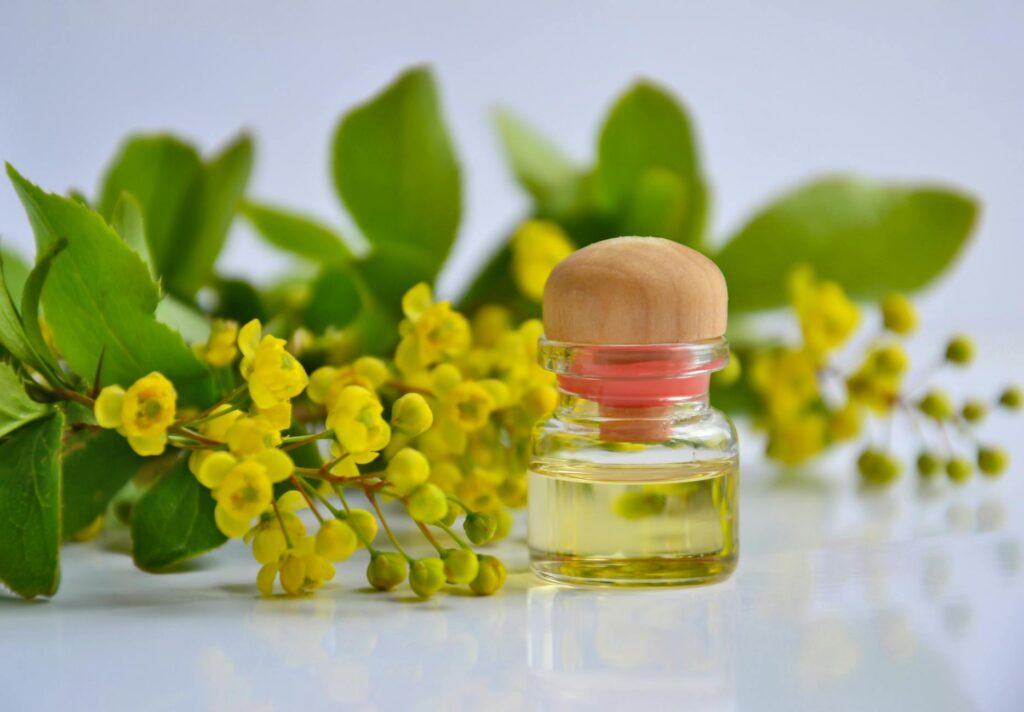
Is Mugwort Extract Safe? Uses, Benefits and Precautions
Introduction
Mugwort, known scientifically as Artemisia vulgaris, is a perennial herb belonging to the Asteraceae family. Commonly found across Europe, Asia, and North America, this versatile plant has been utilized for centuries in various cultural practices, particularly in herbal medicine and aromatherapy. As interest in natural remedies continues to grow, many individuals are exploring the potential benefits of mugwort extract. However, questions about its safety and practical applications are essential to consider. This article aims to provide a comprehensive overview of mugwort extract, its uses, benefits, and safety precautions.
What Is Mugwort Extract?
Mugwort extract is derived from the leaves and flowering tops of the mugwort plant. The extraction process typically involves using solvents like alcohol or water to create an infusion or tincture that captures the plant’s volatile compounds. These compounds include essential oils, flavonoids, and other phytochemicals, which contribute to the herb’s unique properties and potential benefits. Traditionally, mugwort has been prized for its aromatic qualities and medicinal attributes, used in a range of practices from cooking to herbal remedies.
Key Benefits and Properties
Mugwort extract is celebrated for its diverse range of properties, which include:
1. Antioxidant Properties: The extract is rich in antioxidants, which can help neutralize free radicals and reduce oxidative stress in the body.
2. Digestive Aid: Historically, mugwort has been used to stimulate appetite and alleviate digestive issues such as bloating and gas.
3. Anti-inflammatory Effects: Some research suggests that mugwort may possess anti-inflammatory properties, potentially aiding in the relief of discomfort and swelling.
4. Relaxation and Stress Relief: The calming aroma of mugwort is often associated with relaxation, making it a popular choice in aromatherapy practices.
5. Dream Enhancement: In various cultures, mugwort is believed to enhance dreams and promote lucid dreaming, leading to its use in pillow sachets and teas.
Common Uses
Mugwort extract can be utilized in several ways, including:
- Herbal Tea: Infusing dried mugwort leaves in hot water creates a herbal tea often consumed for its potential digestive benefits and calming effects.
- Tinctures: Alcohol-based tinctures of mugwort extract are popular in herbal medicine, allowing for convenient dosing and extended shelf life.
- Pillow Sachets: Dried mugwort leaves are often placed in sachets and tucked under pillows to promote vivid dreaming and restful sleep.
- Culinary Uses: In certain cultures, mugwort is used as a culinary herb in dishes such as dumplings and soups for its distinctive flavor.
- Diffusion: When diluted and added to a diffuser, mugwort oil can create a calming atmosphere that may help reduce stress and anxiety levels.
- Massage Blends: Mugwort extract can be blended with carrier oils for use in massage, potentially enhancing relaxation during the experience.
- Bath Soaks: Adding a few drops of mugwort essential oil to bathwater can create a soothing and aromatic bathing experience.
- Inhalation: The extract can be inhaled directly from the bottle or used in steam inhalation for its potential calming effects.
- Cool, Dark Place: Store mugwort extract in a cool, dark location, away from direct sunlight and heat sources, to preserve its potency.
- Airtight Containers: Use airtight containers to prevent exposure to air and moisture, which can degrade the extract over time.
- Expiration Date: Check for any expiration dates on commercial preparations and adhere to them. Homemade extracts may have a shorter shelf life and should be used within a few months.
Aromatherapy Applications
In the realm of aromatherapy, mugwort extract is valued for its unique scent profile, which offers both grounding and uplifting qualities. Here are some common applications:
Safety Considerations
While mugwort extract has many potential benefits, it is vital to exercise caution when using it. Some important safety considerations include:
1. Allergic Reactions: Individuals with allergies to plants in the Asteraceae family, such as ragweed or chrysanthemums, may also be sensitive to mugwort. It is advisable to conduct a patch test before widespread use.
2. Pregnancy and Breastfeeding: Mugwort is traditionally considered unsafe during pregnancy, as it may stimulate uterine contractions. Pregnant and breastfeeding individuals should avoid using mugwort extract.
3. Drug Interactions: Mugwort may interact with certain medications, including those that affect the liver enzymes responsible for drug metabolism. Individuals taking medication should consult a healthcare professional before using mugwort extract.
4. Dosage and Concentration: The concentration of mugwort extract can vary greatly depending on the preparation method. It is essential to follow recommended dosages and not exceed them.
5. Children: Due to the potential for adverse effects, it is generally recommended that mugwort extract not be used in children without professional guidance.
Storage and Shelf Life
To maintain the quality of mugwort extract, proper storage is essential. Here are some tips:
Frequently Asked Questions
Is mugwort extract safe for everyone?
While mugwort extract is considered safe for many, individuals with allergies to related plants, pregnant women, and those taking specific medications should exercise caution. Always consult a healthcare professional if unsure.
Can mugwort extract be used in cooking?
Yes, mugwort can be used as a culinary herb in various dishes. However, it should be used in moderation due to its potent flavor.
How do I use mugwort extract for aromatherapy?
Mugwort extract can be diffused, added to massage oils, or included in bath soaks. Always dilute it appropriately before application.
What is the best way to prepare mugwort tea?
To prepare mugwort tea, steep 1-2 teaspoons of dried mugwort leaves in hot water for approximately 5-10 minutes, then strain and enjoy.
Can mugwort enhance dreams?
Many cultures believe that mugwort can enhance dreams and promote lucid dreaming. It is often used in pillow sachets or teas for this purpose.
How long does mugwort extract last?
When stored properly in a cool, dark place and in an airtight container, mugwort extract can last several months to a few years, depending on the preparation method.
Conclusion
Mugwort extract is a multifaceted herbal remedy with a rich history of use in various cultural practices. Its potential benefits extend from digestive aid to relaxation and dream enhancement. However, safety considerations are paramount, and individuals should approach its use with caution. By understanding its properties, uses, and necessary precautions, one can explore the world of mugwort extract responsibly and effectively. As with any herbal product, informed use is essential to harness its potential benefits safely.